


 +38 068 277 99 23



For normal, healthy functioning, the human body requires vitamins, fatty acids, and minerals, each of which plays an essential role in various metabolic processes. One of the most important minerals for maintaining overall health is magnesium. It supports the central nervous system and brain, regulates heart muscle contraction, and participates in hundreds of biochemical reactions. In other words, the value of this mineral for human health is difficult to overestimate.
A magnesium deficiency can lead to poor well-being, problems with memory and concentration, irritability, insomnia, and many other unpleasant symptoms.
Benefits of magnesium for the body
Magnesium can be considered a natural «enzyme activator» in the human body. Its functions include:
- Transporting calcium and potassium ions across cell membranes (important for strong bones and cartilage);
- Supporting protein synthesis that helps stabilize blood glucose levels (especially vital for people with diabetes);
- Maintaining optimal energy production (preventing fatigue and low vitality);
- Enhancing the production of sex hormones (which helps balance hormone levels, stabilize the menstrual cycle, reduce PMS symptoms in women, and improve libido and sperm quality in men);
Magnesium also acts as an antagonist of cortisol, the stress hormone. Under emotional stress or intense mental workload, the body uses magnesium much faster, which often leads to deficiency.
An average adult body contains about 25 g of magnesium, most of which is stored in the bones and soft tissues. A normal blood magnesium level is 0.75–0.95 mmol/L. Anything lower indicates hypomagnesemia.
To prevent magnesium deficiency, it is essential to follow a balanced diet rich in magnesium-rich foods.
Foods to eat for magnesium deficiency
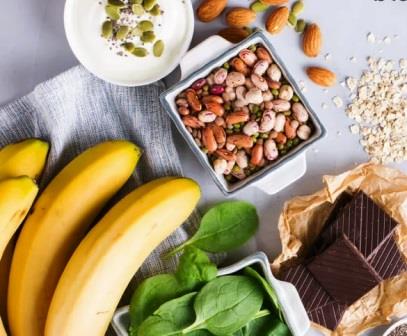
The top foods high in magnesium include:
- Avocado – 30 mg per 100 g;
- Pumpkin seeds – 534 mg per 100 g;
- Pumpkin seed oil – up to 40 mg per 100 g;
- Fresh spinach – 80 mg per 100 g;
- Soy and other legumes – up to 70 mg per 100 g;
- Peanuts – 168 mg per 100 g;
- Cashews – 200 mg per 100 g;
- Sweet almonds – 260 mg per 100 g;
- Hazelnuts – 315 mg per 100 g;
Daily magnesium requirements: men about 400 mg, women up to 320 mg, pregnant women to 360 mg and breastfeeding women up to 390 mg
To ensure a balanced diet that meets your body’s needs, it is best to alternate magnesium-rich foods, consuming each of them every few days. This keeps your nutrition varied, tasty, and maximally beneficial.
Healthy CraftOil products — the basis of proper nutrition when magnesium is low
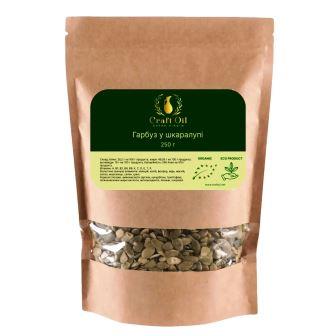
CraftOil offers a regularly updated selection of healthy, delicious plant-based magnesium sources: oils, grains, nuts, seeds, and various types of flour. On our website, you can order organic, certified soybeans, pumpkin seeds (hulled and unhulled), cashews, raw peanuts, sweet almonds, hazelnuts, and pumpkin seed oil, cold-pressed on our own equipment.
Our catalog also includes pumpkin flour, almond flour, and other products whose nutritional value is hard to overestimate.
We guarantee 100% natural, premium-quality products and ship throughout Ukraine and Europe on the same day the order is placed. For more information, contact our managers or submit a request on our website.


