


 +38 068 277 99 23


Craft Oil is delicious and healthy high-quality cold-pressed oils created with love and care.
[...]

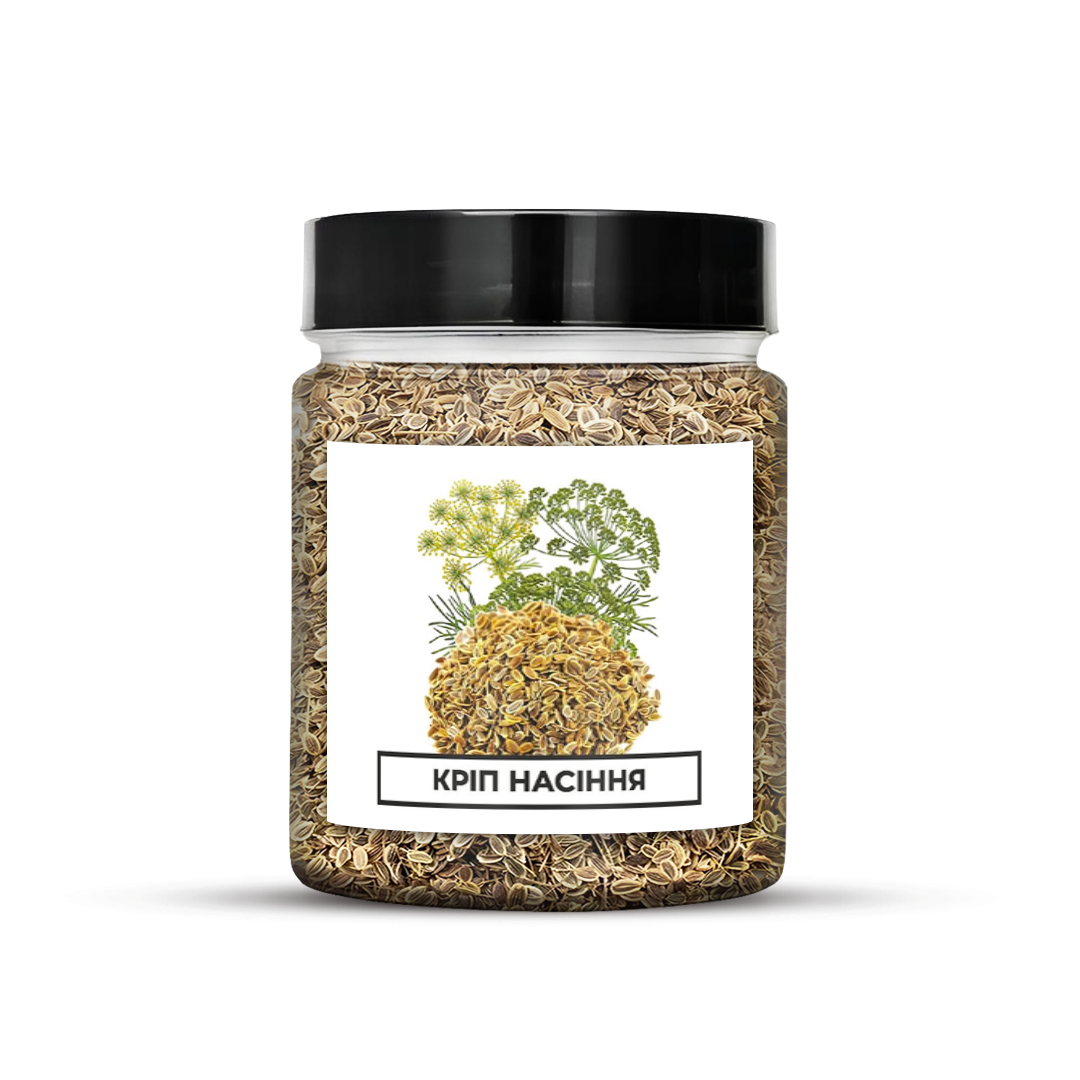
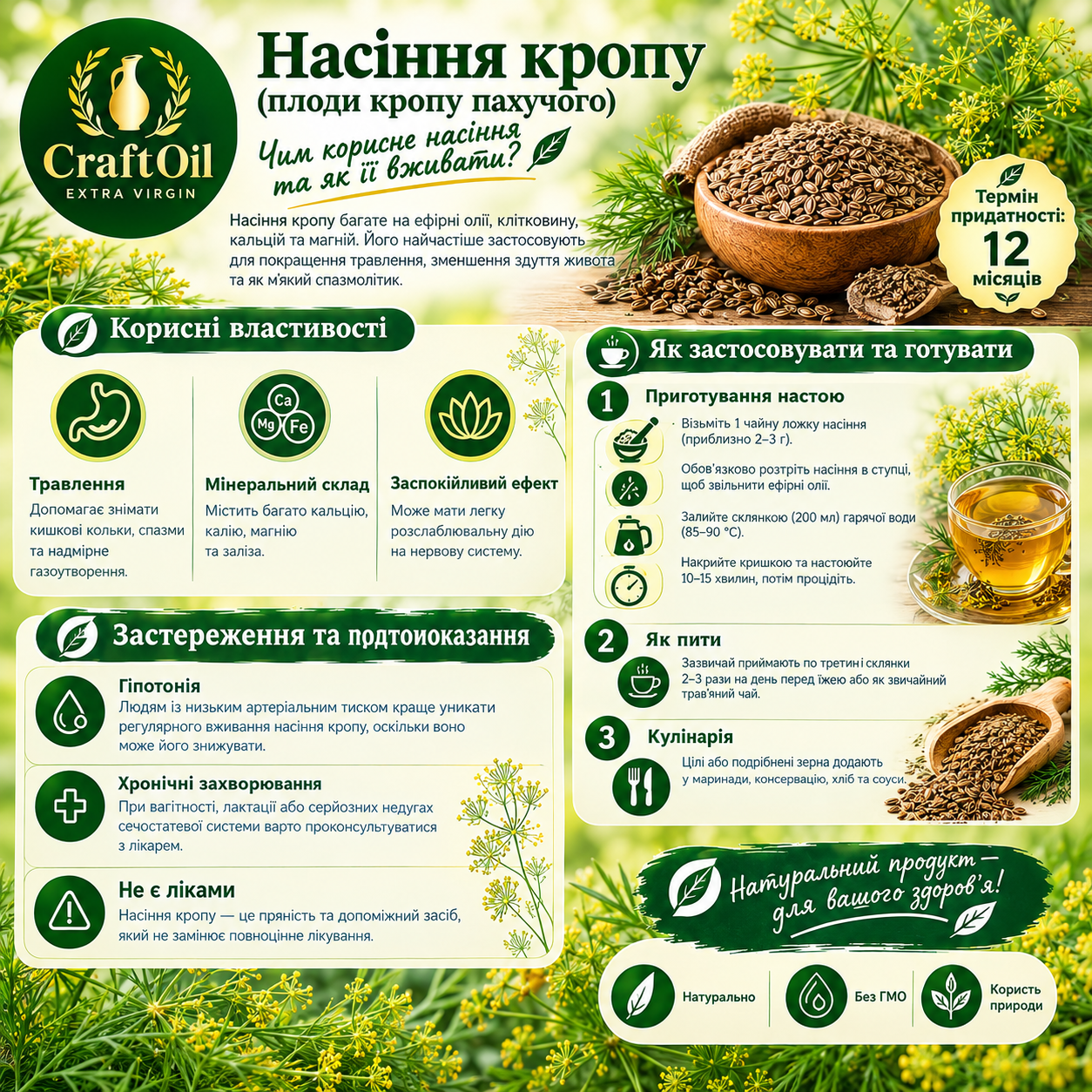
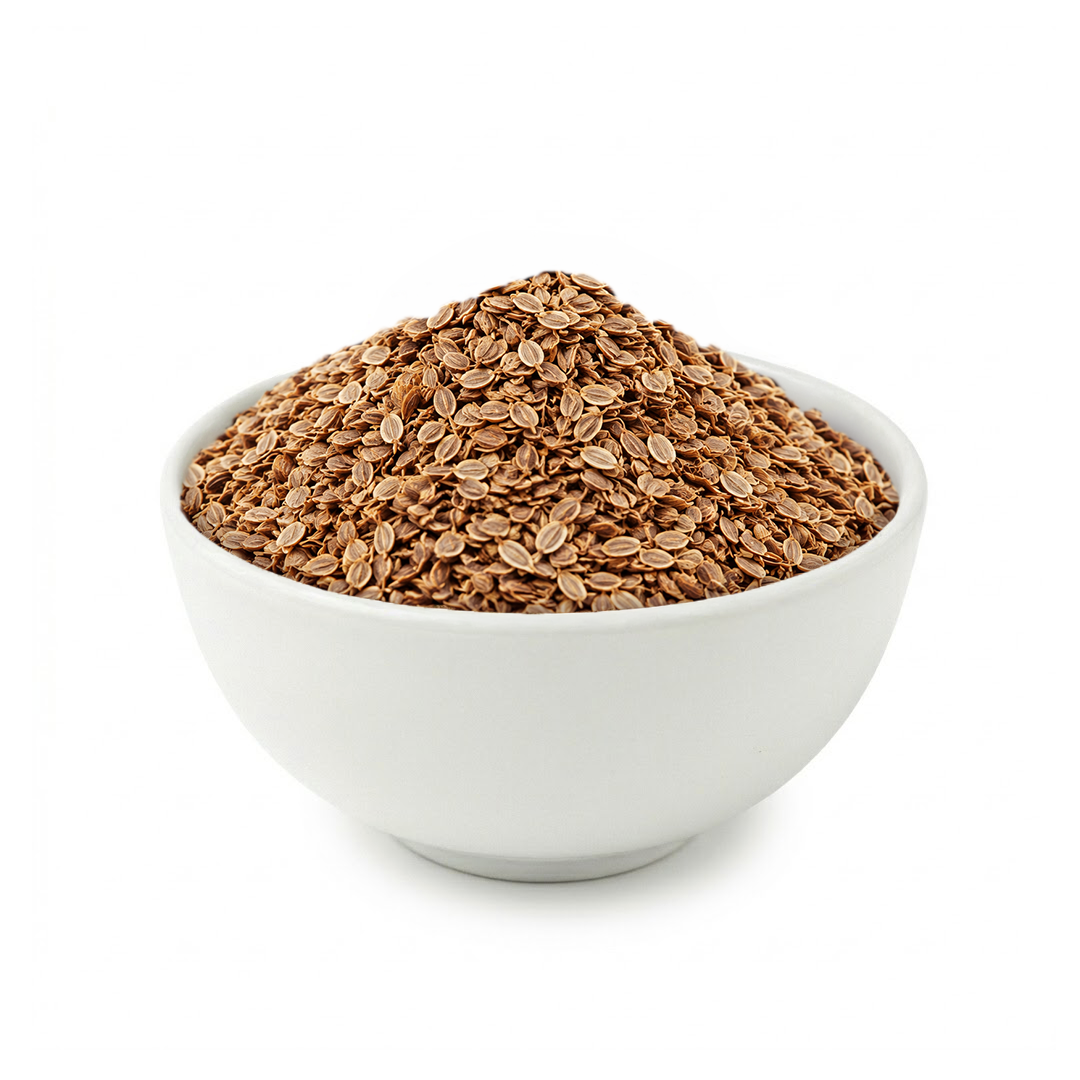
Whole dill seeds 90 g
2,00 €
90гр
In stock
Delivery
- Delivery time: 1 to 3 business days, depending on the region..
- Delivery methods:
Nova Poshta
- To a Nova Poshta branch
- Courier delivery to the address
Ukrposhta
- To a Ukrposhta branch
- Courier delivery to the address
- Cost: according to the carrier's rates.
Self-pickup from the company CraftOil
How self-pickup works:
- Self-pickup is available from the CraftOil warehouse or office at the following address: 21 Kosmicheskaya St., Kharkiv.
- The warehouse/office address is confirmed individually when placing the order.
- For certain products, pickup from third-party partner warehouses can be arranged (subject to agreement).
FREE DELIVERY ACROSS UKRAINE
Order 2,500 UAH or more and get free delivery!
The offer applies to the order:
- cold-pressed oil;
- flour;
- spices.
Payment methods:
-
«Nova Poshta Cash on Delivery».
Payment for the goods upon receipt at the transport company's branch.
Nova Poshta's cash-on-delivery fee is 2% of the COD amount plus 20 UAH.
-
«Ukrposhta Cash on Delivery».
Payment for the goods upon receipt at the transport company's branch.
-
«To the bank account, using the payment details».
Payment details:
Recipient's account in IBAN format:
UA233510050000026007878953477
Recipient code, EDRPOU: 2899116355
Mamaev Oleksiy Sergeyovich
- «Payment by Visa or Mastercard – on the website».
Description
Whole dill seeds 90 g
Whole dried dill seeds · 200 ml glass jar · Packing date on the label
CraftOil whole dill seeds
CraftOil whole dill seeds (Anethum graveolens) are a versatile culinary spice with a distinctive warm, herbal aroma, subtle anise-like notes and a gentle bitterness.
Dill seeds are widely used in traditional pickling recipes and work beautifully in marinades, homemade bread, fish dishes, potatoes, soups, sauces and seasoning blends. Their flavour is more concentrated and different from that of fresh dill leaves, making them especially useful when a recipe calls for a deeper, seed-based aroma.
Our dill seeds are packed in a 200 ml glass jar containing 90 g of product. The packing date is shown on the label.
Why 90 g in a 200 ml Jar?
Whole dill seeds are relatively lightweight and have a low bulk density. This means that a 200 ml jar can hold approximately 90 g of seeds while appearing full.
The jar is designed for convenient kitchen storage. A tightly closed container helps protect the spice from moisture, external odours and unnecessary exposure to air.
For the best flavour, keep the jar closed between uses and store it away from direct sunlight, heat and moisture.
Dill Seeds, Caraway, Cumin or Fennel: What Is the Difference?
These four spices come from the Apiaceae family and can look similar, but their flavours and culinary uses differ.
|
Spice |
Botanical name |
Flavour profile |
Common uses |
|
Dill seeds |
Anethum graveolens |
Herbal, warm, slightly anise-like |
Pickling, marinades, fish, bread |
|
Caraway seeds |
Carum carvi |
Warm, earthy, slightly peppery |
Rye bread, cabbage, cheese |
|
Cumin seeds |
Cuminum cyminum |
Earthy, warm and intense |
Curries, rice dishes, Middle Eastern and South Asian cooking |
|
Fennel seeds |
Foeniculum vulgare |
Sweet, pronounced anise-like flavour |
Baking, fish, spice blends and selected infusions |
The word “cumin” refers to a different spice from caraway. If a recipe simply says “cumin” or “caraway,” check the original recipe and its cuisine before substituting one for another.
Aroma and Natural Composition
Dill seeds contain naturally occurring aromatic compounds that contribute to their characteristic flavour. Carvone and limonene are among the compounds reported in dill seed essential oil; their proportions vary according to the plant variety, growing conditions, origin and storage.
Dill seeds also contain dietary fibre, plant oil and naturally occurring minerals. Exact nutritional values depend on the raw material and should be taken from a reliable product-specific nutritional analysis when required for labelling.
The aromatic profile is one of the main reasons whole dill seeds are used in pickling and cooking. Whole seeds retain their characteristic aroma until crushed or ground, while freshly ground seeds release their flavour more quickly.
How to Use Dill Seeds in Cooking
Whole dill seeds are a practical ingredient for everyday cooking and traditional preserving.
Pickled Cucumbers and Tomatoes
Add dill seeds to homemade pickle brines with garlic and other herbs or spices. Adjust the amount to suit the recipe and the desired intensity of flavour.
Sauerkraut and Fermented Vegetables
Dill seeds can be combined with cabbage, carrots and other seasonings when preparing sauerkraut or other vegetable ferments. Use the quantity recommended by your recipe.
Bread and Baking
Add whole or lightly crushed dill seeds to rye bread, savoury rolls, flatbreads and other baked goods. They pair well with seeds, herbs and robust flour flavours.
Fish and Marinades
Use dill seeds in marinades, seasoning mixes or cooking liquids for fish. They can be combined with lemon, black pepper, mustard seeds and other complementary ingredients.
Potatoes and Vegetables
Sprinkle a small amount of crushed dill seeds over cooked potatoes or add them to cabbage, pumpkin and other vegetable dishes.
Soups, Sauces and Homemade Cheese
Dill seeds can be used in soups, creamy sauces, yoghurt-based dressings and homemade cheese recipes. Start with a small amount and adjust to taste.
Homemade Spice Blends
Combine dill seeds with mustard seeds, coriander, black pepper or other spices to create a blend for pickling, roasted vegetables and savoury dishes.
Cooking tip: Briefly warming whole seeds in a dry pan may help release their aroma. Use low to medium heat, stir continuously and remove them before they darken or burn. This step is optional; you can also use the seeds whole or crush them just before adding them to a dish.
Dill Seeds for Oil Pressing
Dill seeds can also be used as raw material for producing dill seed oil. CraftOil produces dill seed oil from selected seeds using its oil-pressing equipment.
If you are interested in the oil rather than the whole spice, see the separate CraftOil dill seed oil product page for its intended use, specifications and availability.
Please note that food-grade dill seeds are sold as a culinary spice, not as certified planting seed. Germination and suitability for sowing are not guaranteed.
What About the Traditional Benefits of Dill Seeds?
Dill has a long history of culinary use in different food cultures. However, traditional use does not establish that dill seeds can treat a medical condition.
Laboratory studies of concentrated essential oils should not be interpreted as proof that ordinary portions of whole dill seeds have the same effects in the human body.
CraftOil presents dill seeds as a food ingredient and seasoning, not as a medicine. We do not claim that they treat digestive disorders, reduce blood pressure or cure other health conditions.
Dill Water and Infants
The expression “dill water” is used for different preparations, and some products marketed under this name are made with fennel rather than dill. These products should not be assumed to be interchangeable.
Do not prepare or give herbal seed infusions to infants for colic without advice from a qualified healthcare professional. Consult a paediatrician about feeding concerns or persistent symptoms.
Who Should Take Care?
Dill seeds are a culinary spice, but individual circumstances matter.
-
Allergies: People who are allergic to dill or related plants should avoid the product if advised to do so. Cross-reactions between related plants are possible.
-
Pregnancy and breastfeeding: Normal culinary use differs from concentrated extracts and herbal preparations. Seek professional advice before using large amounts or concentrated preparations for a specific purpose.
-
Infants and young children: Do not use homemade seed infusions as a treatment for colic without professional guidance.
-
Medical conditions or dietary restrictions: Follow advice from your healthcare professional where relevant.
This information is general and is not a substitute for individual medical advice.
CraftOil Quality and Packaging
We focus on clear product information, careful handling and practical packaging.
-
Whole dried seeds: A versatile spice for pickling and everyday cooking.
-
Glass jar: Designed for convenient storage and to help protect the spice from moisture and external odours when properly closed.
-
Packing date on the label: Helps customers identify when the product was packed.
-
Batch checks: Product quality checks should be performed and documented according to the applicable quality-control procedures.
-
Clear product identity: The product is sold as dill seeds for culinary use.
CraftOil also presses oil from dill seeds. This connection to oil production gives us an additional reason to pay attention to the aroma and characteristics of the raw material.
How to Store Whole Dill Seeds
Keep dill seeds in a tightly closed jar in a cool, dry place, away from direct sunlight, moisture and strong external odours.
Whole seeds generally retain their aroma longer than ground seeds. For the most pronounced flavour, crush or grind only the amount needed for the recipe.
Check the best-before date on the label and avoid using the product if it shows signs of moisture damage, contamination or an unusual smell.
A useful freshness check is to rub a few seeds gently between your fingers. If the aroma is very faint, the spice may have lost some of its flavour.
Frequently Asked Questions
Why does a 200 ml jar contain 90 g of dill seeds?
Whole dill seeds have a relatively low bulk density. A 200 ml jar can therefore hold approximately 90 g while appearing full. The declared net weight is 90 g.
What are dill seeds used for?
Dill seeds are commonly used for pickling cucumbers and tomatoes, sauerkraut, marinades, bread, fish, potatoes, soups, sauces and homemade seasoning blends.
Are dill seeds the same as caraway seeds?
No. Dill is Anethum graveolens, while caraway is Carum carvi. They have different flavours and are used differently in cooking.
Are dill seeds the same as cumin?
No. Dill seeds, caraway seeds and cumin seeds come from different plants. Cumin is widely used in curries and many South Asian, Middle Eastern and Latin American dishes, while dill seeds are especially familiar in pickling and some European cuisines.
Should I toast dill seeds before using them?
Toasting is optional. Briefly warming the seeds in a dry pan may make their aroma more noticeable. Avoid overheating or burning them.
Can I grind dill seeds?
Yes. Whole seeds can be crushed or ground immediately before use. Grinding just before cooking helps preserve a more pronounced aroma.
Can dill seeds be used for planting?
This product is sold as a culinary spice, not certified planting seed. Germination and suitability for sowing are not guaranteed.
Can dill seeds be pressed to make oil?
Yes, dill seeds can be used to produce dill seed oil. CraftOil offers a separate product page for its dill seed oil; check that page for current product details and availability.
How should I store dill seeds?
Store them in a tightly closed jar in a cool, dry place away from sunlight and moisture. Keep the seeds whole until needed for the best flavour retention.
Buy Whole Dill Seeds from CraftOil
Choose CraftOil whole dried dill seeds for pickling cucumbers, homemade marinades, bread, fish and a wide range of savoury dishes.
Each jar contains 90 g of dill seeds in a 200 ml glass jar, with the packing date shown on the label.
Check current availability, payment options and delivery details on the CraftOil website.
CraftOil — carefully selected ingredients for everyday cooking.
Additional information
| Вага | 90гр |
|---|


Reviews
There are no reviews yet.