


 +38 068 277 99 23


Craft Oil is delicious and healthy high-quality cold-pressed oils created with love and care.
[...]

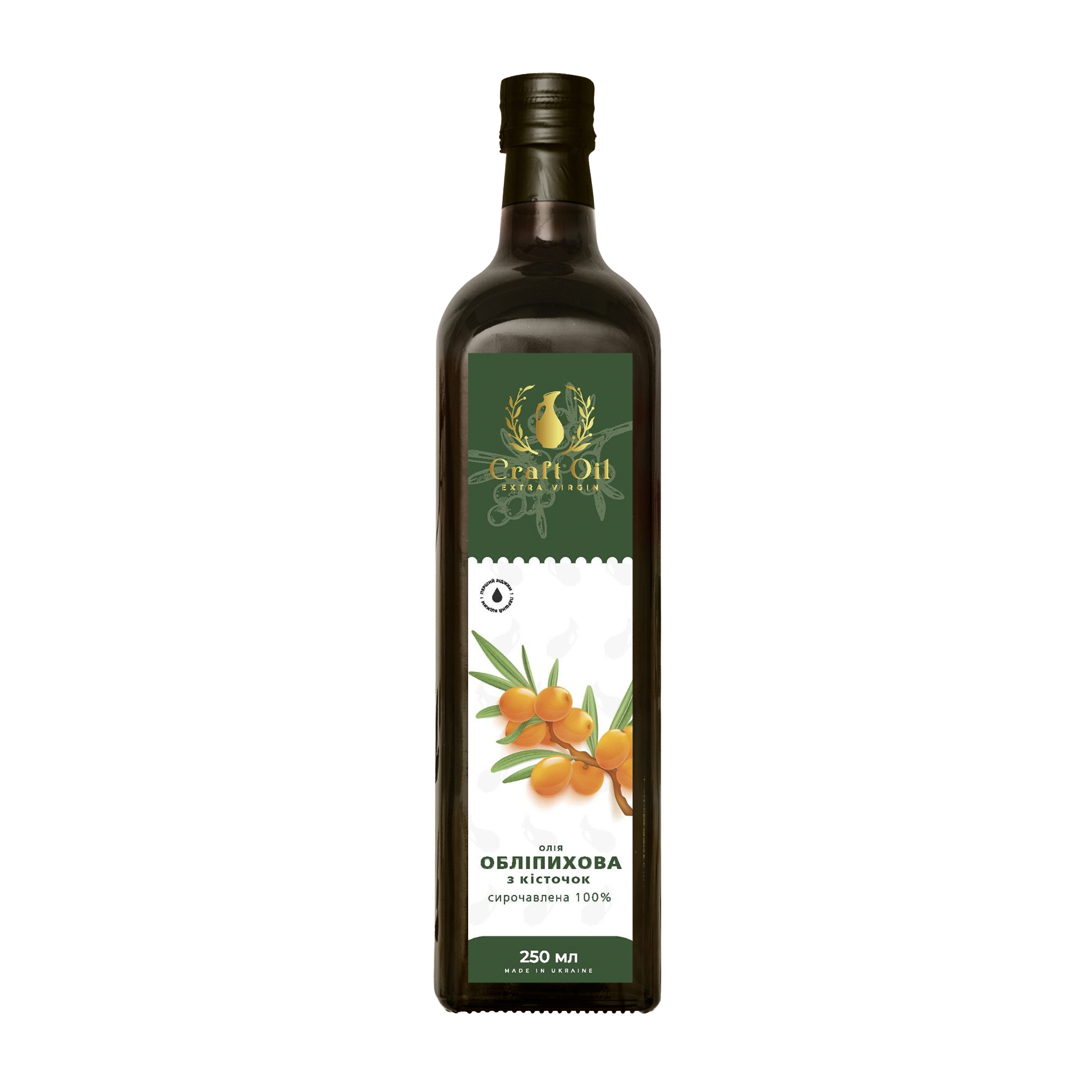
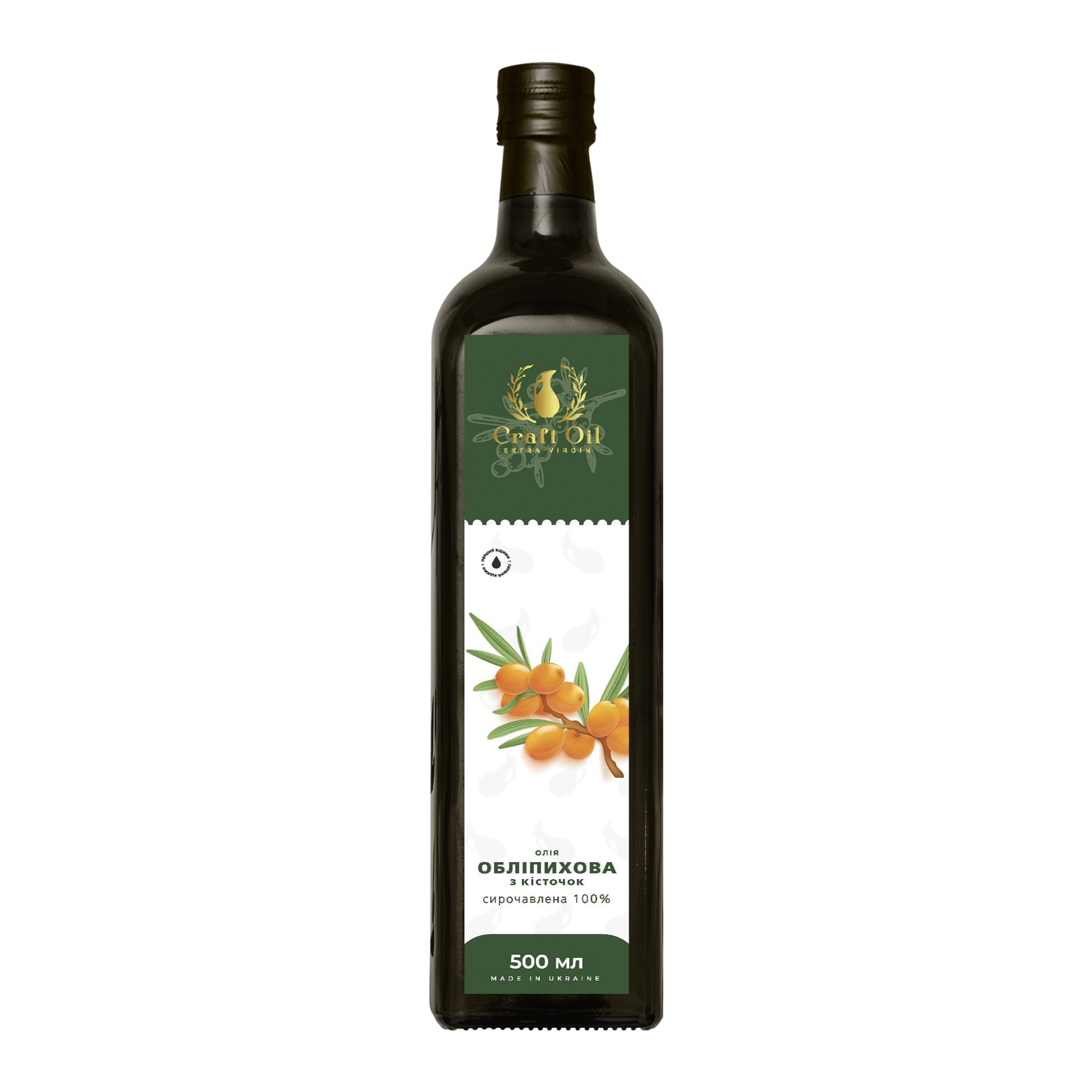
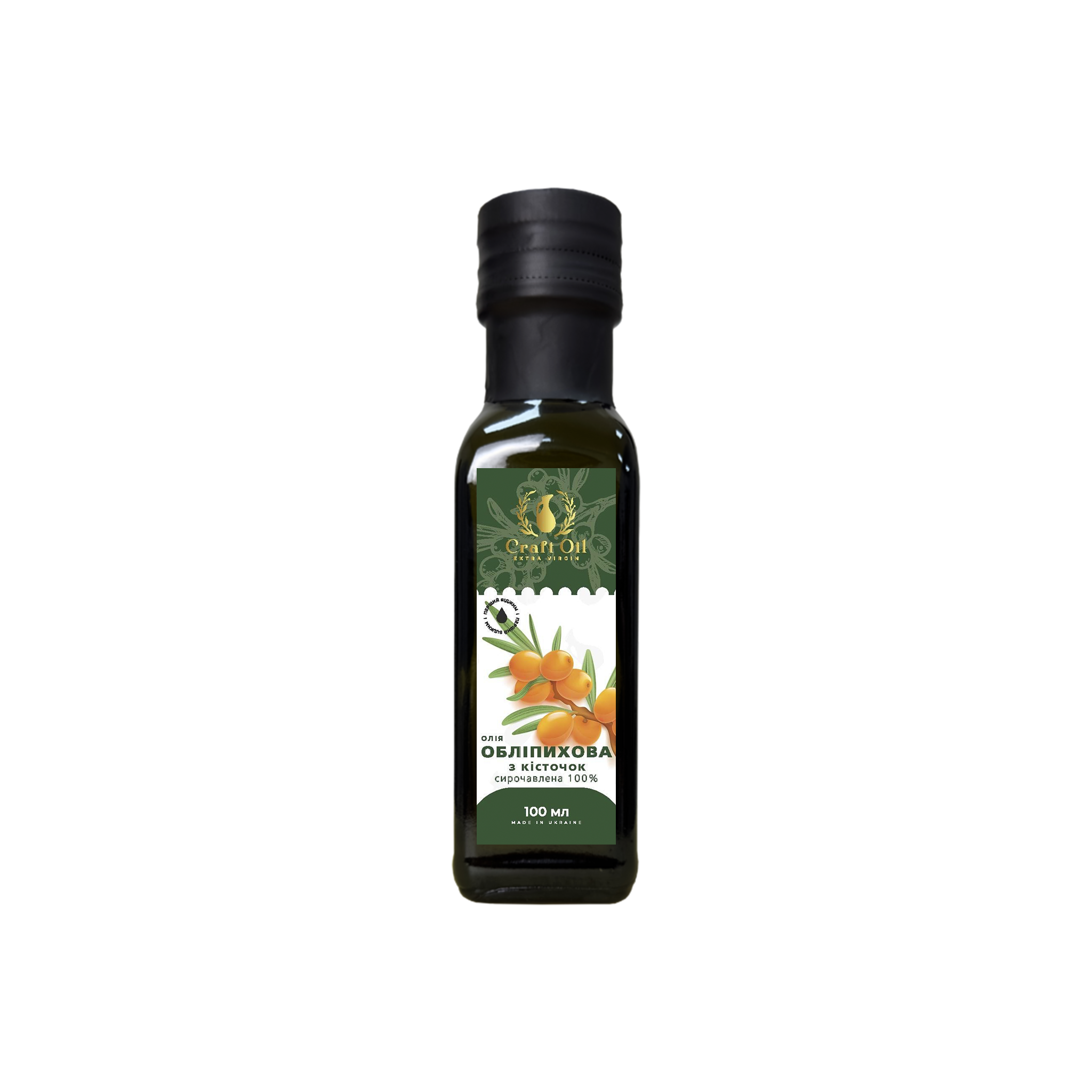
Cold-pressed sea buckthorn oil CraftOil
10,00 €
In stock
Delivery
- Delivery time: 1 to 3 business days, depending on the region..
- Delivery methods:
Nova Poshta
- To a Nova Poshta branch
- Courier delivery to the address
Ukrposhta
- To a Ukrposhta branch
- Courier delivery to the address
- Cost: according to the carrier's rates.
Self-pickup from the company CraftOil
How self-pickup works:
- Self-pickup is available from the CraftOil warehouse or office at the following address: 21 Kosmicheskaya St., Kharkiv.
- The warehouse/office address is confirmed individually when placing the order.
- For certain products, pickup from third-party partner warehouses can be arranged (subject to agreement).
FREE DELIVERY ACROSS UKRAINE
Order 2,500 UAH or more and get free delivery!
The offer applies to the order:
- cold-pressed oil;
- flour;
- spices.
Payment methods:
-
«Nova Poshta Cash on Delivery».
Payment for the goods upon receipt at the transport company's branch.
Nova Poshta's cash-on-delivery fee is 2% of the COD amount plus 20 UAH.
-
«Ukrposhta Cash on Delivery».
Payment for the goods upon receipt at the transport company's branch.
-
«To the bank account, using the payment details».
Payment details:
Recipient's account in IBAN format:
UA233510050000026007878953477
Recipient code, EDRPOU: 2899116355
Mamaev Oleksiy Sergeyovich
- «Payment by Visa or Mastercard – on the website».
Description
Cold-pressed sea buckthorn oil CraftOil
Cold-pressed oil · Dark glass bottle · Pressing date on the label
Sea buckthorn oil is a distinctive plant oil known for its rich orange colour, characteristic fruity aroma and unique flavour. Made from sea buckthorn (Hippophae rhamnoides L.), it is valued for its naturally occurring fatty acids and other plant compounds.
CraftOil sea buckthorn oil is available in three bottle sizes: 100 ml, 250 ml and 500 ml. Choose a smaller bottle to try the oil or a larger size for regular use.
Our production approach focuses on careful processing, product traceability and clear information about the raw material. We use hydraulic cold-pressing equipment, dark glass packaging and a label showing the pressing date, in accordance with the actual production process.
Important: Sea buckthorn pulp oil and sea buckthorn seed oil are different products. Their composition, colour, flavour and typical applications vary. Please check the product label to confirm which type you are purchasing.
Sea buckthorn oil: Composition and naturally occurring compounds
Sea buckthorn oil contains a combination of fatty acids and minor plant compounds. Their concentrations depend on whether the oil is made from the fruit pulp or seeds, as well as on the variety, growing conditions and extraction method.
|
Component |
Sea buckthorn pulp oil |
Sea buckthorn seed oil |
|
Palmitoleic acid (Omega-7) |
Often a prominent fatty acid |
Usually present in much smaller amounts |
|
Linoleic acid (Omega-6) |
Variable, generally lower than in seed oil |
Usually one of the main fatty acids |
|
Alpha-linolenic acid (Omega-3) |
Variable |
Often present in a notable proportion |
|
Carotenoids |
Typically higher |
Usually much lower |
|
Tocopherols (forms of vitamin E) |
May be present |
May be present |
|
Phytosterols |
Naturally occurring |
Naturally occurring |
These are general characteristics, not a certificate of analysis for an individual bottle. Actual values can vary significantly. For exact fatty-acid percentages, carotenoid content and vitamin E levels, refer to the laboratory report for the specific batch.
Why Is Omega-7 Associated with Sea Buckthorn Oil?
Omega-7 is a family of fatty acids that includes palmitoleic acid. Sea buckthorn pulp oil is one of the better-known plant sources of palmitoleic acid. The amount depends on the raw material and extraction method.
If Omega-7 content is a key reason for your purchase, check whether the product is made from the pulp rather than the seeds and look for a batch-specific fatty-acid analysis.
How to Use Sea Buckthorn Oil for Skincare
Sea buckthorn oil is used as an ingredient in personal-care routines and cosmetic formulations. Its rich colour and distinctive composition make it a specialised oil rather than a neutral, everyday facial oil.
-
For facial skincare: If the product is suitable for cosmetic use, follow the manufacturer’s directions. Consider blending a small amount with a compatible carrier oil or adding it to a professionally formulated product according to its instructions.
-
For dry areas: A small amount may be used on areas such as elbows, heels and cuticles if the product is intended for topical use.
-
For hair care: Follow the product’s directions and test a small area first.
Important: Sea Buckthorn Oil Can Stain
The orange colour of pulp oil comes largely from naturally occurring carotenoids. These pigments can stain towels, clothing, pillowcases and other fabrics. Applying too much oil may also temporarily tint the skin.
Use a small amount, protect fabrics and avoid contact with light-coloured materials.
Patch test: Before first use, apply a small amount of the product as directed to a limited area of skin. Stop using it if irritation occurs. Do not apply it to burns, open wounds or damaged skin unless a qualified healthcare professional advises you to do so.
How to Use Sea Buckthorn Oil in Food
Only use the oil as food if its label confirms that it is intended for culinary consumption.
Sea buckthorn oil has a distinctive, fruity and sometimes tart flavour. Depending on the type of oil, it can be used in small quantities to add colour and character to finished dishes.
Ideas for culinary use include:
-
Drizzling a small amount over prepared vegetables or salads.
-
Mixing it into a dressing or sauce.
-
Adding it to a prepared grain dish after cooking.
-
Blending a small quantity into another suitable edible oil to adjust its flavour.
Avoid heating the oil unless the product’s specifications explicitly indicate that it is suitable for that use. Cold-pressed oils with delicate compounds are generally best used according to their label instructions.
There is no single daily serving appropriate for everyone. Follow the product label and consult a healthcare professional if you plan to use the oil regularly for a specific health-related purpose.
What Does Scientific Research Say?
Researchers have investigated sea buckthorn oils because they contain distinctive fatty acids and other naturally occurring compounds. Some small human studies have examined specific outcomes, including symptoms associated with dry eyes, while other research has investigated seed and pulp oils in relation to skin conditions.
The evidence is not sufficient to claim that ordinary sea buckthorn oil treats or cures a disease. Research findings also cannot automatically be applied to every oil, dose or product because the raw material and composition may differ.
CraftOil presents sea buckthorn oil as a plant-based product, not as a medicine. It should not replace prescribed treatment or professional medical advice.
How to Choose Between Sea Buckthorn Pulp Oil and Seed Oil
The source of the oil matters.
Sea buckthorn pulp oil
-
Usually has a more intense orange or reddish-orange colour.
-
Is typically richer in carotenoids.
-
Often contains a higher proportion of palmitoleic acid (Omega-7).
Sea buckthorn seed oil
-
Usually has a different fatty-acid profile, often with more linoleic acid (Omega-6) and alpha-linolenic acid (Omega-3).
-
Typically contains substantially fewer carotenoids than pulp oil.
-
May have a lighter colour, although colour alone cannot confirm quality or authenticity.
Neither type should automatically be considered better in every situation. Choose according to your intended use, the product’s specifications and the information available for its batch.
CraftOil Production and Quality Approach
At CraftOil, we focus on transparent product information and careful handling of plant oils.
-
Hydraulic cold pressing: Our production uses hydraulic presses designed for cold-pressing oil.
-
Pressing date on the label: The label helps customers identify when the oil was pressed.
-
Dark glass packaging: The bottle helps limit exposure to light.
-
Clear raw-material identification: We distinguish oil made from sea buckthorn seeds from oil made from the fruit pulp wherever applicable.
-
Batch quality control: Relevant laboratory parameters may include acid value, peroxide value and fatty-acid composition, depending on the product and testing programme.
The exact composition and quality parameters should be confirmed using the applicable product specification and batch laboratory documentation.
How to Store Sea Buckthorn Oil
Store the oil tightly closed and protected from direct sunlight, heat and air exposure. Follow the storage instructions and best-before date printed on the product label.
After opening, keep the bottle properly sealed and follow the manufacturer’s instructions for refrigeration, if specified. The recommended storage period after opening depends on the formulation, packaging and stability data for the particular product.
Do not rely on colour alone to determine freshness. Discard the oil if it develops a distinctly rancid or otherwise abnormal smell, or if there are other signs of spoilage.
Frequently Asked Questions
What is sea buckthorn oil?
Sea buckthorn oil is a plant oil obtained from the fruit pulp, seeds or a combination of fruit fractions of sea buckthorn (Hippophae rhamnoides L.). Its composition depends on the source material.
What is the difference between sea buckthorn pulp oil and seed oil?
Pulp oil is typically richer in palmitoleic acid (Omega-7) and carotenoids. Seed oil generally contains higher proportions of polyunsaturated fatty acids, including linoleic acid and alpha-linolenic acid.
Does sea buckthorn oil contain Omega-7?
Sea buckthorn pulp oil is a recognised plant source of palmitoleic acid, an Omega-7 fatty acid. The exact amount should be confirmed by a fatty-acid analysis of the particular product.
Can sea buckthorn oil be used on the face?
Some sea buckthorn oils are used in cosmetic care, but suitability depends on the product and its intended use. Follow the label, patch-test before first use and remember that strongly coloured oil can stain fabrics and temporarily tint the skin.
Can sea buckthorn oil be eaten?
Only if the product is labelled as edible. Follow its directions for use and storage. A cosmetic-grade product must not be assumed to be suitable for consumption.
Can I cook or fry with sea buckthorn oil?
Check the product specifications. For oils intended for culinary use, adding a small amount to a prepared dish is one option. Do not assume that a cold-pressed oil is suitable for high-temperature cooking.
How should I store sea buckthorn oil?
Keep it tightly closed, away from heat and direct light, and follow the storage instructions on the label. Refrigeration and the recommended period after opening depend on the specific product.
What bottle sizes are available from CraftOil?
CraftOil offers sea buckthorn oil in 100 ml, 250 ml and 500 ml sizes, subject to current availability.
Buy Sea Buckthorn Oil from CraftOil
Explore CraftOil sea buckthorn oil in 100 ml, 250 ml and 500 ml bottles. Choose the product that matches your needs, check whether it is made from the fruit pulp or seeds, and review the label for intended use and storage instructions.
CraftOil focuses on cold-pressed plant oils, transparent product information and careful packaging. Check the product page for current availability, delivery options and ordering details.
CraftOil — plant oils with clear product information and a focus on quality.


Reviews
There are no reviews yet.