


 +38 068 277 99 23



Rosemary (from the Latin «dew of the sea») is an evergreen shrub with a distinctive herbal aroma and a bold, slightly pine-like flavor. Like many traditional herbs and spices, rosemary has a long and fascinating history filled with legends, culinary traditions, and medicinal applications.
According to an old legend, when the Virgin Mary traveled through Egypt with Joseph and the infant Jesus, she placed her blue cloak on a rosemary bush to rest. Since then, rosemary flowers were said to have taken on their soft bluish hue.
In medieval Britain, brides gifted rosemary sprigs to their grooms as a symbol of loyalty and remembrance. Men carried the herb with them as a sign of faithfulness to their families.
For centuries, healers recommended rosemary infusions and decoctions made from fresh or dried leaves to support digestion, reduce bloating, and relieve headaches and toothaches. Young rosemary branches were also burned indoors to purify the air from harmful bacteria and viruses.
Rosemary benefits and nutritional properties
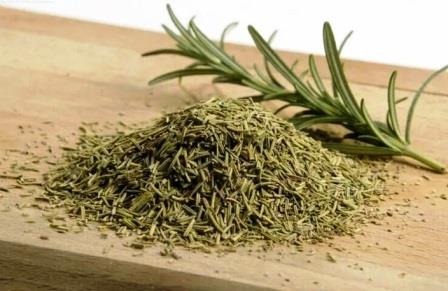
Fresh and dried rosemary contain valuable nutrients, including vitamin A, vitamin C, vitamin B6, folic acid, thiamine, magnesium, manganese and iron.
Rosemary also contains rosmarinic acid and carnosic acid — powerful polyphenols known for their anti-inflammatory and antioxidant properties. Its essential oil naturally contains 10–20% camphor.
Regular rosemary consumption may help:
- Support healthy digestion by stimulating gastric juice and bile production;
- Strengthen the immune system thanks to its high vitamin C content;
- Improve brain and nervous system function due to magnesium and vitamin B6;
- Support recovery during colds and flu by helping reduce inflammation;
- Reduce inflammatory cytokine activity (such as IL-6 and IL-8) through polyphenol compounds;
- Promote overall wellness and vitality;
Rosemary in cooking
Rosemary is widely used as a natural flavor enhancer and preservative. It intensifies the aroma and taste of meat, vegetables, baked goods, and beverages.
Rosemary is traditionally added to marinades for lamb, rabbit, turkey, beef and pork. Dried chopped rosemary mixed with garlic and vegetable oil creates an excellent seasoning for roasted potatoes, grilled vegetables, BBQ dishes.
Rosemary is also commonly used to prepare herb-infused olive oil for salads and side dishes. This aromatic herb is frequently added to pizza, focaccia, cheese buns and savory pastries.
Fans of spiced beverages often use rosemary in mulled wine, herbal tea and coffee cocktails.
Rosemary in herbal medicine
For centuries, rosemary has been used in folk medicine to support health naturally. Rosemary tea to help relieve bloating, gas, mild stomach discomfort.
Pour 250 ml of boiling water over 1 tablespoon of dried rosemary leaves, let steep for 30 minutes, strain, and drink slowly. Honey may be added for taste.
Chewing a few fresh rosemary leaves twice daily has traditionally been used to help soothe inflamed gums.
A rosemary alcohol tincture (1 tablespoon of rosemary per 200 ml of alcohol or vodka) has traditionally been used to ease arthritis discomfort due to its anti-inflammatory and antiseptic properties.
For external use rub the tincture onto the affected area, cover with a warm cloth for better effect
In folk practices, rosemary has also been used to support healthy blood glucose levels. A common traditional method is taking 1 teaspoon of dried rosemary twice daily with warm water or unsweetened tea.
Organic rosemary by CraftOil
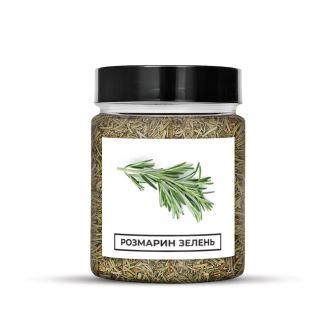
CraftOil offers a wide selection of organic products, including cold-pressed oils, seeds, nuts, flour, herbs and spices.
The company’s catalog includes naturally dried rosemary sourced from environmentally clean regions and grown without agricultural pesticides. This aromatic herb can enrich everyday meals while supporting a healthy lifestyle.
In addition to rosemary, CraftOil also offers black seed oil, poppy seed oil, almonds, almond flour and other various natural wellness products. For more information or to place an order, visit the official website CraftOil


