


 +38 068 277 99 23



Eggplants are among the most popular autumn vegetables, loved by home cooks for their delicate flavor and versatility in cooking. During the season, they’re fried, stewed, baked, added to minced meat, and used for eggplant caviar. For winter storage, eggplants can be pickled, frozen, or even dried.
Drying eggplants is one of the best preservation methods — it doesn’t require special storage conditions, and once rehydrated, the dried slices can be turned into delicious stews, casseroles, or baked dishes. You can also grind dried eggplants into powder and use it as a seasoning for soups, main courses, and salads.
Benefits of drying eggplants
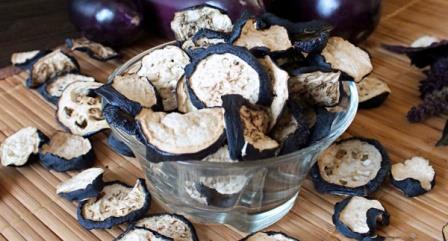
Eggplants are packed with vitamins and minerals beneficial for overall health. They contain vitamins B6, C, folic acid, beta-carotene, and essential minerals such as calcium, iron, potassium, manganese, and zinc.
They are also rich in dietary fiber, which supports healthy digestion, and potassium salts, which strengthen the heart and help remove excess fluid from the body.
The deep purple skin of eggplants owes its color to anthocyanins — natural antioxidants that help regulate blood pressure and reduce the risk of heart attacks in people with hypertension.
Importantly, all these valuable nutrients remain intact during dehydration, making drying one of the healthiest methods of preserving eggplants.
A 100-gram serving of dried eggplant contains about 167 kcal and is almost completely fat-free, making it a perfect diet-friendly and low-calorie product suitable for people controlling their weight.
How to dry eggplants properly
Choose the right eggplants. Use young, medium-sized vegetables with tender skin and underdeveloped seeds.
Prepare the vegetables. Wash thoroughly, pat dry with a kitchen towel, and cut off the stems. If the skin is thick, peel it using a vegetable peeler or knife. Slice the eggplants. Cut them into circles or thin slices up to 1 cm thick. For powdered or crushed eggplants, cut into small cubes — they dry faster and take up less storage space.
Drying process in the dehydrator. Place the eggplant pieces in a single layer on the tray of the dehydrator. Set the temperature to 100°C (212°F) for the first 30 minutes, then reduce to 80°C (176°F) and continue drying for about 2 hours.
The total drying time depends on slice thickness and the size of the pieces.
While it’s possible to dry eggplants in a regular oven, it’s much harder to control the temperature — most ovens don’t have an 80°C mode, so you’ll need to keep the door slightly open. This makes it difficult to achieve a consistent result. That’s why a dedicated food dehydrator is a better and more reliable option.
CraftOil dehydrators for home and professional use
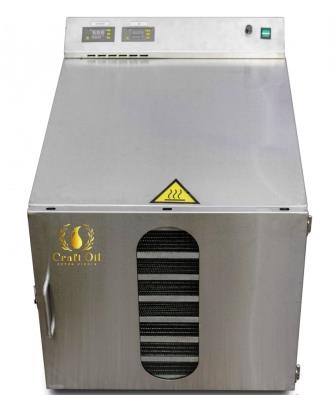
CraftOil, a well-known manufacturer of premium cold-pressed vegetable oils, also offers a range of certified drying cabinets and food dehydrators. On the company’s website, you can find fully automatic dehydrators made of food-grade stainless steel (AISI-304) — safe and durable materials approved for food production.
Models SH-M and SH-M2 are ideal for home use, compact, and feature multiple drying programs that make them perfect multifunctional kitchen assistants.
Models SH-1, SH-2, and SH-4 are designed for commercial or industrial use. They can dehydrate vegetables, fruits, herbs, medicinal plants, and even produce meat or fish snacks.
To learn more about CraftOil’s dehydrators or to place an order, simply leave a request on the official website.


