


 +38 068 277 99 23


Banana flour is a relatively new but rapidly growing product in the global health food market. It is especially popular among athletes and followers of a healthy lifestyle. Banana flour was first produced in the early 20th century in Africa and Jamaica, where it served as an affordable alternative to wheat flour.
Over the past 10–15 years, banana flour has gained a reputation as a «superfood», particularly among people aiming for weight loss or following the paleo diet. It is rich in vitamins, minerals, dietary fiber, and essential micro- and macronutrients required for proper functioning of the human body.
Composition and health benefits of banana flour
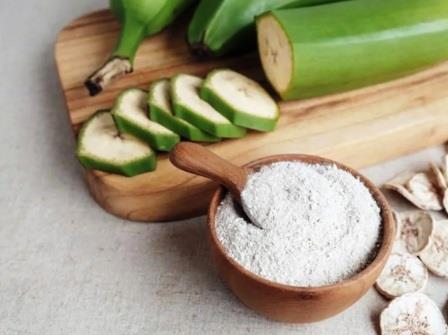
Banana flour benefits are largely attributed to its impressive nutritional profile. It contains beta-carotene, vitamin C, tocopherol (vitamin E), as well as thiamine (up to 3467% of the recommended daily intake per 100 g), riboflavin (3000% RDI), pyridoxine (up to 14,950% RDI), and potassium.
In addition, banana flour provides vitamins A, B4, and B9; minerals such as magnesium, phosphorus, sodium, and calcium; trace elements including iron and zinc; polyphenols; phytosterols (β-sitosterol and campesterol); and a special form of resistant starch that is not easily digested.
This gluten-free flour is especially beneficial for people who are overweight, individuals with diabetes, and those in a prediabetic state. Regular consumption helps strengthen the immune system, supports detoxification, and maintains muscle tone.
A 100-gram serving of banana flour contains approximately 350 kcal. It promotes long-lasting satiety without overloading the stomach or digestive system.
Despite its numerous health advantages, banana flour should be consumed in moderation. If it exceeds 10% of total daily food intake, it may cause digestive discomfort and increased gas formation.
Production process and uses of banana flour
Green banana flour is widely used in cooking as a substitute for wheat flour and as a natural thickener. It is also utilized in the production of organic adhesives and animal feed.
Banana flour is made from a special variety of bananas known as plantains. At home, it can be prepared by drying banana peels and grinding them into powder using a blender. The finished product has a greenish-gray color and a neutral taste. Producing 1 kilogram of banana flour requires approximately three times more raw bananas.
It is worth noting that banana flour is still considered a rare and somewhat exotic product, rarely found in physical stores or online catalogs. Excellent and equally nutritious alternatives include milk thistle flour, black cumin (kalonji) seed powder, sweet almond flour, and black and white sesame flour. Each of these offers a unique vitamin-mineral profile and significant health value.
Organic flour by CraftOil — the foundation of a healthy diet
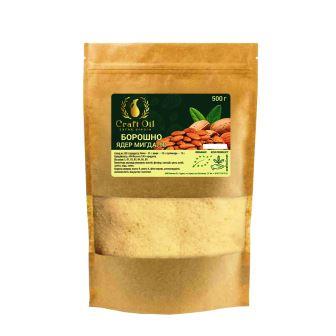
CraftOil offers a wide and regularly updated selection of organic flours, produced in-house at certified mills using environmentally friendly raw materials such as seed, grain, and nut press cakes. Flour is freshly milled on the day of purchase, packed in eco-friendly paper bags with airtight seals, and shipped worldwide.
CraftOil also provides premium cold-pressed raw vegetable oils — 100% natural products with rich flavor and aroma. To learn more about our products or place an order, simply leave a request on our website. Our managers will gladly help you choose products you’ll truly enjoy.


