


 +38 068 277 99 23



The face is traditionally considered a person’s «calling card», which is why it deserves especially careful, proper, and comprehensive care. While cosmetic or aesthetic imperfections on the body can often be hidden, those on the face are always visible. Among the most common skin concerns are couperose and rosacea — conditions associated with abnormalities of subcutaneous blood vessels that manifest as redness and, in some cases, mild swelling of the skin.
Couperose vs. rosacea: key differences and symptoms
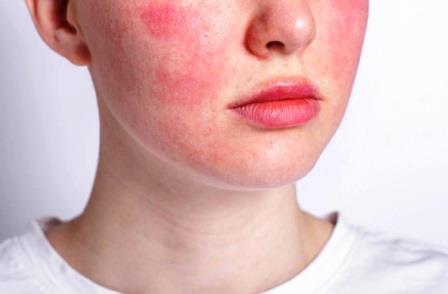
Couperose is a condition in which capillaries remain permanently dilated. Under normal circumstances, blood vessel walls are elastic and can constrict or expand to regulate blood flow. When excessive dilation occurs, redness appears in areas where the skin is particularly thin. In more severe cases, this redness is accompanied by inflammation, swelling, dryness, and a feeling of tightness — most often on the chin, the sides of the nose and/or the cheekbones.
If left untreated, couperose causes the epidermis to become hypersensitive, leading to itching, burning, and other uncomfortable sensations.
Rosacea, on the other hand, is a chronic inflammatory skin disease that affects not only blood vessels but also soft tissues. It is not infectious by nature, but its symptoms may worsen due to exposure to staphylococcal bacteria or infestation with subcutaneous mites. Rosacea most commonly appears as persistent redness on the cheeks, although other facial areas may also be affected depending on the subtype. For example: erythematotelangiectatic rosacea presents with redness, visible broken capillaries («spider veins»), and a bluish skin tone on the cheekbones. Papulopustular rosacea is almost always accompanied by acne-like breakouts.
Like couperose, rosacea progresses without proper treatment — the inflammation intensifies, and symptoms become increasingly pronounced.
How couperose and rosacea are treated
Neither couperose nor rosacea can be cured permanently. However, with the right skincare approach, it is entirely possible to achieve long-term remission.
Key recommendations include: using non-abrasive, alcohol-free skincare products, avoiding facial scrubs, especially coarse exfoliants. Gently patting the face dry with a soft towel after cleansing (not terry cloth), applying sunscreen daily, regardless of the season.
Diet also plays an important role. It is advisable to reduce consumption of sour cream with fat content over 20%, liver, chocolate, pickled and salted vegetables, citrus fruits, and bananas. These foods are high in histamine, a mediator that triggers inflammatory processes.
Oils for couperose and rosacea
Renowned French expert in natural cosmetics and aromatherapy, Dominique Davenne, founder of Laboratoire Rozier-Davenne, recommends the following essential oils for caring for inflamed and sensitive skin:
- Lemon essential oil – contains limonene, a unique compound that improves vascular tone and enhances microcirculation;
- Cypress essential oil – rich in camphene, a powerful antiseptic with anti-inflammatory and toning effects. It also contains pinene, carene, and alpha-terpinene, which provide astringent and antibacterial properties;
- Lavender essential oil – composed of approximately 50% linalyl acetate, an ester known for its calming and relaxing effects. It increases vascular elasticity and relieves skin hypertonicity;
Essential oils can be added to skincare products at a ratio of 1–2 drops per 10 ml of cream or gel, or mixed with carrier oils in a 1:20 ratio for facial oiling or homemade masks.
Another highly effective remedy for reducing symptoms of couperose, rosacea, and other inflammatory skin conditions is black cumin oil (Nigella sativa oil). It contains thymoquinone, a compound that blocks the production of pro-inflammatory cytokines (including IL-1β, IL-2, and IL-6) and provides a pronounced anti-edema effect.
Additionally, thymoquinone suppresses the activity and can even lead to the elimination of Demodex mites, which are widely believed to be one of the main triggers of rosacea flare-ups..
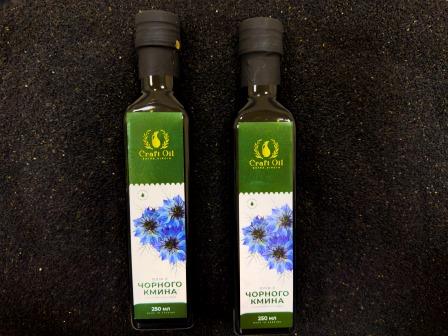
Black cumin oil is rich in linoleic and oleic fatty acids, as well as vitamins A and C, making it one of the best nourishing and moisturizing oils for the skin. This is particularly important for people with couperose, as the epidermis is often excessively dry and easily irritated.
Unlike essential oils, black seed oil can be applied undiluted. It can be used on facial skin 1–2 times per week or applied locally to inflamed areas. It is well tolerated, non-addictive, and has a powerful positive effect on both the epidermis and dermis.
CraftOil black cumin oil – an effective solution for healthy skin
CraftOil offers fresh, aromatic, 100% natural black cumin oil, produced using cold-press extraction on proprietary presses. We use only carefully selected, environmentally clean raw materials — kalonji (Nigella sativa) seeds with certified quality, stored under ideal conditions.
In addition, CraftOil offers a wide range of carrier oils, including camelina, sunflower, corn, poppy seed, almond, and many others. Visit our catalog to explore the full selection or leave a request on our website and wait for a response. Our specialists will help you choose the perfect solution to help your skin truly bloom.


