


 +38 068 277 99 23


Vegetable oils are not just an important part of a healthy diet — they are essential. They provide fatty acids (both saturated and unsaturated), vitamins (especially fat-soluble ones), minerals, and micro- and macroelements necessary for overall well-being.
Unrefined (raw) oils are particularly valuable because they are not subjected to refining, deodorization, winterization, heating, or other processing methods. One characteristic feature of most raw oils is that they tend to thicken even at relatively low temperatures. Many people mistakenly assume this is a sign of spoilage, but in reality, it is completely normal.
Why oil becomes thick
Each vegetable oil has its own fatty acid composition, which determines its physical and chemical properties, including thickening temperature and smoke point.
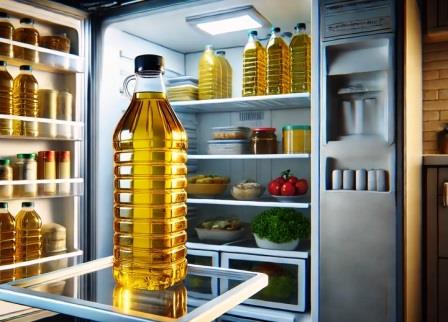
Some oils become thick and viscous at temperatures as low as +3 to +5°C (typical refrigerator conditions). Examples include pumpkin seed oil, milk thistle oil, and sesame oil.
Oils rich in unsaturated fatty acids — especially omega-3 — generally do not solidify at above-freezing temperatures. These include hemp oil, flaxseed oil, and walnut oil.
Natural plant-based oils also contain waxes and monounsaturated fatty acids. At temperatures between +3 and +7°C, these components change their state from liquid to solid. As a result, you may notice flakes, clumps, or a cloudy sediment forming at the bottom of the bottle.
Yes. Rapid clouding or thickening of oil when cooled is actually a sign of high quality. It indicates that the oil has not been refined or heavily processed.
This process is reversible at room temperature (around +15°C), the oil usually becomes clear and liquid again within 15–20 minutes. Frequent cooling and reheating may slightly alter the texture, but it does not affect the oil’s nutritional value or health benefits.
The container also plays a role larger bottles or jars slow down the thickening process and smaller containers allow the oil to cool and thicken faster.
Absolutely. Whether thick or liquid, vegetable oil remains safe and beneficial for cooking, cosmetic use and phytotherapy and natural remedies.
It is a «living» product that supports health, improves well-being, and helps maintain overall vitality.
You can press raw oils at home using a mechanical or hydraulic oil press, a press mold (barrel), high-quality raw materials such as seeds, grains, or nuts.
CraftOil equipment for oil production
CraftOil offers everything needed for home oil pressing oil presses with capacities from 20 to 75 tons, press barrels made of ash wood or caprolon (0.5–5.5 liters), a wide selection of seeds and nuts.
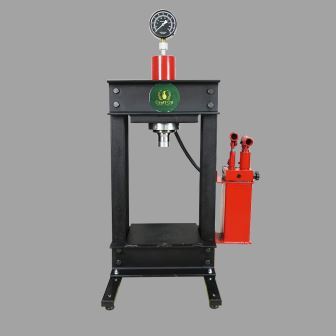
Popular models such as 20-ton and 30-ton presses are ideal for home use. They are compact, easy to maintain, and user-friendly. The company also provides matching press molds, 1-year warranty, full customer support from selection to oil extraction.
Available raw materials include white amaranth seeds, sesame seeds (white and black), mustard seeds (three varieties), food-grade hemp, sweet almonds, peeled peanuts, pumpkin seeds (with or without shell)
To explore the secrets of home oil pressing or choose the right equipment, submit a request on the website and receive expert guidance.


