


 +38 068 277 99 23



Honey is, without exaggeration, a unique gift of nature and a powerful source of health benefits. It is consumed in its pure form and also used to create medicinal and cosmetic products. In addition, beekeepers produce cream honey (also known as whipped honey) — a delicious dessert with a smooth, melt-in-your-mouth texture and a delicate aroma.
The history of cream honey
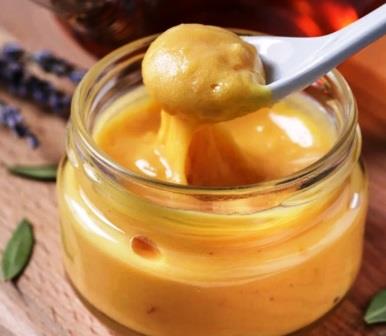
In recent years, cream honey has become increasingly popular, leading many people to believe it is a modern invention. In fact, it dates back to 1928, when a Canadian professor named Elton Dyson from the University of Guelph was searching for a way to prevent honey crystallization and accidentally created its creamy form.
He later discovered that prolonged, intensive (yet controlled) stirring breaks down sugar crystals. As a result, the honey becomes less dense and viscous, developing a light, airy, and spreadable consistency.
Over the next seven years, Dyson refined his technique, experimenting with different types of honey and whipping methods. In 1935, he patented cream honey production, launched commercial manufacturing, and the product quickly became popular in the United States and later in Europe.
In Ukraine, this honey dessert appeared relatively recently — around the 2000s — but gained significant popularity after the COVID-19 pandemic, when people began actively seeking natural ways to support their health.
Cream honey production process
Essentially, cream honey is whipped natural honey. Modern production technology allows sugar crystals to be reduced to a fine fraction of about 0.04 mm, resulting in a silky texture.
Additional ingredients are often incorporated to enhance flavor and nutritional value, including nuts (ground or crushed), berries and fruits, ginger root or propolis.
Almost any type of honey can be used for whipping, including buckwheat, acacia, linden, or wildflower honey.
A key requirement during the whipped honey production process is temperature control. The honey must not be heated above 42°C (107.6°F), as excessive heat destroys its natural enzymes and reduces its health benefits.
Health benefits of cream honey
Cream honey benefits are comparable to those of raw honey, as its composition remains unchanged. It contains over 300 biologically active compounds, essential minerals such as potassium and magnesium, amino acids, small amounts of fatty acids.
Flavored cream honey with added ingredients can be even more beneficial, as it includes extra vitamins, fiber and micro- and macroelements from nuts, berries, and fruits.
Naturally, the taste, aroma, and nutritional value of cream honey depend directly on the quality of the raw honey used. High-quality honey extraction requires reliable beekeeping equipment, such as stainless steel honey extractors, which are safe, durable, and suitable for food production.
Certified CraftOil honey extractors
CraftOil offers a wide range of beekeeping equipment and products. Our catalog includes automatic electric honey extractors of various types (including комбинированные models) and capacities.
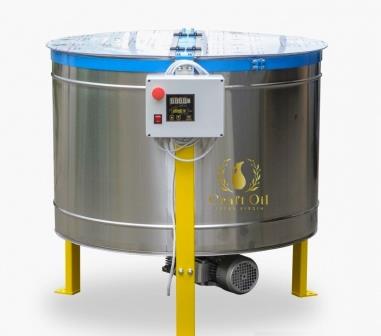
Наші МР-28Н, МК-4 (300 мм.), МК9 (230мм.), МЛ-9 (230 мм.) та інші працюють з усіма Models such as MR-28n, MK-4 (300 mm), MK-9 (230 mm), and ML-9 (230 mm) are compatible with all popular frame types, including custom-made ones. They feature multiple operating modes and can be individually adjusted if needed. These are high-quality, certified machines designed to make honey extraction efficient, fast, and labor-saving.
In addition to beekeeping equipment, CraftOil offers a wide selection of natural products, including cold-pressed oils, grains, nuts, various types of flour.
Try our flaxseed oil, sesame oil, camelina flour, almonds, or amaranth and experience their excellent taste and positive effects on your health and well-being.
To learn more about our products or to choose the right honey extractor, simply leave a request on our website — we’ll be happy to assist you.


