


 +38 068 277 99 23


Most people today recognize amaranth as an ornamental plant often found in gardens and flowerbeds. However, long before it became a decorative favorite, amaranth was used as a staple food crop by ancient civilizations.
The nutritional value and health benefits of amaranth seeds were known as far back as 8,000 years ago. The Aztecs revered this ancient grain, calling it the «Grain of the Gods» and using it to make flour that provided long-lasting satiety. The Incas also valued amaranth, referring to it as their sacred bread.
Little-known facts about amaranth
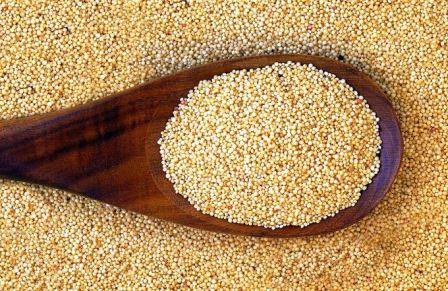
Amaranth is known by many traditional names, including pigweed, redroot, velvet flower, cat’s tail, and more.
Its name comes from the Greek word «amarantos», meaning «unfading flower». Even when dried, its vibrant blooms can retain their color and shape for up to 4 months.
Ancient Greeks believed it to be the «flower of immortality».
The world-renowned botanist and geneticist Nikolai Vavilov identified amaranth as one of the four crops that could sustain the future of humanity.
In Japan, amaranth greens are a valued addition to salads and side dishes. Their nutritional value rivals that of squid or mussels.
Amaranth was introduced to Europe in the 16th century but only gained attention in the 1970s when scientists discovered its seeds are rich in highly digestible protein and lysine — an essential amino acid rarely found in plant foods.
Today, over 900 varieties of amaranth are known, classified as ornamental, grain, forage, or vegetable types. Despite their differences, they share a similar nutrient profile.
Health benefits of amaranth and amaranth oil
Amaranth oil has long been used in traditional medicine. It’s one of the most effective natural antifungal, anti-inflammatory, and skin-repairing agents. It helps with conditions such as eczema, psoriasis, and fungal infections, and promotes healing of burns, wounds, and abrasions.
Amaranth is especially beneficial for people suffering from:
- Gastritis;
- Pancreatitis;
- Chronic ulcers;
- Gastroduodenitis;
Thanks to its high content of squalene, a powerful antioxidant, amaranth supports the immune system, lowers the risk of atherosclerosis, and may even reduce the likelihood of certain cancers.
Previously, squalene was extracted from shark liver, which contains no more than 2%. Today, amaranth offers a sustainable alternative, containing up to 6% squalene.
Amaranth greens and seeds are also a valuable supplement in animal feed. Cows fed with amaranth produce more milk and suffer less from constipation. Chickens fed amaranth lay more eggs and gain weight faster.
Fresh, organic amaranth seeds from CraftOil – a treasure for health enthusiasts
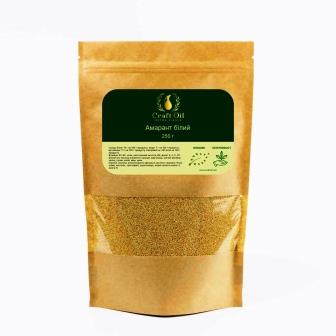
At CraftOil, we offer fresh, organic white amaranth seeds that undergo strict quality control. Ideal for food, herbal remedies, or cold-pressing nutrient-rich oil, our amaranth seeds are a superior choice for those who care about natural wellness.
We also provide a wide range of home oil presses for making your own healthy plant oils. Each model comes with a 1-year warranty and everything needed to get started.
Want to learn more? Have questions about how to make amaranth oil at home or which oil press is right for you? Our expert consultants are happy to help. Just leave an inquiry on our website, and we’ll get back to you promptly.


