


 +38 068 277 99 23



The coconut palm is one of the most well-known plants, widely used in the food, cosmetic, and herbal medicine industries. Because of its versatility, it is often called the «tree of life». In its native regions — Indonesia, Malaysia, and the Philippines — coconuts are considered sacred fruits, believed to be a divine gift to humanity.
Coconut water is consumed on its own and added to various beverages and even some dishes. Coconut flesh is widely used in cooking and cosmetology, while coir is regarded as one of the best natural fillers for mattresses and orthopedic pillows.
One of the lesser-known but increasingly popular coconut products is coconut flour — a fine powder made from pressed, dried, and ground coconut meat.
Description and characteristics of coconut flour
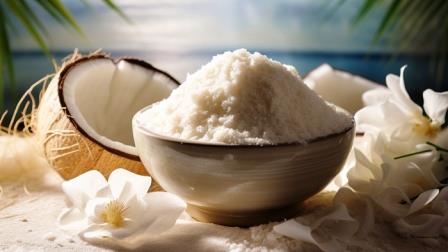
Coconut flour is a beige (sometimes slightly yellowish) powder with a delicate nutty aroma and a mildly sweet taste. Its main advantages are that it is gluten-free and contains a minimal amount of fast carbohydrates, which can cause sharp spikes in blood glucose levels and increase the risk of obesity.
The exact origin of coconut flour is unknown, but researchers believe it was already being produced in the 16th century in Tahiti and Sri Lanka. Today, these countries—along with the Philippines, India, and Indonesia — are among the largest exporters of this exotic yet extremely beneficial product.
Composition and health benefits of coconut flour
The health benefits of coconut flour are explained by its rich nutritional and chemical composition. Powder made from dried coconut meat contains:
- Vitamins E, C, PP, and B-complex vitamins (including B1, B2, B4, and B9);
- Sucrose;
- Saturated fatty acids;
- Polyunsaturated fatty acids (Omega-6 and Omega-9);
- Macronutrients such as sodium and calcium;
- Dietary fiber;
Unlike shredded coconut, coconut flour contains only about 8% fat, making it a low-calorie dietary product suitable even for people who are dieting or managing excess weight.
100 grams of coconut flour contain approximately 187 kcal, compared to about 365 kcal in premium wheat flour.
Coconut flour can be consumed internally and also used externally for making homemade scrubs, peels, and nourishing face masks. It is commonly added to smoothies, yogurts, and other beverages as a natural thickener, as well as to sweet baked goods to enhance flavor with a creamy, rich coconut aroma.
Regular consumption of coconut flour helps improve intestinal peristalsis, lowers blood glucose levels, increases insulin sensitivity, and supports the removal of excess fluid from the body. It also contributes to healthy thyroid function and significantly reduces the risk of both hyperthyroidism and hypothyroidism.
Coconut flour is a relatively rare product and not always easy to find in stores. However, it can be made at home by drying coconut flakes and grinding them in a blender or coffee grinder.
The resulting powder should be stored in a tightly sealed glass or clay container at room temperature. When stored properly, it retains its beneficial properties for up to six months after preparation.
CraftOil coconut flakes – the perfect base for coconut flour
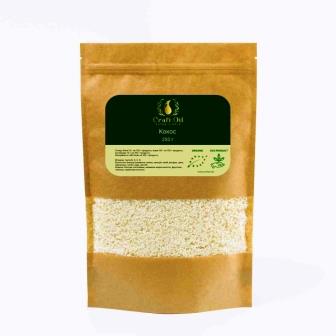
CraftOil™ offers organic, eco-friendly, certified coconut flakes that undergo strict quality control. They are free from preservatives and other chemicals and stored under ideal conditions. This is a premium craft product that can be added to food and drinks, used to extract raw coconut oil, or ground into high-quality coconut flour.
In addition, CraftOil provides a wide selection of high-performance stainless steel grinders suitable for both home and industrial use. To learn more or to place an order for coconut flakes or other products, simply leave a request on the website.


