


 +38 068 277 99 23


Savory is a little-known and unfairly overlooked spice that is sometimes confused with thyme. It is characterized by a pungent, peppery aroma and a distinctive taste with a long-lasting spicy aftertaste.
In Ancient Greece, savory was highly valued not only as a seasoning but also as a medicinal herb. Aristocrats wove it into wreaths, believing it could protect them from illness and evil spirits. Manuscripts of the famous ancient Roman poet Virgil contain recommendations to add this herb to food in order to improve its aroma and flavor.
Savory has many names, including satureja, chubritsa, jambhul, kondari, and chober. It is a traditional spice in Georgian, Bulgarian, and Scandinavian cuisine. In Germany, the plant is called «Bohnenkraut», which literally means «bean herb». It pairs perfectly with lentils, beans, chickpeas, and other legumes, improving their flavor and digestibility while also reducing bloating during digestion.
Health benefits and uses of savory
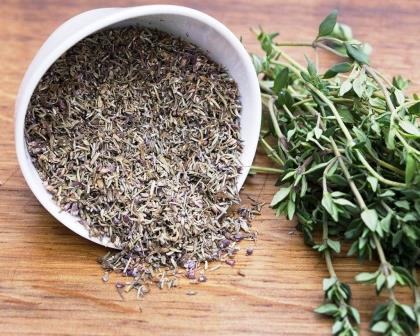
Savory is an aromatic herb rich in essential oils, vitamins, minerals, and other biologically active compounds beneficial for the human body. It contains:
- Vitamins A, PP, B6, and vitamin C;
- Minerals such as iron, calcium, potassium and magnesium;
- Essential oils including thymol and carvacrol;
Consuming savory may help accelerate metabolism, improve digestion (especially of heavy foods such as fatty meat and legumes), and strengthen the immune system.
Due to its high content of essential oils, savory acts as a powerful natural antiseptic that suppresses the activity of many pathogenic bacteria, fungi, and parasites, including intestinal worms.
Its decoction and herbal infusion are considered effective expectorants that help remove mucus from the respiratory tract and ease breathing during nasal congestion.
How savory is used in cooking
Savory is one of the most versatile spices and pairs well with a wide variety of foods. Because of its spicy flavor, it is often used as a substitute for chili pepper and allspice. This seasoning is especially popular in Caucasian, American, and Eastern European cuisines. It is often called the «king of salads» because it enhances the flavor of vegetables, nuts, and legumes.
Savory is also added to breading for river and sea fish, vegetable stews, and meat dishes. It pairs especially well with rabbit, lamb, and pork.
In Scandinavian cuisine, savory is an essential ingredient for pickling herring, while in Germany it is traditionally added to milk soup with eggs.
In addition, the spice is commonly used in game dishes such as stews and roasts.
Savory combines perfectly with mushrooms and cheese, highlighting their flavor and giving them a distinctive spicy aroma.
It also harmonizes with many other spices, including hot pepper, allspice, black cumin, basil, marjoram, rosemary, oregano, and sage.
Organic spices and seasonings by CraftOil — an essential part of cooking
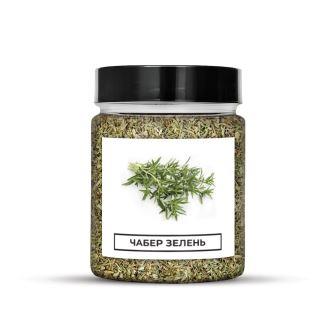
CraftOil offers a large and regularly updated selection of artisan products, including raw vegetable oils, flour, grains, nuts, spices, and seasonings. Our catalog always features dried savory harvested in an environmentally clean region and produced without pesticides or preservatives. It is ideal for both culinary and wellness purposes.
In addition, CraftOil offers aromatic black cumin (kalonji) and black cumin flour, delicious pumpkin seed oil, poppy seed oil, hemp oil, sweet almonds, and many other products that can improve the taste of everyday dishes while providing significant health benefits.
To learn more about their value or place an order, simply leave a request on the website.


