


 +38 068 277 99 23


After completing a course of antibiotics, very few people can say they feel completely well. Indigestion, diarrhea, nausea, a bitter taste in the mouth, general weakness, and increased fatigue are among the most common symptoms experienced after taking bactericidal and bacteriostatic medications.

Many people mistakenly believe that dietary supplements are the “solution” after medication treatment. However, supplements can also put extra strain on the excretory system, which is already weakened by pharmaceutical drugs.
Recovery after antibiotics is not a quick or easy process. Proper, nutritious, and balanced nutrition plays a major role, as well as consuming foods that support the liver and kidneys naturally.
Nutrition tips for recovery after antibiotics
Digestive system disorders are extremely common after antibiotic treatment, which is why a special diet is recommended.
Diarrhea often causes dehydration, so it is important to drink plenty of fluids to restore the body’s water balance. Even without feeling thirsty, it is advisable to drink small amounts of fresh juice, tea (slightly sweetened if desired), or mineral water throughout the day. Sugary carbonated drinks should be avoided temporarily.
Pharmaceutical drugs are quite aggressive and may damage the stomach lining, causing gastritis or gastroduodenitis. In people with stomach ulcers, antibiotics can trigger severe flare-ups. After a course of antibiotics, it is best to switch temporarily to soft, non-spicy, low-fat foods such as pureed soups, smoothies, porridges, stewed, boiled or baked vegetables.
Oatmeal and flax seeds soaked in boiling water are especially beneficial. They release a natural mucus that coats the stomach lining and helps it heal faster.
In addition, light dietary foods do not overload the gastrointestinal tract, helping the intestinal microflora recover more quickly.
It is also recommended to minimize sugar and baked goods. While beneficial bacteria are still depleted in the intestines, glucose can promote excessive yeast growth, while gluten may trigger inflammation of the intestinal walls, accompanied by abdominal pain, cramps, and bloating.
To restore gut microbiota as quickly as possible, foods rich in fiber should be included in the diet. Fiber not only helps cleanse the body and prevent constipation but also serves as a nutrient source for beneficial bacteria destroyed by antibiotics.
Benefits of milk thistle for recovery after medication
One of the most effective natural remedies for supporting the liver, kidneys, and gallbladder after medication is milk thistle meal or milk thistle flour. This low-fat product is rich in fiber and silymarin — a unique flavonoid that strengthens liver cell membranes (hepatocytes) and accelerates their regeneration. Silymarin also has antioxidant properties, helping protect the body from free radicals formed during antibiotic metabolism.
Milk thistle flour or meal is usually consumed daily, 2–3 teaspoons per day, about 15–20 minutes before meals. On average, the course lasts from 1 to 1.5 months, sometimes up to 2 months. Since it is a natural remedy, the positive effect is cumulative and may not be noticeable immediately.
Milk thistle oil is also beneficial. It can be added to meals or taken internally, 1 teaspoon about 30 minutes before breakfast and dinner. Unlike meal or seeds, the oil contains no fiber but provides a much higher concentration of silymarin.
CraftOil milk thistle products for recovery after antibiotics
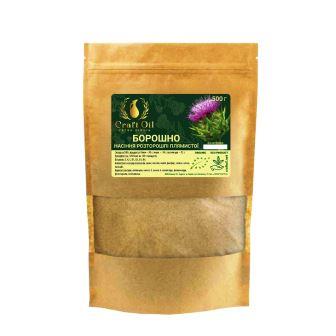
CraftOil Official Website offers a wide selection of organic, 100% natural craft products, including seeds, nuts, flours and cold-pressed oils. The catalog includes organic milk thistle seeds, defatted milk thistle flour, fresh cold-pressed milk thistle oil produced on the day of order.
Customers can also find golden and brown flax seeds, flax flour and flaxseed oil with a delicate taste and light natural aroma.
To learn more about the products or place an order, simply leave a request on the website.


