


 +38 068 277 99 23




For the human body to function properly, maintain overall health, and stay energized, it needs not only vitamins, minerals, and essential micro- and macronutrients, but also dietary fiber — coarse plant fibers that are not broken down by digestive enzymes in the stomach and intestines.
There are two main types of dietary fiber: soluble and insoluble fiber. Soluble fiber is found primarily in oatmeal, barley, legumes (especially lentils), and apples. The main sources of insoluble fiber are grains and seeds of various crops, as well as different types of nuts, including almonds, peanuts, hazelnuts, cashews and others.
Health benefits of dietary fiber
When soluble fiber enters the gastrointestinal tract, it forms a gel-like substance that helps provide a longer-lasting feeling of fullness and prevents sudden spikes in blood glucose levels. It can also bind to «bad» cholesterol molecules, reducing their absorption into the bloodstream.
Insoluble fiber passes through the stomach and small intestine in virtually unchanged form and begins to play an active role primarily in the large intestine. It serves as a source of nourishment for beneficial bacteria, including bifidobacteria and lactobacilli, helping support a healthy gut microbiome.
Insoluble fiber also promotes intestinal peristalsis — the natural contractions of the intestinal walls — which supports regular bowel movements and the natural elimination of stool. This may help reduce digestive discomfort associated with bloating, abdominal cramps, and excessive gas.
By absorbing moisture, insoluble fiber swells and can increase in volume by approximately 20–50 times. When mixed with stool, it helps soften it and can make natural bowel movements easier.
Types of insoluble fiber
There are three types of plant-based fiber commonly discussed in this context:
- Cellulose — a structural component of plant cell walls;
- Hemicellulose — a complex carbohydrate found in plant cells that helps provide structural support;
- Inulin — a type of plant fiber that serves as a food source for beneficial intestinal bacteria;
TOP 3 high-fiber foods
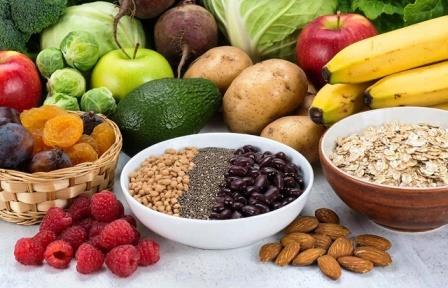
The average recommended daily intake of dietary fiber is approximately 25 grams for women and 35–40 grams for men. To help meet this requirement, it is useful to include foods rich in natural dietary fiber in your daily diet. Some of the most fiber-rich seeds include:
- Chia seeds — up to 34 g of fiber per 100 g;
- Flax seeds — approximately 27 g of fiber per 100 g;
- Black and white sesame seeds — approximately 18 g of fiber per 100 g;
These seeds can be consumed on their own, chewed and washed down with water, or added to salads, side dishes, spreads, snacks, and other meals.
An even more convenient source of dietary fiber can be flour made from seeds or grains.
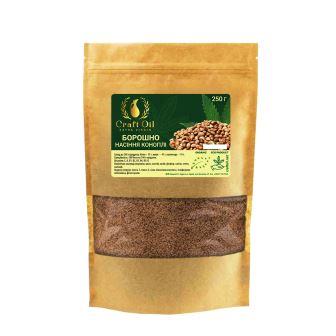
During production, excess oil is removed and the hard outer structure of the seeds is broken down. As a result, the flour can absorb moisture more quickly after entering the gastrointestinal tract and move through the digestive system.
Just like whole seeds, fiber-rich seed flour can be incorporated into a wide variety of dishes. It can also be consumed separately with water, unsweetened tea, herbal infusions, or another suitable beverage.
Sesame, chia, flax and variety of CraftOil flours — natural sources of dietary fiber
CraftOil offers a wide selection of natural, craft-made products. Our catalog includes organic, 100% natural flax, chia, black sesame, and white sesame seeds, as well as defatted flour made from their press cakes. The flour is produced using our own certified equipment — specialized food-grade stainless-steel mills.
Our flaxseed flour, sesame flour, and other seed-based flours are ideal for culinary experiments and can be a convenient way to add natural dietary fiber to your everyday diet.
At CraftOil, you can also find delicious, completely non-bitter flaxseed oil, delicate chia seed oil, aromatic sesame oil, and many other natural products in just a few clicks. To learn more about their benefits, properties, and ways to use them, simply submit an inquiry through our website.


