


 +38 068 277 99 23


Vegetable oils have long been a staple in cooking, baking, herbal medicine, natural skincare, and even household use. Among the most popular are sunflower oil, olive oil, and corn oil. These oils are commonly used for frying, sautéing, as salad dressings, and as ingredients in dough to make it more elastic and tender.
But did you know that the quality of oil significantly affects not just the taste and aroma of your dishes, but also their nutritional value? Most people who buy refined oils at the supermarket have no idea how harmful they can be to the body or how destructive their production methods truly are.
The most beneficial oils are those known as “living” fats, obtained through cold pressing. These are 100% natural, free of preservatives and chemical additives, and rich in omega fatty acids, vitamins, minerals, and both micro- and macroelements.
Let’s explore the key differences between refined supermarket oils and raw, cold-pressed craft oils.
How refined oils are made—and why they’re harmful
Major manufacturers of sunflower, corn, and other oils often avoid disclosing the full details of their production process. A common method used is solvent extraction, which involves treating seeds or grains with hexane, a chemical derived from gasoline.
While the final product is filtered multiple times, completely removing hexane is nearly impossible. That’s just the beginning. Refined oils also go through several harsh industrial processes, including:
- Neutralization – Treating the oil with alkali to eliminate free fatty acids, destroying essential omega fatty acids in the process;
- Hydration – Using hot water to remove phosphatides, which raises the oil’s temperature and leads to the degradation of vitamins A, E, D and valuable phospholipids;
- Deodorization – Exposing the oil to hot steam under vacuum, stripping it of taste, aroma, and most nutrients. This process can also produce toxic carcinogens such as acrolein and aldehydes;
Additionally, improper storage conditions and plastic packaging used in commercial oils further degrade their quality, making them not just less healthy—but actively harmful to your body.
Why cold-pressed oils are considered the healthiest
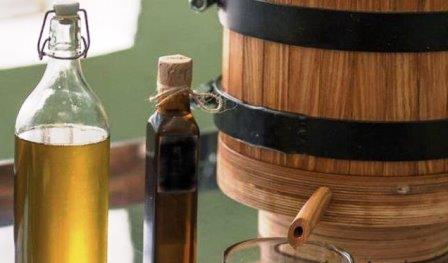
Cold-pressed oils are organic, eco-friendly, and packed with nutrients. Unlike refined oils, the raw materials used for cold pressing undergo no chemical or heat treatment. The oils are extracted using cold press machines that work at low temperatures, preserving the natural properties of the seeds, nuts, or grains.
Cold pressing is an ancient technique and remains the only method capable of producing 100% pure, natural oil that retains all the beneficial compounds from its source.
These oils are typically extracted in special wooden barrels (made from untreated ash) or premium food-grade polyamide (Caprolon), which do not affect the taste or quality of the oil.
CraftOil presses – the best equipment for homemade cold-pressed oils
People who care deeply about the quality of their food or the effectiveness of their homemade cosmetics often prefer to make their own oil at home. CraftOil, a leading producer of aromatic, craft cold-pressed oils and oil presses, offers a wide range of oil-making equipment and natural ingredients.
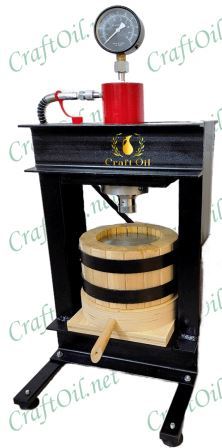
In the CraftOil catalog, you’ll find not only flavorful, unrefined oils, but also all the tools you need to create them yourself, including: 20-ton sheet and channel press, 30-ton channel press, 30-ton hydraulic dismountable press and more.
These machines are durable, easy to use, and do not require special storage conditions or maintenance, making them perfect for home oil pressing.
CraftOil also offers fresh, organic raw materials for oil production, such as: walnut kernels, apricot kernels, almonds, amaranth seeds, mustard seeds, flaxseed, sesame seeds.
These are excellent additions to your regular meals, great for healthy snacks, and ideal for making your own organic oils at home.
Want to learn more about the benefits of cold-pressed oils or need help choosing the right oil press? Our knowledgeable CraftOil consultants are here to help. Just leave a request on our website, and we’ll guide you through every step.


