


 +38 068 277 99 23


The end of summer and the first half of autumn are traditionally known as the melon season. During this time, people of all ages enjoy sweet, juicy watermelons and fragrant melons. Everyone knows about the health benefits of watermelon flesh, but only a few are aware of the nutritional value of watermelon seeds. And that’s a shame — these small seeds are packed with essential nutrients and possess powerful health-promoting properties.
Health benefits of watermelon seeds
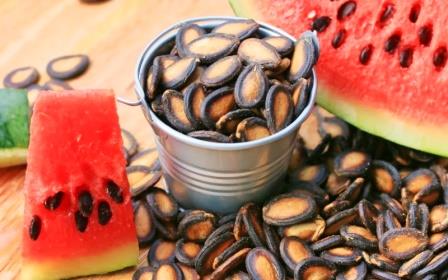
Watermelon seeds are rich in plant fiber, as well as essential amino acids, including:
- Arginine, which helps regulate blood pressure and maintain a healthy heart rhythm;
- Tryptophan, known for its neuroprotective properties and ability to support emotional balance;
- Lysine, which plays a key role in carbohydrate and protein metabolism;
In addition, watermelon seeds contain a complex of B vitamins vital for heart and brain function. They are also a good source of iron, magnesium, copper, and unsaturated fatty acids (omega fats) that participate in fat metabolism and other important physiological processes.
Recent studies on mice have revealed another potential benefit of watermelon seed consumption — it may help reduce prostate size, increase libido, and boost overall energy levels.
According to Kristina Meyer-Jacks, Professor of Nutrition at Northwestern University of Medical Sciences, watermelon seeds have strong antioxidant properties. They help slow down age-related processes in the body and significantly lower the risk of cancer development.
How to eat watermelon seeds
Watermelon seeds can be eaten raw or roasted. When roasted, they resemble pumpkin seeds in flavor and become easier to chew.
A standard daily serving for an adult is 1–2 tablespoons. Seeds should be chewed thoroughly or ground in a blender — this helps break their tough outer shell and improve digestibility.
Ground roasted watermelon seeds can be added to vegetable salads, side dishes, or used to make sauces and dressings. They can also be used to prepare watermelon seed tea — a drink that boosts vitality and strengthens the immune system. To make it, pour one teaspoon of watermelon seed flour into a cup of boiling water and simmer for 15 minutes. Drink the tea in small sips throughout the day for the best effect.
However, moderation is key. Overconsumption of watermelon seeds may cause digestive issues, including bloating, constipation, or colic. They are also not recommended for people with kidney disorders or citrullinemia (a rare genetic kidney condition).
Watermelon seeds are not the only beneficial seeds worth adding to your diet. Other nutrient-rich options include sesame, flax, amaranth, poppy, and caraway seeds. Each of these contains a unique combination of vitamins, minerals, and healthy fatty acids that support overall wellness.
Organic seeds and grains by CraftOil – a key to healthy nutrition
CraftOil offers a wide selection of organic products: natural oils, grains, seeds, and nuts of various kinds. Our white and black sesame, poppy, milk thistle, amaranth, black cumin, and mustard seeds (white, yellow, and black varieties) are 100% natural and eco-friendly, free from preservatives, stored under ideal conditions and certified for quality.
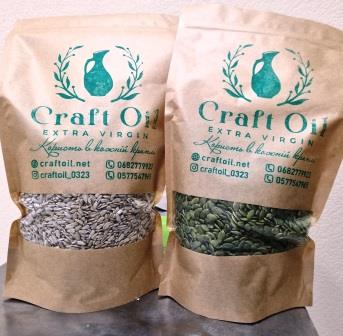
At CraftOil, you can also find a great selection of nut and seed flours made using stainless steel mills approved for food production.
Want to learn more about our organic products or find something to strengthen your health? Simply leave a request on our website — our team will be happy to help!


