


 +38 068 277 99 23


Modern people are becoming increasingly aware of the benefits of healthy eating and regular exercise. Strength training is gaining popularity because its positive impact on muscles, ligaments, and overall body tone is undeniable. Moreover, both men and women who train properly and consistently tend to look more attractive and fit compared to those who neglect physical activity.
With the growing popularity of strength sports, a common belief has emerged that those who train regularly must include meat in their diet. In reality, this is nothing more than a misconception or myth based on a misunderstanding of the body’s nutritional needs.
Vegetarian athletes: successful examples
One of the most famous examples proving that vegetarianism and bodybuilding can coexist is actor and bodybuilder Arnold Schwarzenegger, former governor of California. Back in 2016, he removed all meat products from his diet to reduce the greenhouse gases produced during livestock farming. The Hollywood star, who recently celebrated his 76th birthday, remains in excellent physical shape and has no complaints about his health.
Other successful examples of plant-based athletes include biologist and fitness coach Derek Tresize, trainer and fitness model Torre Washington, and professional bodybuilder Nimai Delgado, who has built impressive muscles without consuming meat.
Nutrition features of vegetarian athletes
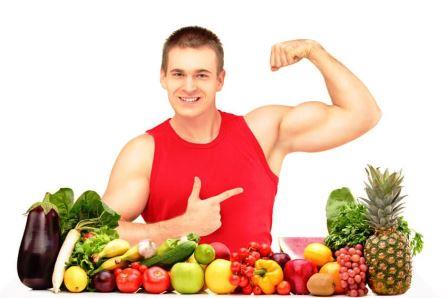
Vegetarianism implies a complete refusal to consume animal and seafood products. People following this lifestyle avoid poultry, beef, pork, veal, game, and also chicken or quail eggs.
For ethical reasons, some vegetarians also refuse to wear leather clothing, shoes, or accessories, and avoid fur-trimmed garments.
According to research by the Academy of Nutrition and Dietetics and the American College of Sports Medicine, a properly balanced meat-free diet can:
- Increase endurance and strength performance;
- Enhance muscle productivity;
- Improve digestive system function;
Scientists from the University of California, Berkeley, reached similar conclusions. They found that reducing red meat consumption helps lower the risk of serious diseases such as cancer and type 2 diabetes.
How to replace meat in a vegetarian athlete’s diet
Protein plays a crucial role in metabolism. It serves as the «building material» for muscles and participates in producing hemoglobin, which delivers oxygen to active tissues. Moreover, when carbohydrates are limited, proteins become a key source of energy — especially vital for athletes.
For those engaged in strength training on a vegetarian diet, proteins should make up about 12–15% of daily caloric intake.
Excellent sources of plant-based protein include nuts and seeds. For example: 100 g of hemp seeds contain about 30 g of protein, peanuts — 26.3 g, raw pumpkin seeds — about 24.5 g, almonds and cashews — approximately 18.6 g per 100 g.
In addition to proteins, these foods are rich in vitamins, minerals, trace elements, and fatty acids essential for a healthy metabolism and maintaining the body in optimal shape.
Nuts and seeds by CraftOil – essential nutrition for vegetarian athletes
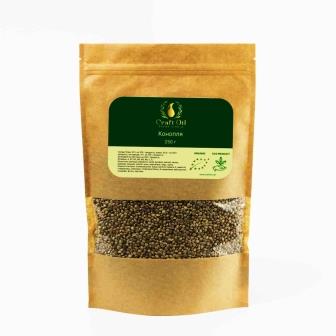
CraftOil, a producer of premium cold-pressed plant oils, offers a wide and constantly expanding selection of healthy organic products. On the company’s website, you can easily find eco-certified edible hemp seeds, sweet almonds, white amaranth, peanuts, pumpkin seeds (hulled and in-shell), cashews, hazelnuts, and more. These products are rich in plant-based proteins and other nutrients that support the health and performance of active people and athletes.
CraftOil’s catalog also includes a great variety of raw, cold-pressed oils made on proprietary equipment with specialized press forms. These oils are perfect not only for culinary use but also for wellness and cosmetic purposes.
Want to learn more about our products? Simply leave a request on the website — our specialists will contact you soon.


