


 +38 068 277 99 23


Spices and seasonings have traditionally been used to enhance the flavor of food, extend shelf life, and even improve health benefits. One of the more unique and relatively rare seasonings is Adyghe salt, considered a true highlight of Eastern cuisine and a must-try for lovers of authentic spice blends.
History and origin of Adyghe salt
The name of this seasoning comes from the Adyghe people, who originally created it. Several centuries ago, they began mixing regular salt with crushed garlic and dried herbs, typically ground using a mortar and pestle. This mixture was used to give meat dishes a richer taste and a more intense aroma.
The first mentions of Adyghe salt date back to the 19th century, appearing in the notes of ethnographers and travelers. They described the salt used by Adyghe and Kabardian people as an excellent natural preservative that helped keep meat fresh and safe to eat for long periods.
Interestingly, each family had its own secret recipe for making Adyghe salt. These recipes were passed down from generation to generation and kept strictly confidential. Revealing them to outsiders was forbidden and could even result in severe punishment.
Over time, Adyghe salt gained popularity beyond its homeland, and its composition and preparation methods eventually became widely known.
Composition and health benefits of Adyghe salt

Adyghe salt is a loose, light gray (sometimes slightly greenish) powder with a strong herbal aroma and a mildly spicy taste. Essentially, this seasoning is a blend of regular table salt (or sometimes sea salt), garlic, and dried herbs such as cilantro, parsley, dill and mint.
Modern variations may also include khmeli-suneli and fenugreek, making each blend slightly different. Today, there is no single standard recipe for Adyghe salt.
The recommended daily intake for an adult is about 5 grams, which provides:
- 80–100% of daily sodium needs;
- 1% vitamin C;
- 1% potassium;
- 1% calcium;
- 1% iron;
Adyghe salt is considered a low-calorie dietary product, containing only about 2.65 kcal per 5 grams, making it suitable even for people on a diet or those managing their weight.
How to use Adyghe salt in cooking
A mixture of salt, garlic, and herbs makes Adyghe salt a versatile seasoning. It can be used for marinades for meat, poultry and fish, flavoring sauces and gravies, seasoning dishes during cooking or serving and adding to dough for flatbreads and savory pastries (a traditional Eastern use).
In European cuisine, Adyghe salt is often used to prepare salad dressings by mixing it with plain yogurt, sour cream or mayonnaise.
It is also perfect for curing meat and pork fat, smoking meat (used as a pre-treatment), enhancing butter, soy paste, or sesame paste with a rich aroma and spicy flavor.
How to make Adyghe salt at home
You can easily prepare this flavorful seasoning at home. Here is a simple recipe. Mix 700 g of table salt (iodized salt can also be used), 1 head of garlic (pressed or crushed), 1 tablespoon each of dried and ground dill, parsley, cilantro and basil. For a spicier version add 1 teaspoon black pepper, 1 teaspoon paprika and 1 teaspoon chili pepper.
For a unique taste and aroma, include 1–1.5 teaspoons of ground black cumin (Nigella seeds). It will also increase its health benefits.
Where to buy Adyghe salt and black cumin powder
CraftOil offers premium Adyghe salt as well as organic, 100% natural, eco-friendly, certified black cumin (Nigella sativa) seed flour. These are low-fat, dietary, and highly beneficial products that can be added to food or used to create custom spice blends. Black cumin flour can also be consumed on its own to support immunity and improve overall vitality.
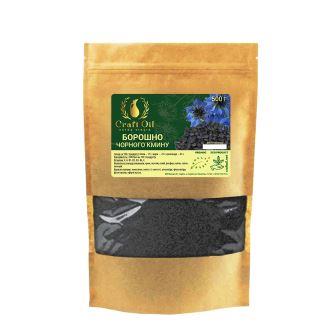
In addition, the CraftOil catalog includes dried dill, basil, black pepper, cumin seeds and cold-pressed oils. All oils are produced on the day of order using specialized pressing equipment to ensure maximum freshness and quality.
To learn more or place an order, visit the CraftOil website and submit a request.


