


 +38 068 277 99 23



Contrary to popular belief, completely avoiding flour-based products does not necessarily benefit your health or accelerate weight loss. Cookies can be included in a balanced diet and provide carbohydrates that contribute to energy intake and satiety. When following a weight-loss diet, choose cookies, gingerbread, and similar baked goods that contain little added sugar and have no cream coating or filling. Whole-grain or lower-fat flour options are worth considering. One particularly interesting option is homemade cookies made with flour produced from pressed camelina seed meal or pumpkin seeds. These flours can provide dietary fiber, including insoluble fiber, which supports normal bowel function and helps promote regular bowel movements.
How to eat cookies while on a diet
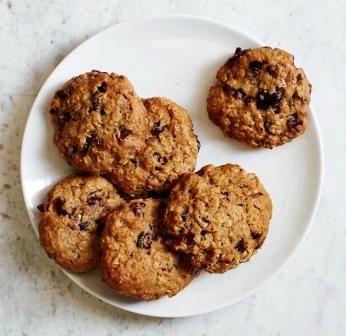
To reduce the calorie content of homemade cookies, replace some or all of the added sugar with unsweetened fruit or berry purée. You can also replace butter with vegetable oil, such as mustard seed oil or sesame oil, while keeping in mind that the total calorie content depends on the amount of fat used.
Pumpkin seed and camelina flours may also contain nutrients that support a healthy gut microbiome — the community of beneficial microorganisms in the digestive tract. A balanced gut microbiome plays an important role in digestive health.
To reduce the calorie content of homemade cookies, replace some or all of the added sugar with unsweetened fruit or berry purée. You can also replace butter with vegetable oil, such as mustard seed oil or sesame oil, while keeping in mind that the total calorie content depends on the amount of fat used.
How to eat cookies while on a diet
As a general guideline, consider limiting yourself to two or three small cookies a day, depending on their size, ingredients, and calorie content. Enjoy them as a snack or alongside beverages such as tea, coffee, or herbal infusions.
If cookies are topped with nuts or seeds, consider a smaller portion of one or two cookies per day. Nuts and seeds are nutrient-dense and relatively high in calories, so these additions can significantly increase the energy content of baked goods.
Another option is to choose unsweetened gingerbread or savory cookies and serve them as a base for canapés or as an accompaniment to soups and main courses. Depending on their ingredients, they can offer an alternative to white or rye bread.
Remember that successful weight management depends on your overall eating pattern and total calorie intake, rather than on eliminating a single food. Portion sizes and ingredient choices matter more than whether cookies are completely excluded from your diet.
Easy homemade diet cookie recipe
Making low-calorie homemade cookies can be simple. This recipe combines pumpkin seed or camelina flour with wheat flour and fruit purée for flavor and texture.
Ingredients:
- 100 g pumpkin seed flour or camelina flour;
- 50 g wheat flour;
- 1 egg;
- 1 tablespoon vegetable oil;
- 2 tablespoons apple or pear purée;
- A pinch of baking soda (or baking powder as an alternative);
Crack the egg into a deep bowl and beat it lightly. Add the apple or pear purée and mix thoroughly until combined. In a separate bowl, combine the wheat flour with the pumpkin seed flour or camelina flour and the baking soda. Sift the dry ingredients twice, then gradually add them to the egg and fruit mixture, stirring continuously. Add the vegetable oil and knead the mixture by hand until a dough forms.
Roll the dough into a sheet no more than 5 mm thick. Use an inverted glass or cookie cutters to cut out individual cookies. Preheat the oven to 170°C (338°F). Place the cookies on a baking tray and bake for approximately 15 minutes, or until cooked through. Allow the cookies to cool before serving.
Once cooled, the cookies are ready to enjoy. To help maintain their texture and prevent them from becoming stale, store them in a dry, airtight container.
The final calorie content will depend on the flour, oil, and fruit purée you use, as well as the size of each cookie. For more accurate nutritional information, calculate the calories and macronutrients based on the actual ingredients and total yield.
CraftOil specialty flours for diet-friendly cookies and everyday nutrition
CraftOil offers a selection of specialty products, including pumpkin seed flour and camelina flour. Our flours are produced from seed meal using our own milling equipment made from a specialized type of stainless steel suitable for food processing.
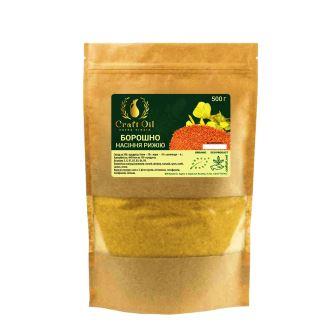
We store our products under appropriate conditions, package them carefully, and dispatch orders to destinations throughout Ukraine and around the world on the day the order is placed.
The CraftOil range also includes unrefined mustard seed oil, flaxseed oil, milk thistle oil, black seed oil, pumpkin seed oil, and many other plant-based oils. These products contain various vitamins, minerals, fatty acids, and other nutrients that contribute to a balanced diet.
To explore our products or find something suitable for yourself, your family, or your friends, simply submit an inquiry through our website.


