


 +38 068 277 99 23



Coffee is one of the most popular beverages in the world. Around 1 billion people drink it every day, consuming up to 2.5 billion cups daily. The earliest records of this slightly bitter yet incredibly aromatic and energizing drink date back to the 9th century AD. Coffee was first discovered in Ethiopia, then spread to Yemen, later to Turkey, and from there rapidly expanded across almost the entire world.
To give coffee a richer, more refined taste and aroma, spices can be added. They do not reduce coffee’s stimulating properties but instead make it tastier and healthier.
Interestingly, the first people to add spices to coffee were Eastern merchants. They did this not to improve the flavor, but to mask spoiled coffee beans.
The three most popular spices for coffee
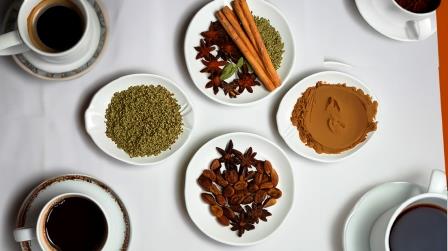
Modern brewed coffee is usually a blend of two varieties: Arabica and Robusta. Arabica gives the drink a pleasant acidity with a noble bitterness in the aftertaste, while Robusta is the main source of caffeine—an antioxidant that provides an energizing effect by briefly increasing blood pressure and heart rate.
To add new and interesting flavor and aroma notes to coffee, the following spices are most commonly used:
- Cinnamon – enhances the natural sweetness of coffee and adds a warm, spicy character, with chocolate and clove notes in its aroma. It contains vitamin A, most B vitamins (B1, B2, B4, B5, B6, B9), as well as vitamin C, and vitamins E, K, and PP (niacin). Cinnamon helps speed up metabolism, boosts immunity, suppresses putrefactive processes in the intestines, and prevents bloating, colic, and excessive gas formation;
- Ginger (dried) – makes coffee more aromatic, adding subtle sweetness and a light, barely noticeable acidity to the taste. Ginger is rich in vitamins C, K, E, B1, B2, and B3, as well as biologically active compounds such as gingerol, shogaol, citral, and terpenes. These substances participate in most metabolic processes and improve gastrointestinal function. Ginger is also one of the best natural immunomodulators, helping the body respond faster to viruses and bacteria. It is beneficial for flu, colds, and acute respiratory infections, as it облегчает breathing and accelerates the removal of mucus from the respiratory tract;
- Black Cumin (Nigella sativa) – emphasizes coffee’s bitterness and adds sharp, spicy, and slightly pungent notes. It is one of the most popular beverage spices in Norway, Sweden, and other Northern European countries. Black cumin seeds contain vitamins A, E, F, D, vitamin C, B1, B3, and B6, as well as phospholipids, amino acids, enzymes, and other bioactive substances involved in metabolic processes. Consuming black cumin helps strengthen immunity, reduce inflammation, and relieve symptoms of irritable bowel syndrome, colic, and bloating caused by incomplete digestion and intestinal stagnation;
In addition to these three spices, ground black pepper and/or salt are sometimes added to coffee. They highlight the bitterness of Robusta without overpowering the acidity of Arabica.
As a rule, a single pinch of cinnamon, ginger, or black cumin is enough to enhance coffee’s aroma and flavor. It is not recommended to add several spices at once, as they may overpower each other’s scents.
Black cumin from CraftOil – one of the best spicy additions to coffee
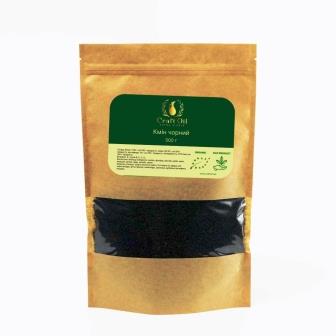
CraftOil offers a wide and constantly expanding range of healthy products, including raw (organic) oils, flours, grains, seeds, and nuts of various varieties. On our website, you can order certified kalonji (black cumin) seeds and natural flour made from them, produced in-house using stainless steel mills.
Our black cumin is not treated with preservatives or agrochemicals, is stored under ideal conditions, and is packaged in eco-friendly paper bags only after an order is placed. We ship across all regions of Ukraine and Europe, guaranteeing freshness, premium quality, and 100% natural products.
Would you like to learn more about the health benefits of our black cumin, or about flour and oil made from it? Simply leave a request on our website and wait for our feedback.


