


 +38 068 277 99 23
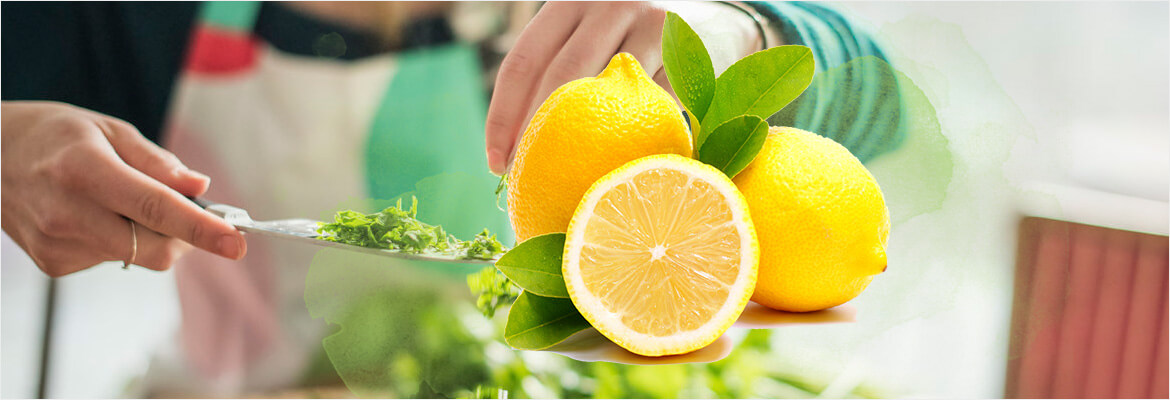


Sauces and gravies are not just additions to dishes — they are essential elements that transform ordinary meals into true culinary masterpieces. They enhance texture, improve presentation, and make food more aromatic, juicy, and visually appealing.
Sauces have existed for as long as cooking itself. One of the earliest known sauces was fish-based and originated in Ancient Rome. It was called garum and was served with almost everything — from porridge to bread.
The Chinese are credited with creating the world-famous soy sauce, with the earliest records of its recipe dating back to the 8th century BC.
To learn how to use soybean oil instead of sauce, watch our video:
France is considered the birthplace of «classic sauces». In the 14th century, chef Guillaume Tirel, also known as Taillevent, developed the concept of «liquid seasonings», laying the foundation for iconic sauces like velouté, béchamel, and tartar.
Types of sauces: classification

All sauces can generally be divided into two main categories: cold or hot.
Cold sauces include:
- Dressings (salad dressings): Made from mayonnaise, sour cream, yogurt, kefir, vinegar, lemon juice, or vegetable oils combined with herbs like dill, parsley, cilantro, or basil;
- Dips: Thick sauces used for dipping or spreading in sandwiches and snacks. Common ingredients include garlic, black pepper, chili, and spices. A popular example is guacamole, made from avocado, tomatoes, lime juice, red onion, garlic, and pepper;
Hot sauces can be served with finished dishes or used during cooking. Meat, fish, and vegetables are often stewed or baked in sauces like tomato or cream-based gravies.
These sauces are typically cooked (boiled or sometimes steamed) and should be consumed warm within a few hours after preparation.
Common bases include meat, fish, or vegetable broths, milk, cream, or sour cream an butter or vegetable oils. To thicken sauces, flour or starch is added. Flavor enhancers may include tomatoes, capers, wine, herbs and spices.
Sauces can also be categorized by consistency (liquid or thick), taste (sweet, sour, spicy, or sweet-and-sour) and purpose (cooking vs. serving). Understanding these characteristics is key to choosing the right sauce.
How to pair sauces with food
Meat: almost all sauces work well except fish-based ones. A great homemade option is a Georgian-style tomato sauce made with tomato paste, sautéed onions, garlic, and herbs.
Poultry (chicken, duck, goose): pairs well with spicy tomato sauces or creamy and mushroom-based gravies that enhance juiciness and flavor.
Fish: best served with sauces based on fish or chicken broth. White fish pairs well with béchamel, while red fish works with teriyaki.
A more exotic pairing is fried red fish with oyster sauce.
Pasta: almost any sauce works — tomato, cream, vegetable, or mushroom. Ketchup remains a classic pairing, even in Italy.
Salads: homemade dressings are ideal, especially when made with natural, unrefined «extra virgin» oils for maximum flavor and health benefits.
Best ingredients for sauces from CraftOil

High-quality ingredients make all the difference. Natural spices, herbs, and cold-pressed oils can elevate any sauce, adding depth, aroma, and unique flavor notes.
Using dried herbs like dill, parsley, cilantro, basil, or spices such as marjoram and savory enhances both cold and hot sauces. Oils like sesame, chia, or poppy seed oil are excellent bases for dressings and marinades.
Choosing the right sauce is an art that combines knowledge of flavors, textures, and ingredients. Whether you’re preparing a simple homemade meal or a gourmet dish, the right sauce can completely transform your cooking experience.


