


 +38 068 277 99 23


Papaya (Pawpaw) is a popular tropical fruit grown not only in its native regions of Central and South America and Mexico but also in many other areas with tropical and subtropical climates. It’s widely used in cooking — eaten fresh, added to salads, or used as a base for sweet-and-sour sauces.
From papaya seeds, a valuable raw oil is extracted — a natural product with unique cosmetic and healing properties, thanks to its rich chemical composition.
Composition and benefits of papaya seed oil
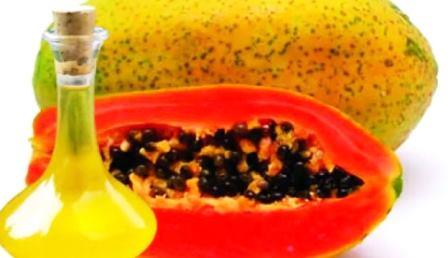
The oil extracted from papaya seeds has a light-yellow color and a distinct floral–fruity aroma with spicy, peppery notes. Interestingly, papaya seed oil cannot be classified as either a liquid oil or a butter — at temperatures between +30°C and +35°C (86–95°F), it takes on a semi-solid consistency.
Papaya seed oil contains:
- Fatty acids (up to 65% oleic and up to 20% palmitic);
- Bioactive enzymes (papain and chymopapain);
- Antioxidants (vitamins A and E);
- Benzyl glucosinolate — a rare compound known for its anti-cancer and anti-tumor effects;
- Ascorbic acid (vitamin C);
When applied externally, papaya oil for skin helps improve complexion, lighten dark spots and freckles, and deeply moisturize and smooth the skin. It also slows down the signs of aging.
Vitamin A in papaya oil stimulates collagen production, improving skin elasticity and reducing fine lines.
The enzyme papain gently dissolves excess sebum, helping balance oily skin and prevent clogged pores.
Papaya oil for hair nourishes the roots, stimulates growth, and regulates scalp oiliness. It effectively combats dandruff caused by overactive sebaceous glands.
How papaya oil is made
Pure papaya seed oil is obtained through the cold-pressing method, using specialized hydraulic presses with barrel molds. The raw material used is dried (unroasted) papaya seeds.
The highest-quality oil is produced by pressing whole papaya seeds. Some manufacturers grind the seeds into powder first to increase yield, then filter the oil mechanically. Though visually similar to raw oil, this type contains fewer nutrients and has lower cosmetic value.
You can also find extracted (refined) papaya oil on the market — it’s almost transparent and odorless. However, it lacks vitamins A and E, fatty acids, and antioxidants, which are destroyed by the high temperatures used in extraction. Moreover, such oil may contain trace residues of solvents, making its health benefits questionable.
It’s absolutely possible to make 100% natural, cold-pressed papaya oil at home. All you need is a press, a barrel (mold), and papaya seeds.
For the best results, use CraftOil brand oil presses — they are perfect for both home and small-scale production.
CraftOil presses — professional equipment for homemade and commercial oil production
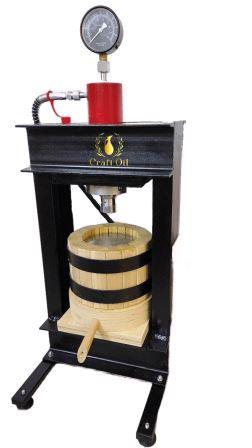
CraftOil specializes in organic cold-pressed oils and offers not only a wide range of eco-friendly natural products but also certified oil-pressing equipment. On the company’s website, you can easily find presses suitable for both domestic and industrial use.
For home oil making, the following models are ideal: 20-ton channel press, 30-ton dismountable hydraulic press and 30-ton sheet press, and others.
For small business or commercial production, consider: 50-ton Combo hydraulic press, 30/30-ton twin hydraulic press and other professional-grade models. All presses come with a 1-year warranty and include everything you need to start pressing your own cold-pressed oils.
To learn more or select the right model for your needs, simply submit a request on our website.


