


 +38 068 277 99 23



Statistics show that every eighth person suffers from some form of obesity. Excess weight is not only unaesthetic but also harmful to health. Shortness of breath, rapid heartbeat (tachycardia), and high blood pressure attacks are just some of the conditions overweight men and women face.
Interestingly, until the 1950s, scientists believed that fat was needed only for thermal insulation and triglyceride storage. Later, a new form of obesity was discovered — known as android obesity or abdominal obesity. It turned out to significantly increase the risk of type 2 diabetes and atherosclerosis.
By the 1980s, doctors introduced the concept of metabolic syndrome (also called “Syndrome X”). They found that fat accumulation in the belly and waist area is not just a result of body morphology but also a sign of deeper functional disorders in the body.
Subcutaneous fat vs. visceral fat

Fat plays an important role in the human body — it supports the skin’s protective barrier, provides energy, and regulates heat exchange. However, there is a big difference between subcutaneous fat and visceral fat (internal fat).
Visceral fat is stored around the internal organs and differs from subcutaneous fat by the type of fat cells (adipocytes). It has higher lipolytic activity, meaning it breaks down faster but is also more sensitive to insulin and other hormones. Excessive accumulation of visceral fat disrupts metabolism and complicates the work of all internal organs.
Recent studies show that too much visceral fat in the abdomen significantly increases the risk of both benign and malignant tumors. It is often linked to breast, uterine, pancreatic, and colorectal cancers.
How to reduce visceral fat naturally
The best natural «helper» against internal fat is dietary fiber. Just 10 grams of fiber per day can reduce visceral fat by 3.7% over 5 years. Fiber swells in the stomach, forms a gel-like structure, slows down digestion, and provides a long-lasting feeling of satiety. This helps control appetite and prevents overeating.
Fiber also improves intestinal motility, preventing constipation, bloating, and fermentation processes. Foods rich in fiber include nuts, seeds, and whole grains.
Another key ally in reducing visceral fat is unsaturated fatty acids (omega-3, omega-6, omega-9). They improve insulin sensitivity, support digestion, and regulate metabolism. The best sources of omega fatty acids are cold-pressed oils such as flaxseed, hemp, sesame, and pumpkin seed oil.
In contrast, refined oils contain almost no omega fatty acids but do contain trans fats, which trigger inflammation and promote visceral fat growth.
Unlike subcutaneous fat, visceral fat cannot be eliminated by diet or exercise alone. The only effective solution is a balanced diet that includes nuts, grains, seeds, and raw plant oils.
CraftOil products – the basis of a healthy diet
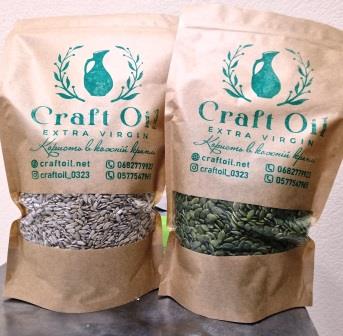
For many years, CraftOil™ has been producing artisanal cold-pressed oils and offering a wide range of healthy products: nuts, seeds, oils, and flours. In our catalog, you will find: aromatic sesame oil, sweet and delicate almond oil, fresh and mild flaxseed oil, hemp oil, black cumin oil, chia oil and more.
You can also order sesame seeds (white and black), mustard seeds, amaranth, sweet almonds, apricot kernels, pumpkin seeds (hulled and unhulled), and many other nutritious foods.
All CraftOil products are 100% natural and certified. Our oils, nuts, and seeds help optimize metabolism and reduce visceral fat levels.
Want to learn more? Not sure which oil suits you best? Still choosing which seeds or nuts to try? Our consultants are always ready to help — simply leave a request on our website.


