


 +38 068 277 99 23


Lotus seeds come from one of the most ancient aquatic plants on Earth, which already existed during the Cretaceous period — long before humans appeared, when dinosaurs still roamed the planet. Beyond their beautiful appearance, the lotus plant offers remarkable health benefits.
The fruits (seeds) of lotus have traditionally been used in herbal medicine to boost immunity, fight respiratory and inflammatory diseases, and reduce swelling caused by kidney and urinary system disorders.
Nutritional value and health benefits of lotus seeds
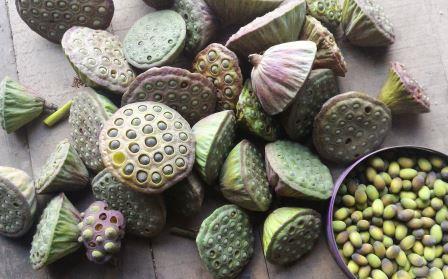
The health benefits of lotus seeds are based on their exceptionally rich biochemical composition. They contain:
- Trace elements: zinc, iron, copper, manganese;
- Macronutrients: sulfur, sodium, phosphorus, magnesium, potassium, calcium;
- Saturated fatty acids: palmitic acid, myristic acid;
- Omega fatty acids: omega-3, omega-6, omega-9;
- Alkaloids: nuciferine, neferine;
- Vitamins: A, PP (niacin), C;
- Esters;
- Flavonoids: quercetin, kaempferol, nelumboside, isoquercitrin;
Regular consumption of lotus seeds helps increase overall vitality, supports kidney and digestive system health, stabilizes heart rhythm, and prevents sudden spikes in blood glucose levels.
In ancient times, healers recommended lotus seeds to people recovering from serious or prolonged illnesses, those with poor appetite, chronic fatigue, apathy, and low energy levels.
In modern medicine, lotus seeds are valued for their calming and anxiolytic properties, as they have a powerful anti-anxiety effect on the nervous system.
How to use lotus seeds
Lotus seeds can be eaten raw, boiled in salted or sweet water, or used to prepare infusions, decoctions, pastes, and other remedies. They are a popular ingredient in Indian cuisine and are commonly added to spreads, pastes, and sandwich fillings.
For diarrhea: soak 1 tablespoon of lotus seeds in 100 g of warm water, add 1 teaspoon of sugar, boil until cooked, and consume 1–2 teaspoons throughout the day.
For insomnia and nervous tension: pour 250 ml of boiling water over 1 teaspoon of lotus seeds, simmer for about 5 minutes over low heat, strain after cooling, and drink one-third of a glass three times a day (morning, afternoon, and evening).
Tea made from lotus seeds is known to support fertility. In China, lotus has long been considered a symbol of fertility and prosperity.
Like any natural product, lotus seeds have certain contraindications. They are not recommended during pregnancy due to the risk of increased uterine tone. People suffering from hypoglycemia (low blood sugar levels) should also avoid consuming them.
Despite their benefits, lotus seeds are a rare and hard-to-find product. They are seldom available in stores or pharmacies and can be difficult to source online.
An excellent and equally nutritious alternative to lotus seeds includes fresh raw seeds and nuts of various varieties. These products are rich in vitamins, minerals, micro- and macronutrients, all essential for the proper functioning of the human body.
Nuts and seeds from CraftOil — the foundation of a healthy diet
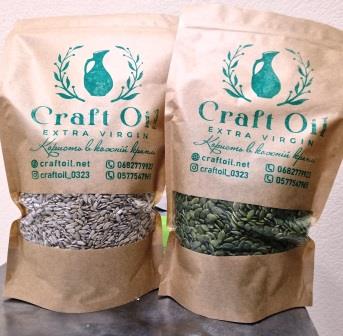
CraftOil™ offers a wide and regularly updated selection of organic products, including cold-pressed oils, flours, as well as a variety of raw nuts and seeds. Available for order at CraftOil: pumpkin seeds (hulled and in shell), white, yellow, and black mustard seeds, white and black sesame seeds, golden and curly flax seeds, sweet almonds, hazelnuts, apricot kernels and more.
All seeds and nuts are stored under optimal conditions, and their quality is confirmed by certificates. Products are packaged only after an order is placed, shipped promptly across Ukraine and Europe, and guaranteed to be premium quality, fresh, and full-flavored.
To learn more about our products or to place an order, please leave a request on our website.


