


 +38 068 277 99 23


The bird cherry tree is widespread and undemanding to climate conditions. During blooming, it’s covered with beautiful white blossoms that release a strong sweet, vanilla-like aroma. The juice of bird cherry berries is known for its powerful antibacterial properties. Historically, during World War II, it was even used by doctors to disinfect wounds when medications were scarce.
Bird cherry flour is a rare yet highly nutritious superfood made from the dried berries of the bird cherry tree. In this article, we’ll explore its health benefits, nutritional value, culinary uses, glycemic index, and the best gluten-free flour alternatives.
What is bird cherry flour and how is it made?
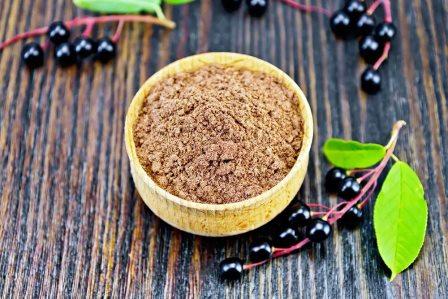
Bird cherry flour is made from dried bird cherry berries. The berries are carefully sorted, dried in a dehydrator or oven, and then ground into a fine powder using a blender, coffee grinder, or mortar and pestle.
The result is a rich reddish-brown powder with a mild nutty aroma and a soft, neutral taste with subtle cocoa-like bitterness. It is naturally gluten-free and has a low glycemic index (around 20), making it suitable for people with diabetes or prediabetes.
Nutritional composition of bird cherry powder
Bird cherry flour is valued for its rich biochemical profile. It contains:
- Organic acids (citric and malic) that support metabolism and immune function;
- Vitamin C, a powerful immune booster;
- Vitamin E, a strong antioxidant that protects against free radicals;
- B vitamins (B1, B6, B9) that support the nervous system, brain function, and blood formation;
- Tannins, which help reduce inflammation and promote tissue healing;
Additionally, it provides essential minerals such as iron, fluorine, zinc, cobalt, phosphorus, manganese, copper, potassium, and calcium. These nutrients are crucial for proper metabolism and overall body function.
Health benefits of bird cherry flour
Bird cherry berry powder is known for its anti-inflammatory properties, astringent effect (beneficial for digestive health), antibacterial action and gut-supporting qualities.
In traditional herbal practices, it has been used to support digestive health, relieve intestinal inflammation, help with colitis, ease stomach ulcer discomfort, and manage diarrhea or bloating.
A bird cherry flour infusion (2 tablespoons per 250 ml boiling water) may help reduce gas and bloating. Bird cherry jelly (5 tablespoons per 200 ml water, simmered for 5–6 minutes) is traditionally used to ease nausea and food poisoning symptoms. Its coating texture gently soothes the stomach lining.
Bird cherry flour is traditionally used as a filling for pies and pastries. an ingredient added to dough for a chocolate-like flavor and a natural coloring agent for baked goods.
It gives baked products a pleasant brown hue and a subtle cocoa-like taste without added chocolate. It pairs well with honey, nuts, dairy products, and gluten-free baking recipes.
What can replace bird cherry flour?
Because bird cherry flour is rare and hard to find, you can substitute it with more accessible gluten-free flours such as: buckwheat flour, almond flour, flaxseed flour and corn flour (with a small amount of cocoa powder for color and flavor).
Almond flour supports bone mineralization and musculoskeletal health. Flaxseed flour, like bird cherry flour, has anti-inflammatory and digestive-supporting properties.
CraftOil organic flour – a healthy alternative
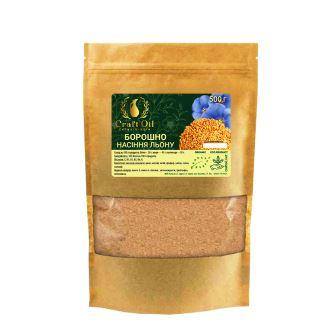
CraftOil offers a wide and regularly updated selection of artisanal flours, cold-pressed plant oils, grains, seeds and nuts. Their catalog includes almond flour, flaxseed flour, as well as sesame, mustard, black cumin and milk thistle flour.
All flours are produced on certified branded mills from oil cake remaining after cold pressing. CraftOil flour is 100% natural and rich in vitamins, minerals, and biologically active compounds.
To learn more about the health benefits or place an order, visit the official CraftOil website.


