


 +38 068 277 99 23


Margarine is one of the most popular dairy-based products that has been used in cooking for decades. It is significantly cheaper than butter and can easily replace it in shortcrust, puff pastry, and even yeast-based baking. Adding margarine makes dough more pliable, while finished baked goods turn out fluffy, soft, and literally melt in your mouth.
Contrary to the widespread belief, high-quality margarine is not harmful — on the contrary, it can be quite beneficial for human health.
Health benefits of margarine
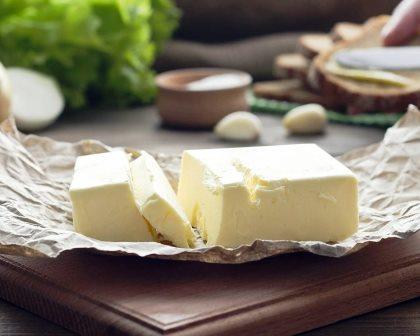
The nutritional value of margarine is explained by its composition. A “proper” margarine is made from milk with the addition of one or two vegetable oils (less often animal fat). It contains:
- About 20% unsaturated fatty acids;
- Vitamins A, D, E, and B3 (PP);
- Minerals such as potassium, magnesium, phosphorus, calcium, and sodium;
Consuming margarine does not increase levels of «bad» cholesterol; moreover, it helps stabilize heart rhythm and has a positive effect on skin and hair health.
Perhaps the only drawback of margarine is the presence of trans fats, which are formed during the oil hydrogenation process. These compounds can trigger inflammatory processes, increase the body’s vulnerability to free radicals, and significantly raise the risk of chronic disease flare-ups.
People with hypertension, diabetes, or lactose intolerance are advised to replace margarine with other products. The choice of an alternative depends on taste preferences and the type of dish being prepared.
Best margarine substitutes
When baking shortbread cookies, muffins, or tart shells, margarine can be replaced with applesauce in a 1:1 ratio. If the applesauce is very sweet, reduce the sugar in the recipe by half a teaspoon.
In sponge cakes and sweet pastries, margarine can be substituted with nut butter made from walnuts, almonds, or peanuts. This not only adds a delicate nutty flavor but also increases nutritional value. However, you’ll need to use twice as much nut paste. Due to the high fat content of nuts, baked goods may turn out denser and more moist.
A universal substitute for margarine is vegetable oil. Oils are added to dough in a 1:1 ratio and give it elasticity and structure. Poppy seed oil, almond oil, and apricot kernel oil are ideal for sweet baked goods, while mustard oil and sesame oil work best for savory pastries. Pizza dough is best made with olive oil, or alternatively with chia seed oil or camelina oil.
For those who enjoy sandwiches with margarine, vegetable oils can also be used instead. Half a teaspoon of oil per slice of bread is sufficient — simply spread it evenly. Optionally, sprinkle chopped herbs or sesame seeds on top.
As dressings for side dishes such as porridge or potatoes, oils with a neutral, mild flavor are optimal — for example, corn oil, sunflower oil, or camelina oil.
Unlike margarine, raw cold-pressed vegetable oils contain no trans fats, artificial colors, stabilizers, or other harmful additives, and are exceptionally beneficial for overall health.
Natural oils by CraftOil — the best alternative to margarine
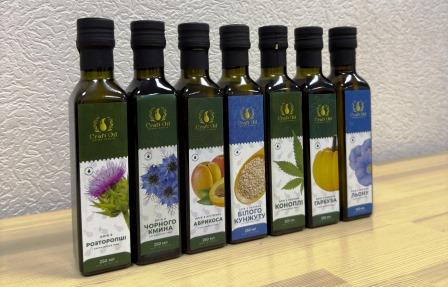
CraftOil offers an extensive selection of artisan cold-pressed oils. On our website, you can always order fresh flaxseed oil, poppy seed oil, black cumin oil, camelina oil, as well as almond oil, walnut oil, and many others.
We press our oils using our own branded equipment and only certified, eco-friendly raw materials — grains, seeds, and nuts of various varieties. Our oils are truly “live” products, rich in omega fatty acids, vitamins, minerals, and essential micro- and macroelements.
To learn more about their health benefits or to place an order, simply leave a request on our website.


