


 +38 068 277 99 23



Soy sauce is a product that has become popular not only in its homeland, China, but also all over the world. Originally, it was made from boiled soybeans, ground and mixed with wheat or barley. Then salt and water were added, and the mixture was left to ferment under pressure. The liquid released during this process became soy sauce.
A brief history of soy sauce
The «ancestor» of modern soy sauce is considered to be a product called jiang, which in Old Chinese meant everything made from legumes. In the 6th century AD, Buddhist monks brought this salty seasoning to Japan, where it was named shoyu. The Japanese refined the fermentation process and improved the flavor. It is known that on the imperial table during the Nara and Heian periods (8th century), four condiments were always present — one of them being shoyu.
Benefits and uses of soy sauce

Soy sauce is one of the best bases for marinades for meat, fish, and poultry. It can replace salt in warm and cold vegetable salads and is even used in confectionery for making salted caramel.
The main advantage of this product is that it helps reduce salt consumption while keeping dishes flavorful and aromatic. Nutritionists note that using soy sauce can reduce daily salt intake by 30%.
Like all fermented foods, soy sauce supports digestion and prevents bloating and harmful processes in the intestines. The polysaccharides found in high-quality, natural soy sauce can even reduce seasonal rhinitis symptoms and ease swelling of the respiratory tract.
But what if you run out of soy sauce — or have an allergy? Luckily, there are many soy sauce substitutes you can make at home.
Top 3 best soy sauce alternatives
When choosing a soy sauce substitute, consider the flavor of the dish you’re making. Here are three simple and delicious options:
- Vinegar-based substitute. Mix 3 tbsp balsamic vinegar with 50 g sunflower oil and the same amount of water. Add 1 minced garlic clove and stir well;
- Olive brine marinade. Use the brine from black olives (preferably with pits for a richer taste). For spiciness, add 2 tsp mustard oil and a pinch of black pepper;
- Mushroom alternative. Combine mushroom broth (preferably from wild mushrooms) with camelina oil in equal proportions. Add a pinch of dried ginger root powder and a little sea salt (iodized if possible);
For salads or lean meat marinades, you can also mix any vegetable oil with minced garlic, salt, and a pinch of allspice. For 50 g of oil, use half a garlic head, 1 tsp salt, and pepper to taste.
Fresh cold-pressed oils by CraftOil – a healthy base for marinades and sauces
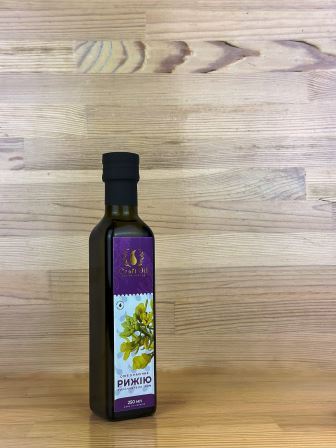
CraftOil is a Ukrainian producer of organic, small-batch vegetable oils. Their range includes delicate camelina oil, spicy mustard seed oil, and fresh sunflower oil. Each oil is cold-pressed on certified presses on the day the customer places the order.
The oils never touch metal, do not oxidize in air, and are immediately bottled in dark glass bottles of different sizes to preserve freshness and nutrients. These are 100% natural products — flavorful, aromatic, and healthy.
Want to know more? Not sure which oil to choose? CraftOil managers are ready to help — just leave a request on the website.


