


 +38 068 277 99 23



Autumn depression (also known as seasonal affective disorder) is a common phenomenon. Most often, it’s associated with shorter daylight hours, lower temperatures and worsening weather conditions. All of these factors affect the human body, particularly the brain and central nervous system.
However, recent research in neurobiology shows that external factors are not the only cause of low energy, apathy, and even suppressed emotional states. One major trigger is Omega-3 deficiency — a group of essential polyunsaturated fatty acids that play a key role in metabolic processes.
Scientific studies on the impact of omega-3 on mental health
Omega-3 includes several important acids: alpha-linolenic (ALA), eicosapentaenoic (EPA), docosahexaenoic (DHA), and docosapentaenoic (DPA). Each of them contributes to healthy metabolism and stable emotional balance.
From 2008 to 2014, researchers in Brazil conducted a large-scale study (ELSA-Brasil) involving 13,879 adults aged 39 to 65. The results showed that participants who consumed sufficient amounts of unsaturated fatty acids from food (not supplements) were significantly less likely to experience depressive episodes.
Later, a similar study in the UK, published in Molecular Psychiatry (Springer Nature), revealed the mechanism of how Omega-3 supports brain health. The effect is linked to the production of lipid mediators (lipoxygenases and cytochrome P450) acting on hippocampal cells — the part of the brain responsible for memory and building cause-effect relationships.
Moreover, scientists confirmed that depression is associated with inflammation. Blood tests of depressed individuals show specific inflammatory markers. This discovery suggests that in the near future, doctors may use such tests to decide whether patients need antidepressants or an Omega-3 complex.
Further studies by scientists in the UK, Taiwan, and Italy (led by C. Pariante) concluded that Omega-3 helps prevent reduced neurogenesis and apoptosis — processes that trigger depression in the human brain.
Thus, maintaining adequate levels of Omega-3 fatty acids is an effective way to prevent mood disorders, including the well-known autumn blues.
Best natural sources of omega-3
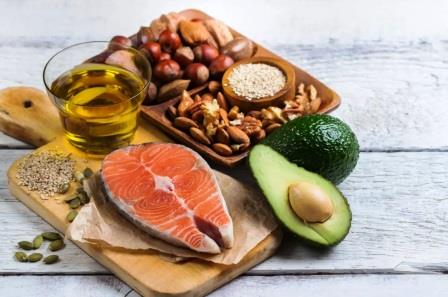
Traditionally, fatty fish and seafood are considered the richest sources of Omega-3: salmon, trout, shrimp, mussels, and seaweed. However, flaxseeds and cold-pressed flaxseed oil contain even higher concentrations of essential fatty acids.
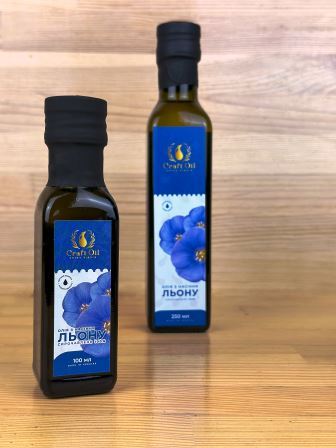
For comparison: 100 g of Atlantic salmon contains about 2.68 g of Omega-3, trout — 0.94–1.3 g, but just 1 tablespoon of raw flaxseed oil contains 7.26 g of Omega-3, and 1 tablespoon of ground flaxseeds — 1.59 g.
That makes flaxseed oil and seeds one of the most powerful natural ways to support mental well-being, energy, and overall health.
Flaxseeds and flaxseed oil from CraftOil – natural support against seasonal depression
CraftOil produces raw, organic, cold-pressed plant-based oils and offers a wide range of natural health products. Our catalog includes fresh flaxseed oil with a delicate flavor and zero bitterness, as well as certified curly flax and golden flax seeds grown without pesticides or preservatives.
Our oils and seeds are 100% natural products, helping to replenish Omega-3 deficiency and protect against fatigue, low mood, and seasonal depression.
Learn more about the benefits of flaxseed oil or place an order directly on our website.


