


 +38 068 277 99 23
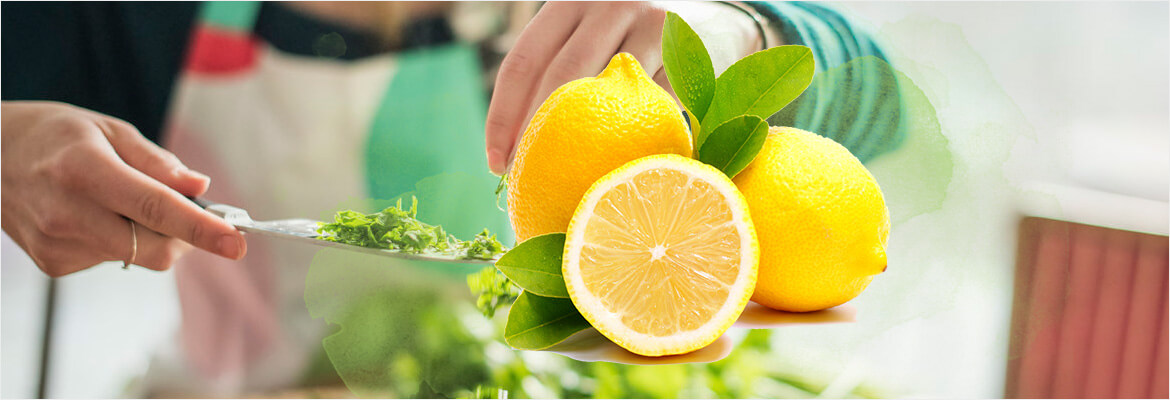


Vegetable oils have traditionally been widely used in cooking. They are added to salads, side dishes, sauces, gravies, and marinades. In addition, sunflower, olive, corn, sesame, and other oils are commonly used for frying, stewing, and baking meat, fish, vegetables, and more.
It often happens that after cooking pancakes, cheesecakes, cutlets, or other dishes in a frying pan, a small amount of oil remains. The vast majority of housewives simply pour it down the sink and then thoroughly wash the pan. However, this is not entirely correct.
Raw vegetable oils should indeed not be reused for cooking, but they can still be effectively used for other household purposes.
What to do with oil left after frying
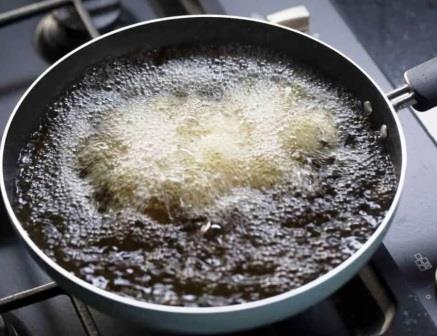
Oil that is no longer suitable for culinary use can be turned into an effective wood furniture polish. To do this, simply strain 1 cup of the oil through cheesecloth folded in two layers and mix it with ¼ cup of 9% table vinegar. If possible, add 2–3 teaspoons of freshly squeezed lemon juice.
Filtered oil with food residues removed is also suitable for making an anti-static dust cleaner. Mix 1 cup of lukewarm water with 1 tablespoon of oil and ½ cup of vinegar, adding 2–3 drops of lemon, grapefruit, or other citrus essential oil. Shake the mixture well and spray it onto the surface to be cleaned.
Used cooking oil is also one of the best products for improving soil structure, especially clay soil. Mix it with water at a ratio of 1 cup per bucket of water and use it for watering plants. Alternatively, it can be added to compost used for fertilizing the soil.
Oil is a source of organic carbon, which is essential for soil microorganisms to function properly. In addition, fat particles act as a kind of binding agent, helping small soil particles form tiny clumps, which improves aeration and drainage.
Why raw oils should not be reused for frying
When unrefined vegetable oil is reheated, its chemical composition changes. Toxic substances such as acrolein and other aldehydes are formed, including formaldehyde and acetaldehyde.
When these compounds enter the human body, they can suppress immune cell activity, irritate the mucous membranes of the gastrointestinal tract, disrupt digestion, and significantly increase the risk of developing stomach ulcers, pancreatic ulcers, and duodenal ulcers.
In addition, reheated oil forms trans fats. These are not properly absorbed by the body but contribute to an increase in «bad» cholesterol (LDL) in the blood, raising the risk of atherosclerosis and other serious cardiovascular diseases.
For food use, only fresh, natural, cold-pressed raw oils are suitable. To produce them at home, special equipment is required: an oil press, barrel, and high-quality eco-friendly seeds or grains of oil crops.
Oil press equipment and raw materials from CraftOil
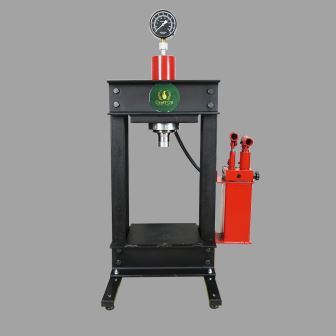
CraftOil offers everything needed for the independent production of delicious and exceptionally healthy vegetable oils. Our catalog features an excellent range of products and equipment for oil making.
The 20-ton channel press, 20-ton sheet press, dismountable 30-ton hydraulic press, double 30/30-ton press, and other models are perfect for household use. These compact and easy-to-use units fit conveniently in a kitchen, garage, shed, or utility room.
For those who want to turn oil production into a profitable business, the 50-ton Italian press, 50-ton Combo press, and the powerful 70-ton Austrian press are ideal. They produce oil in volumes sufficient for small and medium wholesale production.
CraftOil also offers flax seeds, sesame seeds, amaranth, black cumin (Nigella sativa), camelina, hull-less pumpkin seeds, sweet almonds, cashews, peanuts, apricot kernels and many other seeds and nuts for oil extraction.
All raw materials undergo strict quality control and are stored under optimal conditions. We supply our presses with everything necessary for operation, provide a 1-year warranty on every model, and offer full support with installation, startup, and maintenance.
To learn more about why producing oil independently is both convenient and profitable, submit a request on our website.


