


 +38 068 277 99 23



A beehive is one of the most important accessories in modern beekeeping. The comfort and health of bees – and therefore the efficiency of honey collection – directly depend on the hive’s quality. Alongside traditional models such as the horizontal hive or the «horned hive», there are also less common types, including the solar hive. This innovative hive was invented by German beekeeper Günther Münke, who spent many years studying the behavior of bee colonies in both natural and domestic conditions.
Features of the solar hive
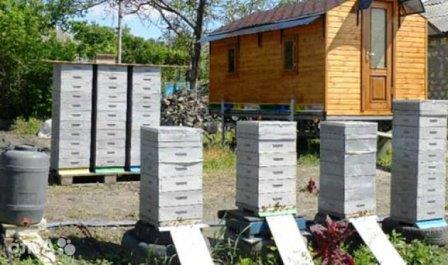
The solar hive (Weissenseifener Haengekor) received its name for a reason: its frames have a semicircular shape, resembling a sunset. The supporting structure of this beekeeping hive is made of wood, while the walls and roof are crafted from rye straw. Traditionally, Münke suspended the hive 2.5 meters above the ground to prevent mold and dampness.
The modern solar hive combines the functions of a hive and a solar heater (or frame dryer). Structurally, it is a wooden box with a transparent polycarbonate or glass roof. Inside, beekeepers place frames with wax foundation, honey, or combs. Heating with sunlight makes it possible to:
- Dry frames after honey extraction;
- Melt beeswax;
- Disinfect combs without chemicals;
Such a solar beekeeping hive is especially useful for weakened bee colonies, creating a warm and comfortable microclimate. On sunny days, the temperature inside can reach up to 70°C – ideal conditions for bees to regain strength and prepare for honey collection.
How to use a solar hive effectively
Like all hives, the solar hive has specific rules of use:
- Maximum efficiency is achieved on sunny days between 11 AM and 4 PM;
- Metal plates may be added inside to speed up wax melting (they conduct heat better);
- In the evening, the roof should be opened to remove excess moisture;
However, this hive is not suitable for drying frames filled with honey, since overheating can cause honey to ferment. Some beekeepers also install reflectors at an angle of 30–45° to capture more sunlight and improve the internal microclimate.
In fact, any hive can be transformed into a solar hive by making one wall or the roof transparent. The material used for construction greatly affects the health and productivity of bees. Among the best options are PU hives (polyurethane hives) – inert, non-toxic, eco-friendly, and offering excellent thermal insulation.
Polyurethane beehives (PU hives) from CraftOil
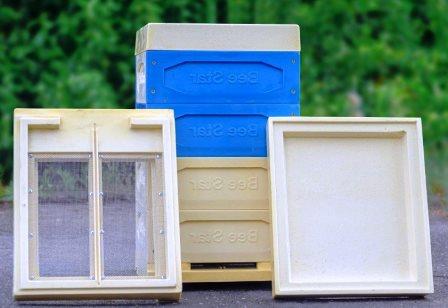
CraftOil, a manufacturer of aromatic, high-quality natural oils, also offers a wide range of certified beekeeping equipment. Our catalog includes durable and functional PU hives for different frame capacities, as well as frames and hive bodies.
Our certified polyurethane beehives are resistant to temperature fluctuations, moisture, and dampness. They do not develop mold and maintain an optimal microclimate inside the hive. Thanks to this, bee colonies overwinter more easily and start honey collection earlier in spring.
At CraftOil, you can also buy: cream mixers with decrystallizers, semi-automatic frame uncapping machines, honey filters and settling tanks, extractors (radial, chordial, and combined models).
Looking for the right PU hive or want to learn more about its advantages? Contact our consultants – they will gladly help you choose the best beekeeping solution. Simply leave a request on our website to get started.


