


 +38 068 277 99 23



Swarming instinct or bee swarming is a completely natural process in which part of a bee colony leaves the hive to create a new swarm. It is considered a kind of genetic mechanism for preserving and increasing the bee population.
Bees tend to swarm when favorable conditions for colony development are present in the hive, but certain limiting factors prevent further expansion. To avoid swarming, beekeepers should eliminate the conditions that push bees to search for a new place to live and relocate.
How to recognize swarming behavior in bees
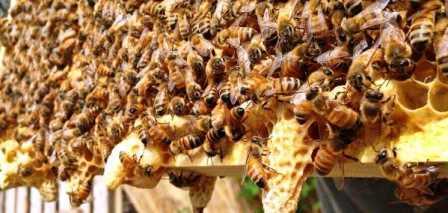
It is not difficult to identify when a bee colony enters a swarming state. The following signs indicate swarming behavior:
- Bees gather in «beards» under the hive entrance or on the inner walls of the hive;
- No new honeycombs are being built;
- Even on warm, sunny days, bees rarely fly out to collect pollen and nectar;
- Queen cells are being built (especially if there are 7 or more);
In spring, particularly during the second half of April and throughout May, hives should be inspected at least once a week. Careful monitoring of colony behavior helps detect swarming early and prevent it by creating more comfortable living conditions for the bees.
Main causes of bee swarming
The main factors that trigger swarming instinct in bees include:
- Limited resources. A lack of pollen and nectar, especially in late spring when young bees actively begin collecting food;
- Cold spring weather. Frosts and long periods of low temperatures prevent bees from flying out, leading to overcrowding inside the hive. Bees become cramped, and younger individuals start searching for a new home;
- Strong colony growth. Rapid expansion of the bee colony causes overcrowding in one hive, creating a natural urge to divide and relocate;
- Bee breed characteristics. Some bee species are more prone to swarming than others;
- Hive quality. Hives that overheat in the sun or have poor ventilation create discomfort for bees, encouraging them to find a more suitable environment. A lack of frames also causes so-called «stress overcrowding», one of the most common reasons for swarming. A comfortable hive with enough frames and proper ventilation can reduce swarming risk by up to 50%;
How to prevent bee swarming
To prevent bees from dividing and relocating, it is important to eliminate the factors that trigger swarming behavior. Old queen bees (over two years old) should be replaced with young queens, new frames should be added regularly to reduce overcrowding, and proper hive microclimate should be maintained.
Polyurethane foam (PPU) hives are considered among the most comfortable options for bee colonies thanks to their excellent thermal insulation and moisture-resistant properties.
CraftOil PPU hives – the best homes for bees
CraftOil offers a wide range of beekeeping equipment and supplies. Our catalog includes honey extractors, cream honey mixers with decrystallizers, settling filters, and hives designed for different frame capacities.
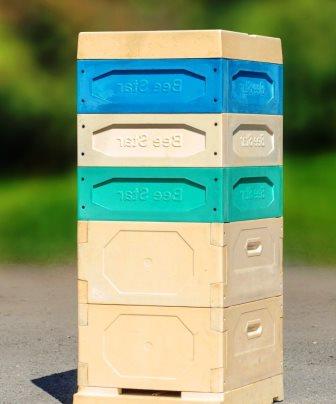
The 10-frame 300 mm hive, 10-frame 145 mm hive, 10-frame 230 mm hive, and other models are resistant to sunlight and moisture. They do not develop mold or deform even after prolonged outdoor use. In addition, these hives are lightweight, making them ideal for migratory beekeeping.
CraftOil also provides reliable oil-processing equipment, including presses with capacities from 20 to 75 tons for commercial and household use, as well as press molds with volumes from 0.5 to 5.5 liters. These certified machines allow cold pressing of raw vegetable oils from grains, seeds, nuts, and even fruit pulp.
To learn more about our products or place an order, leave a request on the official website.


