


 +38 068 277 99 23


Dill oil is, without exaggeration, a unique natural product known to humanity since ancient times, although in recent years it has been unfairly forgotten. Today, dill seed oil, dill essential oil, and cold-pressed dill oil are widely used not only in cooking, but also in herbal medicine, natural remedies and home cosmetology.
In ancient times, healers recommended infusing dill seeds and fresh dill greens in vegetable oil to help relieve infant colic, bloating and flatulence in adults. The remedy was traditionally taken before bedtime: 1 teaspoon for children and 1 tablespoon for adults.
Before the invention of modern antibiotics, decoctions and oil made from dill seeds were used for disinfecting wounds and even medical instruments. Dill oil is known for its powerful antibacterial, antifungal and natural antiseptic properties.
Benefits and uses of dill oil in folk medicine
Dill seed oil is rich in essential oils, omega fatty acids, and plant proteins. Oil obtained by infusing dill greens in a carrier oil or extracted from dill seeds through the cold pressing method contains high levels of vitamin C, vitamins A and PP, minerals and flavonoids. These compounds are essential for healthy metabolism and proper functioning of the body.
To improve digestion, it is recommended to take 0.5–1 teaspoon of dill oil 20 minutes before meals. Dill essential oil may also help suppress appetite naturally. To prevent overeating, dissolve 1–2 drops of dill essential oil oil in 100 ml of warm water before meals or snacks. Honey can be added if desired.
For breastfeeding mothers, dill seed oil is traditionally used to support lactation. Add 1 teaspoon of dill oil to warm milk tea. This natural remedy may be consumed at any time of day.
To accelerate healing of cracks, abrasions, and minor cuts (non-purulent wounds), apply dill seed oil or dill herb oil to the affected area twice daily. It may help reduce inflammation, swelling, redness and mild pain.
For hypertension, folk medicine recommends combining dill essential oil with raw cold-pressed dill oil. The essential oil can be gently massaged into the temples during episodes of high blood pressure, while the raw oil may be added to salads and cold side dishes.
Dill oil in natural skincare and cosmetology
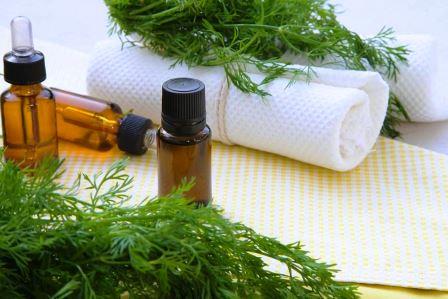
Cold-pressed dill seed oil is considered one of the most effective anti-aging natural oils. It can be added to skincare products such as creams and lotions or mixed with a carrier oil in a 1:1 ratio and applied to the face 1–2 times per week.
A combination of 1–2 drops of dill essential oil and 1 tablespoon of sour cream creates an excellent brightening mask for dry and combination skin. This mask may help reduce the appearance of pigmentation spots and under-eye puffiness.
Washing the face with diluted dill herb oil helps improve skin tone and reduce swelling. Mix 1 teaspoon of dill oil into 200 ml of warm water and rinse cleansed skin with the solution.
How to make dill oil at home
Dill essential oil is produced industrially using steam distillation technology. However, infused dill oil and cold-pressed dill seed oil can easily be made at home.
Raw dill seed oil is extracted using a specialized oil press and is considered a «live», 100% natural product.
To prepare dill herb infused oil at home mix 200 g of carrier oil with 100 g of fresh chopped dill greens or 2 tablespoons of dried dill. Stir thoroughly and leave the mixture in a dark place for two weeks. Strain the oil and store it in the refrigerator.
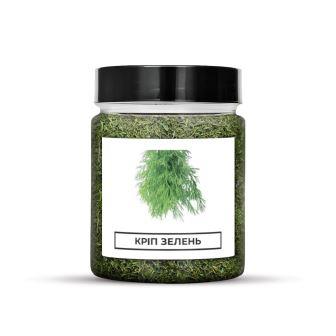
CraftOil offers everything needed for making dill oils at home. Our catalog includes certified oil presses for extracting oils from plant materials, as well as high-quality dried dill greens stored under optimal conditions without preservatives or pesticides. Our dill is ideal for preparing infused oils, as well as for culinary and phytotherapeutic purposes.
To learn more about how our oil presses work, how to make natural oils at home, or to order dried dill and other herbs and spices, leave a request on our website and our team will contact you shortly.


