


 +38 068 277 99 23


Onion is one of the most popular vegetables in the world and has been traditionally used in almost every cuisine. People started consuming onions 4,000–6,000 years ago, adding them to various dishes and even eating them raw.
Today, onion is an essential ingredient in vegetable salads, meat and fish dishes. It is stewed, fried, baked, pickled, and even dried. The latter option is especially valued for its simplicity and versatility. Dried onion can be added to soups, broths, and borscht; it perfectly enhances the flavor of stews, mushrooms, meat, as well as sea and freshwater fish. It can also be added to broth to make it more aromatic and savory.
In dried form, this pungent vegetable is a key ingredient in French onion sauce, traditionally served with pork, beef, rabbit, and lamb. Dried onion is also suitable for making pesto sauce and even tartare, because once dehydrated, onion loses its bitterness and acquires a mild, well-balanced taste.
How to dry onions
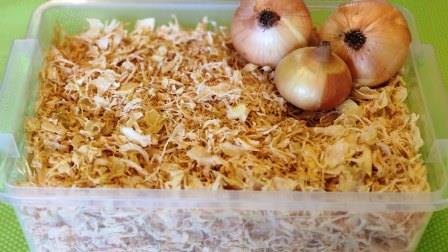
All onion varieties are suitable for drying: sweet, semi-sweet, and pungent. The main requirement is that the bulbs must be firm and free from any signs of rot. To obtain 120–150 grams of dried onion, you will need approximately 1 kilogram of fresh onion.
Peel the onions, rinse them thoroughly under running water, and dry each bulb with a clean kitchen towel or paper napkin.
Next, slice the onions into rings, half-rings, or small pieces similar to those used for frying. The cutting method depends on the intended use. If the dehydrated onion is planned to be fried or added to first and second courses, slicing into rings is recommended. For use as a seasoning or spice, finely chopping the onion is the best option.
Spread the sliced onion in a single layer on a tray and let it air-dry for about 20 minutes. Then place it in a drying cabinet (food dehydrator), set the temperature to 65°C (149°F), and dry for 8 hours. Drying time depends on the onion’s juiciness and slice thickness.
The finished dried onion should be completely dry and easily break when pressed. After cooling, transfer it to a glass or ceramic container and seal it tightly. When stored at room temperature, dried onion retains its flavor and aroma for up to six months.
Automatic drying cabinets by CraftOil — the best equipment for food dehydration
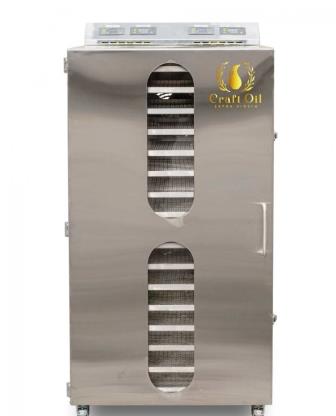
CraftOil offers not only a wide range of premium products (vegetable oils, flour, grains, and nuts) but also professional equipment for dehydrating vegetables, fruits, mushrooms, herbs, medicinal plants, as well as for making snacks, yogurts, cheeses and more.
Our drying cabinets are made of special food-grade stainless steel approved for use in food production. The SH-M and SH-M2 dehydrator models are ideal for home use. They feature multiple drying modes, an intuitive control panel, and require minimal maintenance.
CraftOil also offers commercial dehydrators designed for business purposes. These models help expand product ranges by producing meat and fish chips, ready-made vegetable soup mixes, dairy products, and more.
All CraftOil drying cabinets come with a 1-year warranty, as well as full technical support and assistance during setup. Want to learn more about our dehydrating equipment or need help choosing the right model? Simply leave a request on our website, and our managers will be happy to answer all your questions and help you select equipment you’ll be fully satisfied with.


