


 +38 068 277 99 23


Pine nuts have been known to humanity for several thousand years. They were consumed by the ancient Romans as well as by indigenous tribes of North and South America. Pine nuts were used to make medicines, body dyes, and even jewelry from their shells.
Today, Siberian pine nut seeds are widely used in cooking, herbal medicine, home cosmetics, and pharmaceuticals. They are included in dietary supplements and wellness products designed to strengthen the body and increase vitality.
In addition, cold-pressed pine nut oil is extracted from pine kernels (often mistakenly called nuts), and the remaining press cake is ground into pine nut flour, a nutrient-dense product rich in vitamins and minerals essential for normal body function.
Health benefits of pine nut flour
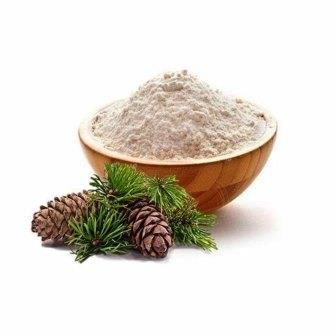
Pine nut flour, produced from pine nut press cake, contains high levels of calcium, potassium, manganese, magnesium, iron, zinc, copper, and phosphorus. It is rich in vitamin A, vitamin E (tocopherol), as well as choline, thiamine (B1), riboflavin (B2), and phylloquinone (vitamin K).
It also contains pantothenic and niacin acids, which help stimulate adrenal gland function and normalize the tone of veins and arteries.
One of the key benefits of cedar flour is its high content of plant-based protein, which supports muscle growth and provides sustained energy.
Regular consumption of pine nut flour may help to:
- Increase physical performance and endurance;
- Improve sleep quality and reduce nighttime awakenings (thanks to natural tryptophan);
- Improve blood composition;
- Prolong fertility and reproductive health;
- Normalize carbohydrate and fat metabolism, reducing the risk of excess weight;
For breastfeeding mothers, pine nut flour may help enhance lactation and increase the fat content of breast milk. For men, it is beneficial for improving potency and reproductive function.
100 grams of pine nut flour contain approximately 347 kcal. The recommended daily intake for adults is 2–4 tablespoons. Due to potential allergic reactions, pine nut flour is not recommended for children under 4 years of age.
This gluten-free flour is ideal for people with gluten intolerance and for those suffering from constipation, as it has a mild laxative effect.
How to use pine nut flour
Pine nut flour is most often added to foods and less commonly consumed on its own. It works perfectly as a natural thickener for porridge, jelly, and smoothies. Athletes frequently add it to protein shakes.
It is also well suited for baking, especially sweet pastries, as it has a delicate, slightly sweet flavor and a pleasant nutty aroma.
For those following a keto diet, pine nut flour can be used to bake special low-carb bread. Recipe: whisk 6 eggs with 60 g of softened butter, 1 teaspoon of lemon juice, and a pinch of salt. Add 150 g of pine nut flour and 1 packet of baking powder. Bake for 40 minutes at 180°C (356°F). The bread is ready to eat once cooled.
It should be noted that Siberian pine nut flour is a rare and relatively expensive product. Excellent and equally healthy alternatives include other types of flour such as hemp flour (also gluten-free), almond flour, or flaxseed flour.
Healthy organic flour by CraftOil – the foundation of wellness
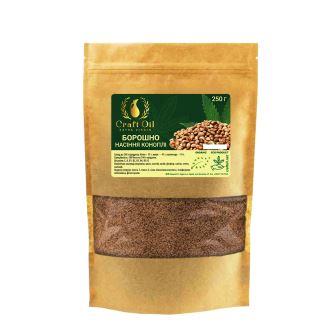
CraftOil offers premium-quality, organic nut and seed flours produced at certified stainless-steel mills using carefully selected, eco-friendly raw materials — nut, grain, and seed press cakes.
Available on our website: cesame seed flour, hemp flour, almond flour, camelina flour, mustard flour, flaxseed flour, black cumin (Nigella sativa, Kalonji) flour. All products are packaged in eco-friendly kraft paper bags with zip locks and shipped worldwide on the day of order.
Our flours, oils, nuts, grains, and seeds are «live» natural products that supply the body with essential vitamins, minerals, and biologically active compounds necessary for a healthy metabolism.
To learn more about their benefits or to choose the right product for your needs, simply leave a request on our website.


