


 +38 068 277 99 23


A stomach ulcer is a serious and, unfortunately, very common condition that is diagnosed in around 15% of the world’s adult population. There are many possible causes, including an unhealthy, unbalanced, and/or irregular diet, stress, harmful habits such as alcohol consumption, frequent use of certain medications (especially ibuprofen), and infection with Helicobacter pylori — a bacterium that damages the protective lining of the stomach, leaving it vulnerable to stomach acid.

To help prevent ulcer flare-ups and reduce symptoms, it is important to follow an appropriate diet and include foods that are gentle on and potentially beneficial for the stomach.
Dietary guidelines for stomach ulcers
People with stomach ulcers are generally advised to eat small meals frequently. Ideally, divide your daily food intake into 5–6 meals, with approximately 1.5–2 hours between meals.
It is advisable to temporarily avoid alcohol, sugary carbonated drinks, as well as fried, fatty, and spicy foods. Legumes may also need to be limited temporarily because they can be difficult to digest.
Tomatoes, tomato sauces, and gravies can irritate the stomach lining, so they are best avoided during an active ulcer flare-up.
9 most beneficial foods for stomach ulcers
To support the healing of stomach ulcers, consider adding the following foods to your diet:
- Cabbage juice. Cabbage juice is rich in vitamin U, which may support the regeneration of mucous membranes, including the stomach lining. A medical study described in the National Library of Medicine reported that people who consumed approximately 100 g of fresh cabbage juice daily experienced substantially faster ulcer healing;
- Fermented foods. These include fermented cabbage such as kimchi and kombucha. They contain lactic-acid and acetic-acid bacteria that may support digestion, improve nutrient absorption, and help maintain a healthy balance of stomach acidity;
- Green tea. Green tea contains polyphenols, particularly catechins, which may support the regeneration of the gastric mucosa. Research published in the Biological & Pharmaceutical Bulletin reported beneficial effects of catechins on gastrointestinal function, including effects relevant to the stomach;
- Honey. Honey contains compounds that may inhibit the activity of Helicobacter pylori, one of the most common causes of peptic ulcers;
- Garlic. Garlic is rich in phytoncides and other bioactive compounds with antimicrobial properties that may act against Helicobacter pylori. However, because fresh garlic can be irritating, people with stomach ulcers may find dried or cooked garlic easier to tolerate;
- Broccoli. Broccoli provides vitamins A and E, antioxidant compounds that help protect cells from oxidative stress, as well as kaempferol and other bioactive compounds. During an ulcer flare-up, steamed, boiled, or baked broccoli may be easier to tolerate than raw broccoli;
- Olive oil. Olive oil contains beneficial fatty acids as well as oleocanthal, a bioactive compound with anti-inflammatory properties. However, olive oil should be consumed as part of an overall balanced diet rather than considered a replacement for pain-relieving medication;
- Aloe vera. Aloe vera contains mucilaginous compounds that may have a soothing and protective effect on the digestive tract. However, aloe products vary considerably in composition, and oral aloe should be used cautiously because some preparations can cause gastrointestinal side effects;
- Turmeric. The main active compound in this popular Indian spice is curcumin, a biologically active substance with anti-inflammatory and antioxidant properties. Some experimental and clinical research has investigated turmeric and curcumin in relation to gastrointestinal health and peptic ulcers. However, turmeric should be considered a dietary ingredient rather than a substitute for medical treatment;
CraftOil turmeric — a potentially beneficial food product for a stomach-friendly diet
CraftOil offers a wide and regularly expanding selection of environmentally friendly products, including unrefined oils and nuts, grains and seeds, low-fat flours made from oilseed cakes, as well as spices and seasonings.
Our catalog includes organic ground turmeric, stored under appropriate conditions, quality-certified, and packaged in convenient plastic containers on the day the order is placed.
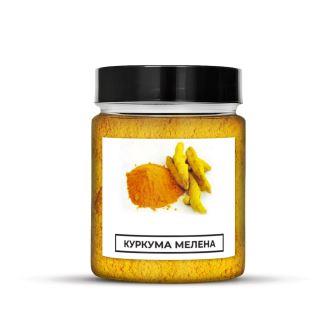
CraftOil also offers dried garlic, curly and golden flax seeds, flaxseed oil, pumpkin seed oil, pumpkin seeds in their shells, Styrian pumpkin seeds, and other products.
For more information about our products or to place an order, simply submit an inquiry through the website and wait for our managers to get in touch.


