


 +38 068 277 99 23



The last winter month is not yet the end of colony overwintering, although depending on the weather, some signs of activity may already appear. The queen begins laying her first eggs, and the colony feeds her more intensively. The sounds produced by the winter cluster become louder, and the temperature inside the hive can reach up to 35°C (sometimes slightly higher).
As bee activity increases, colonies naturally require more food. Beekeepers’ opinions differ on this matter. Some believe that supplemental feeding is necessary, while others argue that in natural conditions bee colonies do not have additional food sources and are therefore capable of surviving without extra feeding.
Should you feed bees at the end of winter?
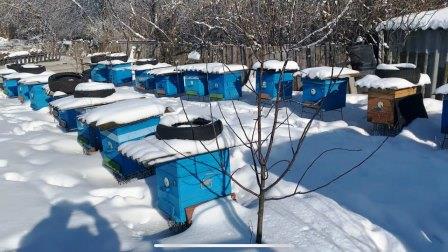
February is a rather risky period for bees, as the likelihood of various diseases increases. More intensive feeding may cause the insects’ intestines to become overloaded, potentially leading to diarrhea. However, this typically occurs only in weakened individuals or those infected with nosematosis or paratyphoid. In such cases, bees may die even before the first cleansing flight.
Another source of danger for the colony is honeydew honey stored in the combs and consumed throughout the winter.
Late-winter feeding with sugar syrup is one way to address food shortages. The challenge is that liquid feed often increases bee activity, which may prompt them to attempt an early cleansing flight. Sugar syrup can be given starting from the third week of February if an early and warm spring is forecast. Otherwise, it is better to refrain from feeding, as sugar tends to crystallize quickly and become unsuitable for bees. Moreover, it contains virtually no protein and lacks other essential nutrients required for normal bee development.
If feeding is necessary, approximately 80 grams of sugar syrup per colony should be provided daily. At the same time, it is crucial to carefully inspect hives for the amount and condition of dead bees (winter losses).
Other february apiary tasks
In addition to feeding, from the second half of February until early March, beekeepers perform several important tasks:
- Increasing hive ventilation to ensure gradual and smooth colony awakening;
- Checking hive bottoms for bee droppings;
- Removing frames with fermented or spoiled honey to prevent poisoning;
- Transferring colonies into clean, dry hives if their winter hives are heavily soiled or moldy;
All these measures are aimed at preparing colonies for the upcoming beekeeping season. Proper winter bee care directly affects how strong and active colonies will be in spring, how intensively they collect valuable nectar, and ultimately the quality of the honey produced. It is well known that only healthy bees can produce high-quality honey.
Another factor influencing honey quality is the equipment used for extraction. The best honey extractors are made of food-grade stainless steel, as they do not oxidize raw «live» honey and do not cause foaming during the extraction process.
Certified CraftOil honey extractors
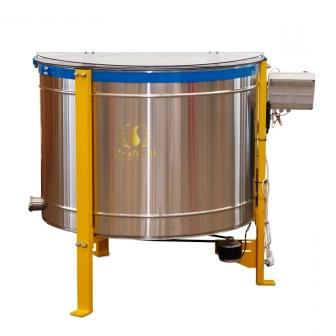
The company CraftOil offers an excellent and constantly expanding range of beekeeping supplies. Our catalog always features certified automatic honey extractors compatible with all frame types (including custom-made frames) and equipped with multiple operating programs.
Models such as MR-28n 12/220V, MK-4 (300 mm), MK9 (230 mm), and MRK-48/6 cassette (300 mm) carefully extract valuable bee products without requiring operator involvement or supervision, significantly simplifying the honey harvesting process.
CraftOil also offers a wide selection of polyurethane foam (PPU) hives that provide colonies with optimal overwintering conditions while requiring minimal maintenance.
In addition, our website features a broad assortment of raw oils, grains, seeds, and flour produced at our own mills. To learn more about our products or select professional beekeeping equipment, please submit a request on our website.


