


 +38 068 277 99 23



Omega-3 fatty acids are a group of essential unsaturated fats vital for human health. The body cannot produce them naturally, so they must be obtained from food — such as certain types of fish, flax seeds, flaxseed oil, and other plant-based oils.
In recent years, omega-3 deficiency has become a widespread issue. People increasingly report symptoms such as fatigue, apathy, metabolic disorders, dry and dull skin, and even increased sensitivity to light. Medical tests often reveal not vitamin deficiency, but a lack of essential unsaturated fatty acids.
According to a new report from Dutch agricultural experts at Rabobank, a leading cooperative bank specializing in agribusiness, the severe global shortage of omega-3s could stimulate increased flax cultivation.
Rabobank report: growth prospects for the flax industry

The Rabobank report notes that currently, more than 90% of all fishmeal and 70% of fish oil produced worldwide are used in aquaculture. These are the primary sources of marine omega-3 fatty acids.
However, experts predict that fishmeal shortages could begin as soon as 2028, while fish oil supply is expected to reach a critical deficit within the next decade.
The bank’s research division, RaboResearch, found that the growing global demand for fish and seafood is no longer sustainable with current ocean resources. Fish catches are declining due to climate change and El Niño events — abnormal warming of the Pacific Ocean’s surface waters.
The production of nutritional supplements (omega-3 capsules) and animal feed requires far more fish oil than can currently be extracted. Since 2013, global consumption has doubled — and continues to grow.
By the end of this year, the projected global deficit of fish oil will reach around 20,000 tons. Analysts believe the aquaculture industry will have to seek alternative sources of essential fatty acids, and one of the most promising options is flax (Linum usitatissimum) — an oilseed crop rich in alpha-linolenic acid (ALA), the main plant-based form of omega-3.
The rising demand for omega-3 will drive a steady increase in global demand for flax seeds and flaxseed oil, making flax cultivation and processing highly profitable for farmers and agribusinesses.
Unrefined cold-pressed flaxseed oil is known as one of the world’s richest sources of alpha-linolenic acid (ALA) — the key component of omega-3. High-quality flaxseed oil can contain up to 50–60% ALA, making it one of the most concentrated plant-based omega-3 sources globally.
Organic flax and cold-pressed flaxseed oil by CraftOil – natural sources of omega-3
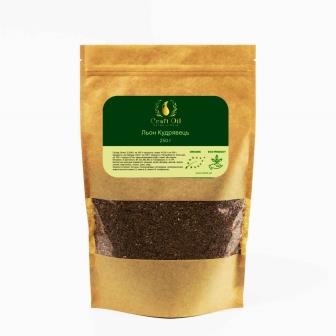
CraftOil, a manufacturer of artisan cold-pressed vegetable oils, offers 100% natural, eco-friendly, and delicious flaxseed oil, as well as certified organic flax seeds (white/golden and curly varieties).
Our oil is pressed only after your order is placed, ensuring maximum freshness. We deliver in dark glass bottles, tightly sealed using professional equipment, to any location across Ukraine and Europe. We guarantee freshness, purity, and premium quality.
CraftOil flax seeds are grown in ecologically clean regions, without preservatives, and stored under ideal conditions. They are suitable for consumption, sprouting (microgreens), or cold-pressing into «live» oil.
Want to learn more about our organic flax products? Simply leave a request on our website — we’ll contact you soon, answer all your questions, and help you choose the perfect omega-3-rich flax oil or seeds that you’ll truly enjoy.


