


 +38 068 277 99 23



The efficiency of honey production directly depends on the bees’ forage base — the quality and quantity of nectar collected by these hardworking insects. That’s why many beekeepers deliberately plant honey plants near the apiary. With the right approach, this can increase honey yields by 2–3 times.
In addition, the bees’ diet influences the aroma, color, taste, and medicinal properties of honey, as well as its botanical origin. The more diverse the pollen sources, the stronger the bees’ immunity and overall health.
Another major advantage of planting nectar-rich plants near your bee yard is ensuring a continuous nectar flow. Since different plants bloom at different times, they create a «nectar conveyor», eliminating periods with no honey flow. In simple terms, bees can collect nectar without interruption.
What plants are good to grow near an apiary
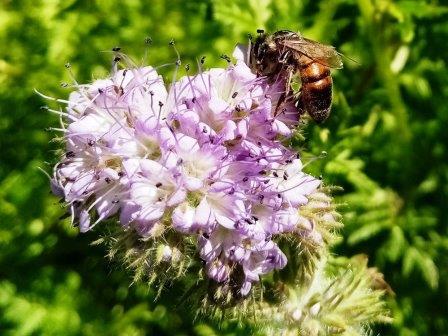
Honey plants are crops rich in pollen and floral nectar, which bees collect and convert into honey, bee bread (perga) and other bee products.
The following low-maintenance, high-nectar plants are excellent for supporting bee colonies:
- Phacelia tanacetifolia (Lacy Phacelia) – a tall annual plant (up to 70 cm) with large curled inflorescences. Each flower blooms for about 2 days, but since they open gradually, the total flowering period lasts up to 50 days. One of the best nectar plants for bees;
- Mallow (Malva species) – includes annual and perennial varieties with relatively late blooming periods. These plants are valuable not only for abundant pollen but also for feeding bees when most other plants have already finished flowering. Top varieties include Mauritian, Neglected, and Curly mallow;
- Sweet Reseda (Reseda odorata) – an annual plant that blooms in late summer to early autumn. It produces large amounts of colorless but highly nutritious nectar in its flower clusters;
- Borage (Borago officinalis) – also known as starflower or bee bread plant. This annual is prized for its long flowering season, from early June through September, making it a reliable bee forage plant;
- Viper’s Bugloss (Echium vulgare) – a biennial plant with an exceptionally high nectar yield — up to 400 kg of honey per hectare. Bees can produce up to 6 kg of honey per colony per day from it, making it one of the most productive honey crops for beekeeping;
While a strong forage base is essential, it’s not the only factor affecting honey yield and nectar quality. To maximize productivity during the beekeeping season, it’s important to monitor bee health, expand hives in time, prepare the strongest colonies for the main honey flow and ensure enough space and optimal hive microclimate.
Modern polyurethane foam (PUF) hives are among the most convenient and easy-to-maintain solutions for beekeepers.
Comfortable PUF hives by CraftOil – a key to efficient beekeeping
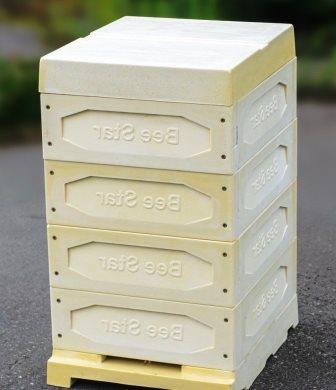
CraftOil offers a wide range of durable and practical PUF beehives, as well as hive bodies, roofs, and bottoms. Available options include: Dadant hive body (300 mm), Langstroth (Ruta) hive body (230 mm), 10-frame hive bottom boards, 10-frame PUF hives (300 mm and 145 mm) and other.
These beehives resist mold and moisture, do not deform when exposed to water, withstand sunlight without damage, require minimal maintenance. There are lightweight, making them ideal for mobile beekeeping.
CraftOil also offers a premium selection of cold-pressed natural oils, including: flaxseed oil, poppy seed oil, black seed oil, milk thistle oil, sweet almond oil and other. These products are known for their positive effects on health and overall well-being.
Want to learn more or place an order? Visit our website and leave a request — we’ll be happy to help you choose the best products for your needs.


