


 +38 068 277 99 23




The brain is one of the most important organs in the human body. Its proper functioning affects our health, well-being, cognitive abilities, and emotional state. It is often compared to a high-performance computer that manages a complex system 24/7 and controls virtually every process in the body.
Our diet has a direct impact on cognitive function, memory, concentration, and other aspects of brain health. For this reason, the MIND diet, also known as the «smart diet», has been gaining popularity as a scientifically based approach to meal planning and food selection.
What Is the MIND diet and what makes it different?

The term MIND is an acronym for «Mediterranean-DASH Intervention for Neurodegenerative Delay». The dietary pattern was developed by researchers and physicians at Rush University in the United States. It combines key principles of the Mediterranean diet with the DASH (Dietary Approaches to Stop Hypertension) diet, which is widely recommended for people with high blood pressure.
The key principle of the MIND diet is to create a structured weekly meal plan specifying which foods should be consumed and how often. Research published this year in ScienceDaily suggests that following a MIND-style eating pattern may help slow the loss of gray matter in the brain and, in this sense, support brain health as we age.
How to eat according to the MIND diet
The main idea behind the MIND diet is not strict calorie restriction or starvation. Instead, it focuses on regularly eating nutrient-rich foods that support the central nervous system and overall brain health.
People following the MIND diet are encouraged to include the following foods in their everyday diet:
- Leafy green vegetables, especially spinach, arugula, kale, and lettuce. Approximately six servings per week can provide lutein, a carotenoid associated with brain health and the preservation of neural connections;
- Berries, particularly strawberries, blueberries, and cranberries. Eating a handful of berries every three to four days provides flavonoids and other plant compounds that may support brain health and help protect against cellular damage;
- Nuts and legumes, including almonds, walnuts, soybeans, and lentils. Around three servings per week provide healthy fats, protein, vitamins, minerals, and other nutrients important for maintaining the protective myelin sheaths surrounding nerve fibers and supporting efficient nerve signaling;
- Extra-virgin olive oil is one of the key sources of healthy fat in the MIND diet. It contains oleocanthal, a naturally occurring compound that has anti-inflammatory properties. Regular consumption of olive oil may help reduce oxidative stress, which can negatively affect the body and brain;
- Whole grains, particularly buckwheat, oats, and brown rice. Consuming whole grains regularly provides dietary fiber. When fiber is processed by beneficial gut bacteria, they produce compounds such as butyrate, which may help regulate systemic inflammation and support brain health.
- Flaxseed oil and fatty fish are sources of omega-3 fatty acids. These essential fats are important for cardiovascular and brain health and may help maintain healthy cholesterol levels and blood vessel function, including circulation to the brain;
The MIND diet also recommends limiting certain foods. In particular, red meat should be consumed no more than four times per week. Daily butter consumption should be limited to approximately one tablespoon, while full-fat or hard cheeses should be eaten no more than once every six to seven days.
It is also best to limit burgers, hot dogs, other fast food, and fried potatoes, ideally consuming them no more than once every seven to eight days. Small amounts of sweet baked goods and pastries, however, can be included occasionally and in moderation.
CraftOil products for brain and nervous system health
CraftOil offers a wide selection of natural, organic, and traditionally crafted products. Our catalog includes fresh, aromatic, and delicious flaxseed oil, cold-pressed in-house from environmentally clean flax seeds, as well as walnuts, almonds, and many other products.
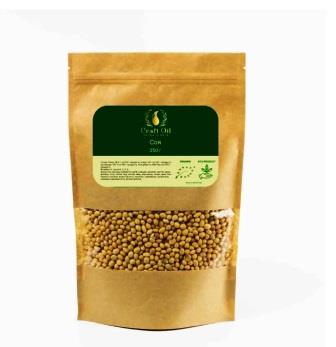
To explore our range in more detail or find products for yourself, your family, or loved ones, simply submit an inquiry through our website.


