


 +38 068 277 99 23


Paprika, black pepper, allspice, and white pepper are among the most popular and traditionally used spices in cooking. They enhance the aroma of dishes and add a spicy, sometimes hot, flavor. In recent years, pink pepper has become increasingly popular and sought after. It has a distinctive minty-anise aroma and a slightly tart, almost cranberry-like flavor.
Pink peppercorns pair exceptionally well with poultry, vegetables, various types of meat, and freshwater fish. They can be added to a wide range of gravies, as well as sweet-and-sour sauces and marinades.
Interestingly, despite its name, pink pepper is not actually a true pepper. What is commonly sold as pink peppercorns is the dried fruit of a Brazilian tree-like plant called Schinus, a close relative of members of the Anacardiaceae (cashew) family, including cashews, pistachios, and mangoes.
Interesting facts about pink pepper
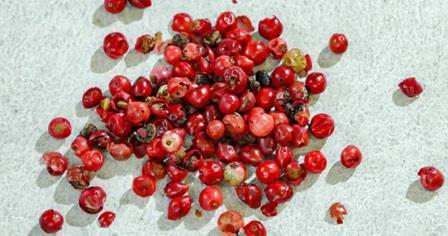
The Schinus tree is native to South and Central America, as well as Brazil and Peru, where indigenous peoples have used pink peppercorns in cooking for centuries. The first known written reference to this spice appears in the book Chronicle of Peru, dating back to 1553.
Dried Schinus berries have almost no aroma. Their characteristic fragrance develops when the berries are crushed or ground.
Unlike «true» peppers, pink peppercorns are almost completely non-hot. Their flavor is primarily tart, with subtle sweet notes and a spicy, aromatic finish.
Pink pepper berries are also used in the perfume industry. They are included in perfumes and eau de toilette compositions featuring fresh, cool, minty notes.
Pink pepper is also an ingredient in many spice blends, including «four pepper» blends and universal seasoning mixes for meat and fish.
There are two main Schinus species commonly associated with pink pepper:
- Peruvian pepper tree (Schinus molle) — the most widespread species, also known as the Peruvian pepper tree;
- Brazilian pepper tree (Schinus terebinthifolia) — also known as the Brazilian pepper tree;
Their berries are very similar in terms of aroma, flavor, and physicochemical composition. Both plants belong to the large Anacardiaceae family.
Pink pepper benefits and how to use it
Unlike black pepper, dried Schinus berries do not contain piperine. Instead, they are rich in monoterpenes and essential oils, including limonene, cineole, carvacrol, and alpha-phellandrene, which are associated with antiseptic and antibacterial properties. Pink pepper also contains tannins that may stimulate gastric juice production and support the intestinal microflora.
Like any other spice, pink pepper should be consumed in moderation. For adults, a typical daily serving is around 6–8 peppercorns, depending on body weight.
Children under 12, pregnant women, and breastfeeding women are generally advised to avoid pink pepper temporarily. It should also be excluded from the diet during exacerbations of gastrointestinal or gallbladder conditions.
People with food allergies should consume Schinus berries with particular caution, as their outer layer contains cardanols, highly active compounds that can act as potent allergens.
How and what to eat pink pepper with
Pink peppercorns are an excellent way to enhance the flavor of fresh berries and fruit. Crushed pink peppercorns can be sprinkled over sweet salads and desserts, such as mixed fruit and berry assortments.
This spice can be added to dry marinades for freshwater fish, chicken, and pork. It can also be added directly to meat and fish dishes, but preferably no more than 15–20 minutes before the food is ready.
Prolonged heat treatment causes Schinus berries to lose their pleasant tartness and fresh aroma and can make them noticeably bitter.
CraftOil organic pink pepper — a spice for true culinary creations
CraftOil offers an excellent selection of carefully crafted food products. Our catalog features 100% natural, environmentally friendly pink peppercorns that have not been treated with preservatives and are stored under ideal conditions.
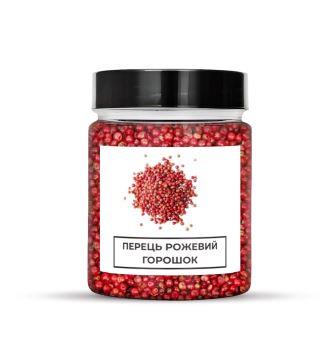
At CraftOil, you can also find black pepper and allspice, both ground and whole, as well as universal meat seasoning, «Caucasian Shashlik» seasoning, «Turkish Kebab» seasoning, and many other spice blends.
To explore our full range of products in more detail, simply submit a request through our website.


