


 +38 068 277 99 23



There are not just one or two, but at least several dozen types of oils. Sunflower, corn, olive, and many other oils are well known and widely used not only in cooking but also in traditional medicine and home cosmetics. They are characterized by a rich vitamin and mineral profile and an abundance of omega fatty acids, which are essential for normal, healthy metabolism and support of the endocrine, excretory, and other body systems.
A less familiar but equally valuable product is microalgae oil, which appeared in the 2000s and has been rapidly gaining popularity ever since.
What is algae oil and what are its benefits?
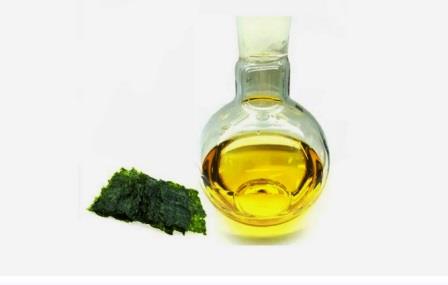
omega-3 unsaturated fatty acids precisely because their diet consists mainly of aquatic plants. Oil extracted directly from microalgae is more environmentally friendly and is easier for the human body to absorb.
Its main value lies in the fact that it is one of the best sources of docosahexaenoic acid (DHA) and eicosapentaenoic acid (EPA). Unlike fish oil, however, it does not contain heavy metal salts or residual microplastic particles. The omega-3 group in this type of fat is presented in the form of glycolipids — highly active compounds with excellent absorption properties. They are fully absorbed and therefore provide maximum benefits for the human body. This is especially important for children and people with gallbladder disorders or related health conditions.
Microalgae oil can be consumed in its pure form and/or used for cooking. It has a neutral taste and a high smoke point, making it suitable for frying, stewing, baking, as well as dressing salads and side dishes.
Perhaps the only disadvantage of microalgae oil is its limited availability and high cost, which are explained by the complexity of its production technology. Aquatic microorganisms are cultivated artificially, then collected and dehydrated using flocculants or a centrifuge. After that, they undergo additional drying, treatment with special enzymes (to improve oil extraction), and finally the extraction process.
An excellent alternative to microalgae oil is raw flaxseed oil — a «living», 100% natural product rich in omega-3 fatty acids and fat-soluble vitamins A and E.
Unlike algae oil, flaxseed oil can realistically be produced at home. All you need is a special press, a barrel (press mold), and raw materials — organic flax seeds.
CraftOil oil-making equipment and products
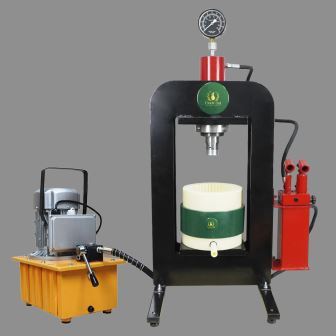
CraftOil offers a wide and regularly expanding range of products for home and commercial oil production. Our catalog always includes certified oil presses for household and business purposes, featuring a 1-year warranty and complete equipment needed for operation.
The 20-ton channel steel press, 20-ton plate press, collapsible 30-ton hydraulic press, 30-ton channel press, and paired 30/30-ton press are ideal for those who want to make flaxseed oil for themselves and their families. They are compact while remaining powerful and productive.
The 50-ton plate press, paired 50/50-ton press, as well as the 70-ton Austrian press, are designed for those who want to turn vegetable oil production into a profitable and promising business.
CraftOil also allows customers to quickly find environmentally friendly flax seeds (curly flax and golden flax) that have not been treated with preservatives. They are perfect not only for oil extraction but also for culinary and phytotherapeutic purposes. To learn more about how to use them and what benefits they provide, simply submit a request on our website.


