


 +38 068 277 99 23



The production of environmentally friendly fuel has become one of the most important and promising sectors of the global industry in recent years. The use of clean energy solutions helps significantly reduce greenhouse gas emissions, decrease dependence on fossil fuels, and promote the efficient recycling of waste materials. Instead of polluting the planet with discarded used vegetable oils and fats, these resources can be converted into biodiesel fuel capable of replacing many petroleum-based products.
Features of biodiesel production from used vegetable oils
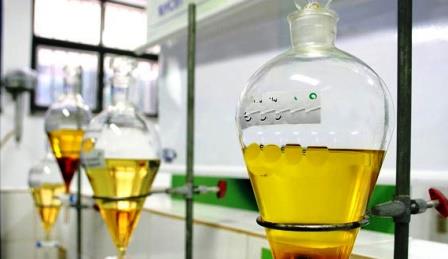
Almost all vegetable and animal fats can be used to produce environmentally friendly fuel to some extent. However, the following oils are considered the most suitable for biodiesel production:
- Rapeseed oil (mainly used in Europe). It has an excellent balance of fatty acids, which ensures easy engine starting even in cold weather conditions;
- Soybean oil (primarily used in the United States). It is one of the most popular and widely available raw materials. However, it requires thorough purification from wax-like compounds before being converted into fuel;
- Sunflower oil and corn oil. Both are easy to process and provide a high biodiesel yield;
To produce eco-friendly diesel fuel, manufacturers use waste vegetable oils that are no longer suitable for cooking, cosmetics, or medical applications (for example, used frying oil). First, the oil is carefully filtered to remove food particles and micro-impurities. Then it is mixed with methanol and a catalyst, most commonly caustic soda (sodium hydroxide).
The mixture is heated to approximately 60°C (140°F) while being continuously stirred. This process allows the triglyceride molecules to break down.
After processing, the mixture is left to settle and separates into two layers. The upper layer becomes biodiesel, while the lower layer contains glycerin, which is traditionally used in the production of cosmetics and soap.
The final stage is purification. The fuel is separated from alcohol and alkaline residues through hydroprocessing technology (HVO – Hydrotreated Vegetable Oil processing).
Biodiesel is not only a renewable fuel, but also a biodegradable energy source that does not require harmful additives or components that increase the risk of ignition. It is produced specifically from used vegetable oil, because using fresh edible oils for fuel production is economically inefficient.
Reusing waste oils for cooking or other household purposes is impossible because they may contain trans fats — carcinogenic compounds that can trigger inflammatory processes in the human body and increase the risk of developing serious health conditions.
For culinary and wellness purposes, only fresh, raw oils obtained from plant materials through cold pressing technology are suitable.
CraftOil cold-pressed oils – natural products for beauty and health
CraftOil offers an impressive and regularly updated selection of raw, 100% natural cold-pressed vegetable oils. Our oils are produced on certified equipment from environmentally clean grains, nuts, and seeds of various plant species.
We press our oils on the day the customer places an order, immediately bottle them in dark glass containers, vacuum-seal them to prevent oxidation, securely close the packaging, and quickly deliver products throughout Ukraine and worldwide. Hemp oil, poppy seed oil, walnut oil, chia oil, sunflower oil, corn oil, and other natural oils are perfect for cooking, supporting overall wellness, and performing home beauty treatments.
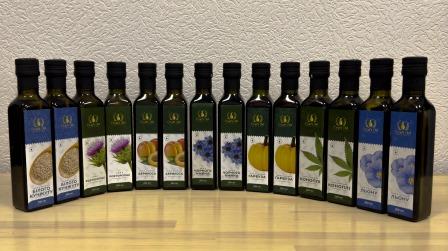
CraftOil also offers an excellent selection of spices and seasonings, including svan salt, black salt, dried dill, dried parsley, coriander, fenugreek and more. To learn more about our products and choose the right cold-pressed oil or natural seasoning, simply submit a request on our website.


