


 +38 068 277 99 23


Dry skin on the hands and feet is a fairly common and, at first glance, harmless condition. However, in reality, besides the unpleasant feeling of tightness, roughness, and the appearance of cracks, this symptom may indicate serious health issues and the need for proper treatment.
Like many other health problems, excessive skin dryness is most effectively addressed from the inside, by eliminating the root cause rather than just dealing with the consequences. Therefore, it is important to understand why the epidermis becomes dehydrated and what this condition may indicate.
Causes of dry skin on hands and feet
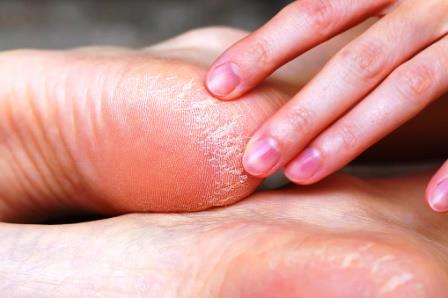
In medicine, dry skin is referred to as xerosis. The upper and lower extremities are the areas most susceptible to it. There are many causes of this condition, including the negative effects of cold weather, excessively hot or dry air, contact with abrasive detergents and household chemicals, as well as the use of poor-quality or incorrectly selected cosmetics.
If creams, balms, masks, and other skincare products do not help at all, xerosis may be related to carbohydrate metabolism disorders. In particular, prediabetes and diabetes can remain almost asymptomatic for a long time, with dry skin and itching being the only noticeable signs. These symptoms are often mistakenly perceived as simple moisture deficiency.
For women, dry and cracked skin on the hands and/or feet may indicate postmenopausal estrogen deficiency. When estradiol levels decrease, the epidermis becomes less elastic because collagen fiber production slows down. As a result, the skin may feel fragile, and a kind of dry mesh pattern appears on its surface — a condition cosmetologists often call the “parchment skin effect.”
Another possible cause of xerosis is thyroid dysfunction. For example, hypothyroidism (including subclinical hypothyroidism) can develop almost without symptoms. In some cases, dry palms and feet may be one of the few signs pointing to this disorder.
Sometimes dryness of certain areas of the skin (including the limbs) may indicate contact allergies. These can be triggered by many factors, such as nickel-containing cookware, cosmetics with surfactants, fragrances, and artificial scents, or the consumption of foods containing preservatives.
Without identifying the exact cause of xerosis, it is impossible to eliminate it completely. However, natural vegetable oils can become an excellent and effective supportive remedy for maintaining healthy and beautiful skin.
If dryness is caused by external factors, flaxseed oil, hemp oil, apricot oil, almond oil, pumpkin seed oil, and other natural oils can help relieve the unpleasant symptoms of moisture deficiency in the epidermis. It is important to note that only raw (unrefined) oils rich in unsaturated fatty acids, especially omega-3, provide these beneficial effects.
These acids help strengthen cell membranes and prevent moisture loss in the skin. They also participate in lipid metabolism and stimulate collagen fiber production, making the epidermis more elastic, smooth, and resilient.
CraftOil raw oils – natural solutions for healthy skin
The CraftOil company offers an excellent and regularly updated range of valuable «live» raw oils. They are produced from environmentally friendly, carefully selected raw materials such as grains, seeds, and nuts using specialized equipment — certified presses with unique barrels made of wood or polymer.
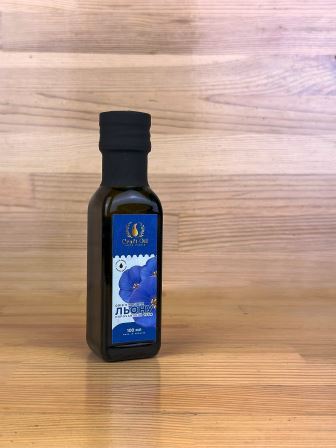
Our flaxseed oil, corn oil, almond oil, pumpkin seed oil, milk thistle oil, castor oil, and other products are natural, raw oils that do not contain preservatives, artificial colors, or other chemicals.
To learn more about their health benefits or to choose the right oil according to your body’s needs, simply leave a request on our website.


