


 +38 068 277 99 23



The life of a bee colony inside a beehive is nothing like that of these hardworking insects in the wild. For the health of the bees, it is crucial to maintain an optimal microclimate inside their «home» — avoiding excessively high or low temperatures and preventing excessive moisture.
How bees regulate the microclimate
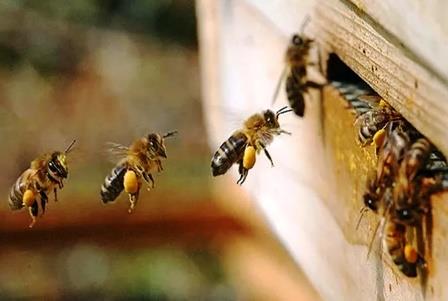
Bees are truly remarkable insects. They have learned to care for their nest and maintain exactly the conditions they need for survival. The colony regulates temperature, ventilation, and humidity on its own.
For example, the family generates heat by consuming more honey, which accelerates their metabolism. When there is no brood in the hive and the temperature drops to +14 °C, bees cluster between the combs, forming what beekeepers call a winter cluster. Inside it, even in winter, the temperature stays between +14 and +28 °C. The colder it gets outside (or in the wintering location), the tighter the cluster becomes — and the warmer it gets between the combs.
When raising brood, bees maintain a stable temperature of +34–35 °C near it. The cooler it is around the comb, the more energy they spend to keep this optimal beehive temperature.
Humidity is another key factor affecting the health and vitality of the bee colony. It can vary widely. In early spring and autumn, when nectar flow is minimal, it is usually 76–91%, but during the main honey flow it does not exceed 66%, and can even be lower at certain times.
In winter, excess moisture in the air can cause the hive to become saturated with water vapor, which may lead to the death of most or all of the colony. That’s why hives should not be placed near ponds or marshy areas during wintering. They should be inspected from time to time for signs of mold or dampness.
Even though bees are less active in cold weather, they still need oxygen — so entrance reducers should never be completely closed in winter.
Maintaining an ideal microclimate inside the hive is a complex task with many nuances. The quality of the «bee home» and the materials it is made from play a crucial role. The most practical and low-maintenance option is PU (polyurethane) beehives — an inert, certified material for beekeeping, resistant to moisture and sudden temperature changes.
Practical polyurethane beehives by CraftOil – the foundation of successful beekeeping
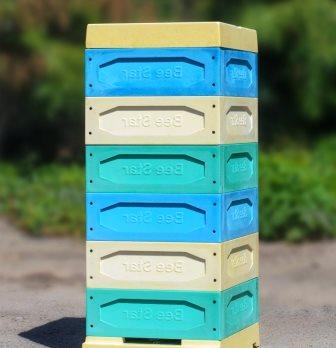
CraftOil — a producer of not only fragrant, delicious, and healthy plant oils but also a wide range of beekeeping products and equipment. It offers durable, easy-to-use polyurethane hives of different capacities.
Our PU beehive 10-frame 300 mm, PU beehive 10-frame 145 mm, PU beehive 10-frame 230 mm, and others do not absorb moisture, even in high-humidity conditions. Inside, there is no mold harmful to bees. Plus, these hives have excellent thermal insulation, meaning colonies winter more comfortably, wake earlier in spring, and start honey production sooner.
At CraftOil, you can also choose a certified honey extractor with the right capacity, order a honey settling and filtering tank, or get a frame uncapping machine. Our managers will gladly provide detailed advice. They help you choose the equipment that makes beekeeping easier and more efficient.


