


 +38 068 277 99 23



The way bees survive the winter directly affects their health and, consequently, honey production in the following season. Strong bee colonies that successfully endure cold weather collect more nectar, while weakened ones may die or fail to produce marketable honey. Therefore, it is essential to monitor temperature and humidity inside the beehive, regularly check food reserves, and inspect bees for signs of diseases, especially nosema disease (nosematosis).
Regular winter monitoring also helps to promptly identify and eliminate issues such as mold in beehives, excessive dead bees (bee mortality), and pests like mice.
When and how to inspect bees during winter
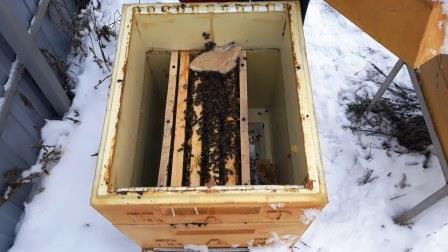
The optimal time for winter hive inspection is during moderately cold, dry weather with no strong wind. The hive should be opened quickly and as quietly as possible to determine the location of the winter cluster.
If the cluster is closer to the bottom, wintering is proceeding successfully. If it is located in the upper part of the hive, this indicates that food supplies are nearly exhausted, and additional feed or a honey frame should be added. Increased noise inside the hive may also signal hunger.
If mold is detected, immediate action is required: remove insulation and improve hive ventilation.
All inspections must be carried out under red light only, as white or natural light stimulates bees, causing them to awaken and attempt to leave the hive.
Another important factor is the amount of dead bees on the hive bottom. A small quantity is normal. However, if the bottom is heavily covered, dead bees should be removed with a scraper and examined. Wet bees indicate excessive humidity; under proper wintering conditions, dead bees should remain dry.
As outdoor temperatures rise, beehives can be moved at night to their regular seasonal locations. It is also recommended to replace hive bottoms with new ones and assess winter survival by examining debris left on the old bottoms.
Successful wintering largely depends on beehive quality. Today, polyurethane (PPU) beehives are considered among the most practical and comfortable options for bees. Polyurethane is an inert, non-toxic material with a service life of up to 50 years.
CraftOil polyurethane beehives – the ideal home for bees
CraftOil offers a wide range of PPU beehives in various sizes and capacities. They are made from certified polyurethane that is resistant to temperature fluctuations, moisture, and UV radiation. With extremely low thermal conductivity, CraftOil PPU beehives maintain a stable internal temperature and prevent excess humidity. As a result, bee colonies winter better and become active earlier in spring, increasing honey yields.
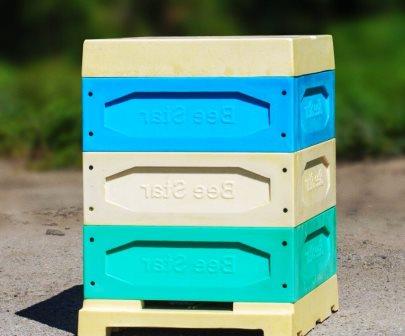
CraftOil offers: 10-frame PPU beehive (300 mm), 10-frame PPU beehive (145 mm), 10-frame Langstroth–Root PPU beehive (3 bodies) and frames, hive bottoms, and bodies for these and other beehives.
In addition to beekeeping equipment, our website features a wide selection of artisan food products, including cold-pressed vegetable oils, specialty flours, grains, seeds and nuts. Poppy seed oil, apricot kernel oil, almond oil, mustard oil, black cumin oil, and others are known for their rich flavor, aroma, and high vitamin and mineral content.
Flours made from hemp, flax, pumpkin seeds, milk thistle, and more are rich in fiber and low in fat. They are easily digestible and have a positive effect on the digestive, nervous, and excretory systems.
To learn more about our products or to choose the best beehives for your apiary, simply leave a request on our website and wait for a response from our managers.


