


 +38 068 277 99 23




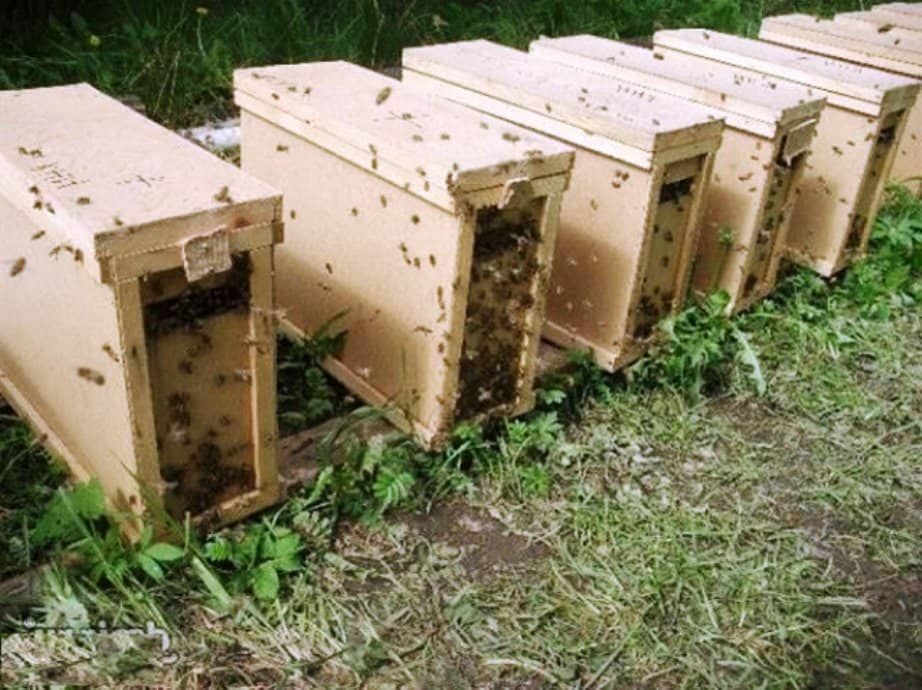
When establishing or expanding an apiary, you can purchase a honey bee colony, a natural swarm, or a bee package. A bee package is often a more convenient option for beginner beekeepers because introducing packaged bees to a new location generally involves fewer risks and challenges. However, before making a decision, it is worth understanding the key differences between a natural swarm and a bee package.
What is a bee package?
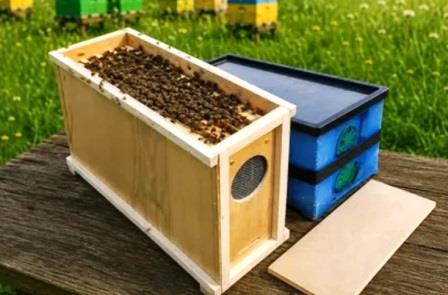
A bee package is a small group of young honey bees weighing up to 1.2 kg (approximately 2.6 lb), collected from different colonies. To prepare a package, beekeepers remove a certain number of bees from their hives and place them in a specially designed transport box. To keep the bees healthy and well supplied during transportation, the package is provided with an adequate amount of feed (approximately 3 kg or 6.6 lb) and at least two frames, usually of the Dadant type.
Essentially, a bee package is a small group of honey bees consisting primarily of nurse bees rather than forager bees. These are the young, in-hive bees that tend to brood and cover the frames. A bee package must also include one mated queen bee, preferably no older than two years.
Key differences between a bee package and a natural swarm
The main differences between a bee package and a natural swarm are as follows:
- Formation: A bee package is assembled by a beekeeper, whereas a natural swarm forms through the bees’ natural swarming process;
- Queen bee: A swarm may contain a young or older queen, and the queen’s mating status can vary. A properly prepared bee package includes a mated, egg-laying queen;
- Food supplies: A bee package is supplied with feed for transportation and initial establishment. A natural swarm travels light, carrying only the honey reserves stored in the bees’ honey stomachs. These reserves are generally sufficient for the first few days;
The popularity of bee packages has increased significantly in recent years. They have become a convenient way to establish new colonies for both beginner beekeepers and experienced apiarists looking to expand their operations.
One reason is that young bees are often less defensive during the initial stages of establishment and can adapt well to a new hive. A natural swarm, on the other hand, may abscond and leave the hive if conditions are unsuitable.
Among the most popular options are comb bee packages containing four frames, one mated queen, and slightly more than 1 kg (2.2 lb) of bees. Common bee varieties include Carpathian, Carniolan, and Buckfast bees.
Once the package arrives, the beekeeper’s main task is to prepare the hive and transfer the bees to their permanent home.
How to transfer packaged bees into a hive
Before installing a bee package, inspect the hive to make sure it is clean and structurally sound. Place it in its permanent location and position the bee package nearby or on top of the hive, following the package manufacturer’s instructions. Open the entrance of the package, allowing the bees to orient themselves and become familiar with the surrounding area.
Next, light a smoker and apply a small amount of smoke to help calm the bees. Then open the hive or remove its lid, depending on the hive design and how the frames are arranged. Position the package close to the hive to make transferring the bees easier.
Arrange the frames in the hive carefully. Place a food frame near one side, followed by the brood frames. Make sure the queen is safely accommodated among the colony’s frames and that the brood nest is arranged appropriately.
Polyurethane foam beehives are considered a practical option for many beekeepers. Made from a lightweight, durable material with good thermal insulation and moisture resistance, these hives can help bees maintain a stable internal microclimate throughout changing weather conditions.
CraftOil polyurethane beehives: a great choice for beginner and experienced beekeepers
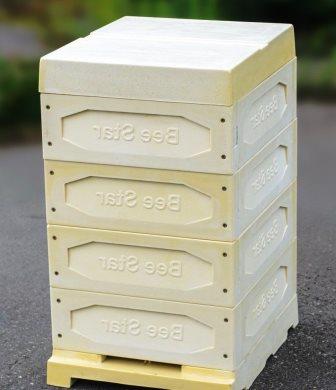
CraftOil offers a diverse and regularly updated range of beekeeping products and equipment. Our catalog includes certified beehives designed for different frame sizes, as well as compatible hive bottoms and bodies.
Our range includes a 10-frame polyurethane beehive for 230 mm frames, a 10-frame PU foam beehive for 145 mm frames, a 10-frame polyurethane hive for 300 mm frames, and other models. These polyurethane beehives offer resistance to temperature fluctuations, sunlight, and moisture. Their insulating properties help bees maintain a suitable internal climate, supporting colony health and activity.
CraftOil also offers a selection of high-quality natural carrier oils, cold-pressed from carefully selected raw materials using our own branded oil presses. To learn more about the benefits of our poppy seed oil, hazelnut oil, sesame oil, chia seed oil, milk thistle oil, dill oil, amaranth oil and other products, and to find the option that best suits your needs, submit an inquiry through our website.


