


 +38 068 277 99 23


Spirulina is one of the most popular plant-based superfoods, and its popularity has increased significantly in recent years. It is rich in easily digestible protein, vitamins, minerals, and unique biologically active compounds that are rarely found elsewhere. However, like any other product, spirulina should be consumed in the correct dosage, because excessive amounts of this blue-green unicellular cyanobacterium may negatively affect health.
Spirulina benefits and how to use it
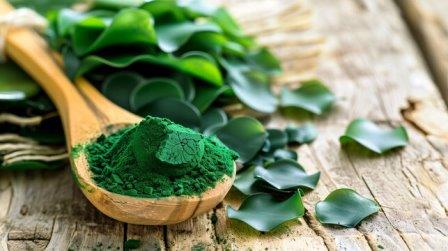
The value of spirulina for human health is based on its unique physicochemical composition. It contains the following beneficial compounds:
- Zeaxanthin – a plant-based carotenoid (xanthophyll) involved in maintaining eye health. It protects the eye macula from the damaging effects of ultraviolet radiation from the sun and blue light emitted by smartphone, tablet, and computer screens. A daily intake of 1–2 grams of this algae can fully cover the body’s daily need for zeaxanthin;
- Ergothioneine, also known as the «longevity vitamin» – a powerful cytoprotective compound that may help reduce the risk of cardiovascular diseases, certain cancers, and type 2 diabetes.
- Phycocyanin – a highly active antioxidant that helps protect the body from the harmful effects of free radicals;
- Omega-3 and Omega-6 fatty acids – unsaturated fatty acids that support a healthy blood lipid profile and help reduce levels of «bad» cholesterol. They also participate in lipid metabolism and may help prevent the accumulation of visceral (internal) fat.
- Iron (Ferrum) – an essential mineral required for the production of red blood cells, which transport oxygen and support oxygen supply to all organs and tissues;
However, as with many popular health products, there are some misconceptions about spirulina nutrition benefits. In particular, spirulina is often considered a rich source of vitamin B12, but in reality, approximately 83% of it is present in a so-called pseudo-vitamin form that is not absorbed by the body. This form does not provide health benefits and may even distort blood test results by creating falsely normal vitamin B12 levels.
The protein content of this cyanobacterium is also often overestimated. The body absorbs no more than one-third of spirulina protein. Therefore, the daily recommended amount covers only a very small percentage of the body’s protein requirements.
How to take spirulina
The recommended spirulina dosage for adults is usually 2–3 grams per day. It can be consumed in its pure form (preferably 30 minutes before meals) with water, or added to vegetable salads dressed with olive oil or unsweetened yogurt.
This algae also combines well with citrus juices and fruit drinks because the vitamin C they contain improves iron absorption.
It is not recommended to consume flaxseed oil and/or flax seeds together with spirulina. Flax products contain cyanides, while spirulina may contain cyanotoxins. Combined, these substances may create an excessive load on the liver and the body’s elimination system.
It is recommended to take spirulina supplements in courses of 3–4 weeks, followed by a break of at least 14 days. If necessary, the course can then be repeated.
For optimal results, it is beneficial to alternate spirulina with other plant-based superfoods, such as flaxseed oil, which is rich in omega-3 fatty acids, and walnuts or walnut oil, which contain omega-3, omega-6, omega-9 fatty acids, as well as iodine — a mineral essential for proper thyroid function.
It is also useful to include soybeans in your diet every few days. Soybeans are among the best sources of easily digestible plant protein and are rich in fiber, which supports healthy digestion.
CraftOil organic products – a foundation for health and well-being
CraftOil offers an excellent and regularly expanding selection of organic products. Our catalog always includes fresh flaxseed oil, aromatic walnut oil, walnut kernels and pieces, flax seeds of curly and golden varieties, soybeans and other natural superfoods.
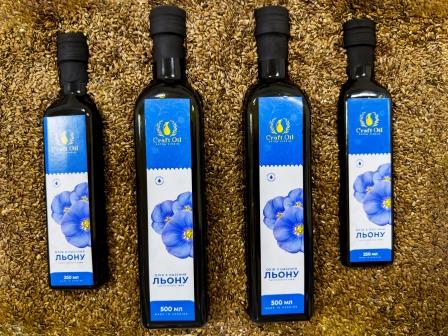
We produce our oils strictly on the day the order is placed using our own certified presses. The oil is immediately bottled in glass containers, vacuum-sealed, hermetically closed, and quickly shipped worldwide.
Our grains, seeds, and nuts are grown without agrochemicals, are not treated with preservatives, are stored under ideal conditions, and packaged in convenient paper bags according to customer orders.
To learn more about the health benefits of our products or to choose your personal superfood, leave a request on our website.


