


 +38 068 277 99 23



Myrtle is one of the most famous plants, a symbol of glory mentioned in many ancient Greek myths and legends. It was the Greeks who first invented extracting oil from its leaves. This oil was used as incense, cosmetics, and even medicine.
Health benefits of myrtle essential oil
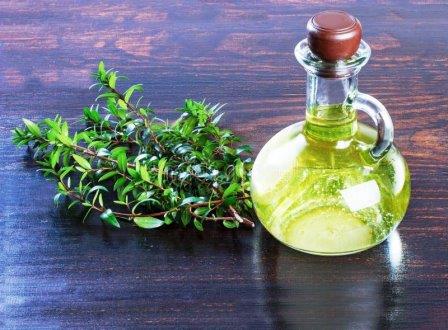
Myrtle essential oil has antiseptic, bactericidal, and other valuable properties, based on its rich chemical composition. It contains phenolic acids, tannins, several types of flavonoids, glycosides, and terpenes. In addition, the product is rich in bioactive monoterpenes, sesquiterpenes, and their derivatives.
Numerous scientific studies have proven its effectiveness in combating various serious conditions:
- In Castro, Italy (2011), researchers discovered the anti-inflammatory properties of myrtle oil, showing that it reduces the activity of myeloperoxidase, granulomas, and serum tumor necrosis factor alpha (tested on mice);
- In Ethiopia (2016), scientists analyzed its calming and relaxing effects. Oral administration in Swiss albino mice showed that myrtle oil itself does not directly affect the central nervous system but enhances the effect of Pentobarbital, increasing sleep duration and reducing sudden awakenings;
- In Turkey (2020), medical researchers Atik H., Bülbül T., Özdemir V., and Avci G. found that myrtle essential oil slows down oxidative processes observed in hypothyroidism (thyroid gland disorder);
Since ancient times, myrtle oil has been used to treat ulcers, festering wounds, and abrasions. It was also used to relieve headaches and added to cosmetics to preserve youth and beauty.
Interesting facts about myrtle
In Ancient Greece and Italy, myrtle was considered a sacred plant, believed to grow in the gardens of paradise. In Greek mythology, the goddess of beauty Aphrodite was sometimes called Myrtia.
In the UK, the tradition of decorating wedding halls and marriage registries with myrtle branches is still alive today. Myrtle symbolizes fidelity and eternal love.
How myrtle oil is made
Myrtle essential oil is a thick, viscous substance of dark yellow or greenish color. It has a strong, specific aroma with camphor, pine, and subtle sweet notes.
In the industry, myrtle oil is obtained by steam distillation of the leaves. The oil yield is only 0.3%, making the process long, labor-intensive, and technically complex.
At home, myrtle oil can be made by infusing its leaves and young shoots in a base oil without a strong odor. The quality of the base oil greatly influences the properties and benefits of the final product. For best results, the base oil should be homemade using a special press and barrel.
CraftOil – professional oil presses and raw materials
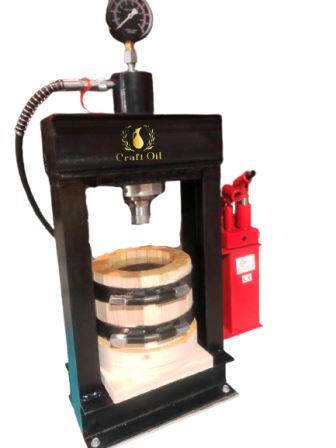
CraftOil produces delicious, aromatic, and highly beneficial cold-pressed oils. The company not only sells natural oils but also provides professional equipment for oil production.
In the catalog, you can find models of various capacity: 20-ton sheet press, 20-ton channel oil press, 30-ton hydraulic press, 50-ton hydraulic press combo. All CraftOil presses are easy to operate, require no special conditions, and ensure high-quality, pure, «living» oils from any raw material, even the most challenging ones.
Additionally, CraftOil offers raw ingredients such as amaranth, sweet almonds, chia seeds, mustard, sesame, and other grains and nuts, perfect for culinary purposes and oil pressing.
To learn more about the benefits and features of oil-making, visit the CraftOil website or contact the managers directly.


