


 +38 068 277 99 23



Soybeans, beans, peas, and others are well-known and widely popular representatives of the legume family. Meanwhile, mung beans — also known as green gram — remain undeservedly «in the shadows». This is unfortunate, as they form the foundation of Indian cuisine and, due to their high protein content, are considered, but full-fledged plant-based substitute for meat and poultry.
What are mung beans?
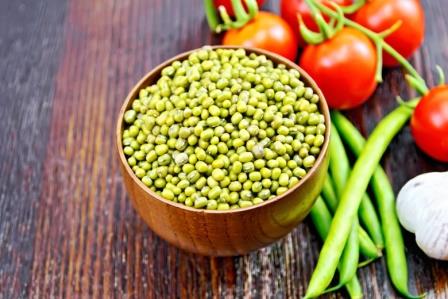
Mung beans (Latin name Vigna radiata) are one of the oldest agricultural crops, playing an important role for thousands of years not only in cooking but also in herbal medicine. The seeds of this plant are small green legumes with a mild, neutral taste and a subtle nutty aftertaste.
Mung beans are especially popular in Asia, particularly in countries such as Korea, China, and Thailand, as well as in parts of Africa. In recent years, interest in mung beans has grown significantly due to their eco-friendliness and impressive health benefits.
Health benefits of mung beans
Mung beans are rich in easily digestible plant protein (up to 50%), carbohydrates (up to 65%), fiber, and essential vitamins such as A, B1, B2, and folates. They are also a valuable source of minerals, including magnesium, iron, potassium, phosphorus, and zinc.
Additionally, mung beans contain phenolic acids and flavonoids that help protect the body from free radicals and slow down the aging process.
Despite their relatively high caloric value (up to 347 kcal per 100 g), mung beans are considered a diet-friendly product, suitable even for those aiming to lose weight.
How to use mung beans
Mung beans are one of the most versatile legumes. They can be boiled and added to stews, porridges, broths, and soups. In ground form, they are used for baking and traditional Indian dishes such as pakora (Indian noodles or fritters).
Sprouted mung beans are commonly added to salads and even smoothies. Mung bean microgreens are also a key ingredient in the popular Filipino dessert «Hopia».
In agriculture, mung beans are valued for their ability to enrich soil with nitrogen. They are often used as a cover crop to improve soil structure.
Traditional Chinese medicine has long recommended boiled mung beans for detoxification and for speeding up recovery after prolonged or serious illnesses.
What can replace mung beans?
It’s worth noting that mung beans are a heat-loving crop primarily grown in Asia, making them difficult to cultivate in temperate climates. In regions such as Ukraine, other legumes are better adapted, including various types of beans, peas, chickpeas, and soybeans.
Like mung beans, these legumes have a mild flavor, rich nutritional profiles, and high protein content. They are widely used in soups, main dishes, spreads, vegetable caviar, sauces, and more.
Soybeans by CraftOil – a great alternative to mung beans
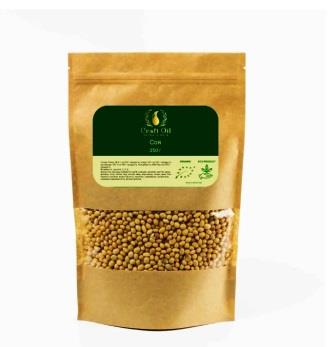
CraftOil offers an excellent and regularly updated selection of healthy products, including certified organic soybeans stored under optimal conditions. Their soybeans — as well as cumin, amaranth, chia, sesame, mustard, and more — are grown in environmentally clean regions, free from preservatives and packaged in eco-friendly kraft paper bags on the day of order.
They are ideal for culinary and herbal uses, as well as for producing high-quality cold-pressed oil.
Additionally, the CraftOil catalog allows you to easily order oil extraction equipment, including presses of various capacities with complete starter kits. To learn more about specifications or choose the right model, simply submit a request on the website.


