


 +38 068 277 99 23


Fenugreek, also known as methi, chaman, shambala, and helba, is a fairly popular culinary and medicinal plant from the legume family. It has a long history filled with interesting facts and a wide range of applications.
The first written references to fenugreek can be found in ancient Egyptian papyri dating back to around 1500 BC. The plant was used not only in cooking but also in traditional medicine. Decoctions made from fenugreek were used to treat wounds and promote faster healing, while an infusion was given to women in labor to help relieve the pain of contractions.
Health benefits of fenugreek
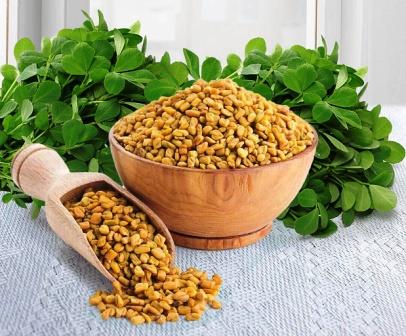
Fenugreek is a valuable source of vitamins, minerals, and other compounds that are important for human health. It contains:
- Vitamin C (ascorbic acid), which supports the immune system and has antioxidant properties;
- B vitamins (B1, B2, B3, B6, and B9), which help the body process fats and carbohydrates, especially complex carbohydrates that serve as a source of energy. B vitamins also play an important role in the proper functioning of the nervous system and brain and contribute to the production of red blood cells. A deficiency of certain B vitamins may contribute to anemia and reduced energy levels;
- Saponins – plant glycosides that have antioxidant and anti-inflammatory properties;
- Catechins, quercetin, and kaempferol – flavonoids that help neutralize the harmful effects of free radicals and may support cardiovascular health;
Fenugreek also contains a wide range of minerals, including potassium, iron, phosphorus, copper, selenium, zinc, manganese, and magnesium. These minerals are involved in numerous metabolic processes and are essential for the proper functioning of the body’s organs and systems.
Which dishes can You add fenugreek to?
Fenugreek seeds have a distinctive, rich nutty aroma with hints of caramel and toasted malt, largely associated with aromatic compounds such as sotolone. They are sometimes used in the production of semi-hard cheeses, including varieties such as Gouda and Seltener, to enhance their flavor and add a subtle, refined bitterness.
One great way to use fenugreek is to add ground fenugreek seeds to bread and other baked goods. The spice pairs particularly well with rye and buckwheat bread.
Fenugreek seeds are also an important ingredient in Indian curry spice blends and are traditionally used in a variety of rice dishes.
In the Caucasus and Armenia, ground fenugreek leaves and seeds are used when preparing and marinating basturma, a traditional cured meat.
In the Middle East and Egypt, fenugreek is used to prepare a beverage sometimes referred to as «yellow tea». Traditionally, this drink has been valued as a warming beverage and is often consumed during recovery after illness.
Fenugreek seeds pair particularly well with potatoes, leafy green vegetables (especially spinach), and mushrooms. You can add them to stews, country-style roasted potatoes, and other similar dishes.
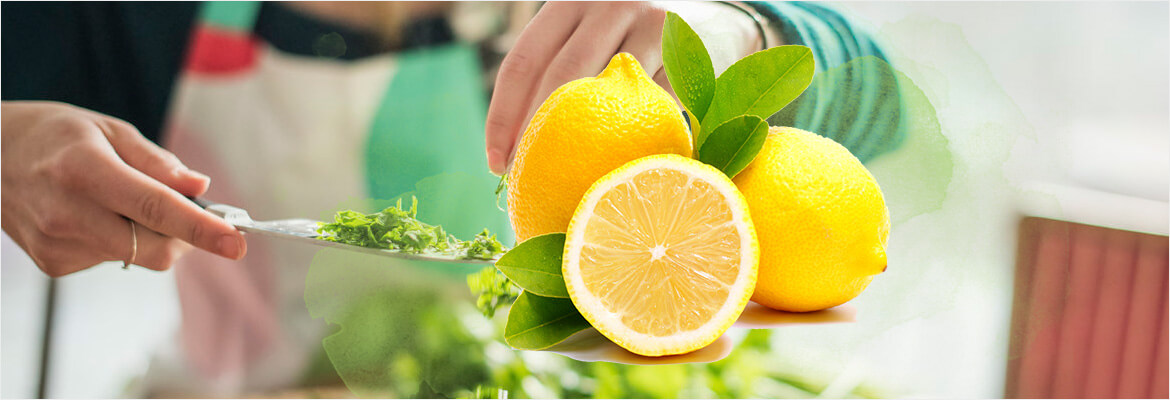
A mixture of young fenugreek shoots or ground fenugreek seeds combined with lemon juice and salt can also be used as a flavorful marinade for meat and many types of fish.
Organic CraftOil fenugreek – a flavorful spice for culinary creations
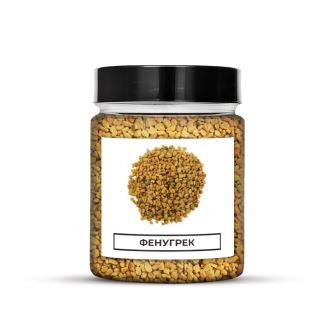
CraftOil offers an excellent selection of spices, dried herbs, and ready-made seasonings for meat, poultry, pork fat, and seafood. Our catalog includes high-quality fenugreek in both ground and whole-seed forms. The product is stored under optimal conditions and packed in plastic containers only after the customer places an order.
We guarantee premium-quality products and fast shipping to destinations throughout Ukraine and Europe.
CraftOil also offers dried mint, parsley, and dill, as well as coriander in both ground and whole-seed forms. Our range also includes «Turkish kebab», «Caucasian shashlik», and «Aromatic chicken with curry and ginger» seasonings.
To learn more about how to use these products and choose the spices and seasonings that best suit your cooking, send us an inquiry through our website.


